Categories
austin body shop

4 Factors to Consider When Selecting a Collision Center

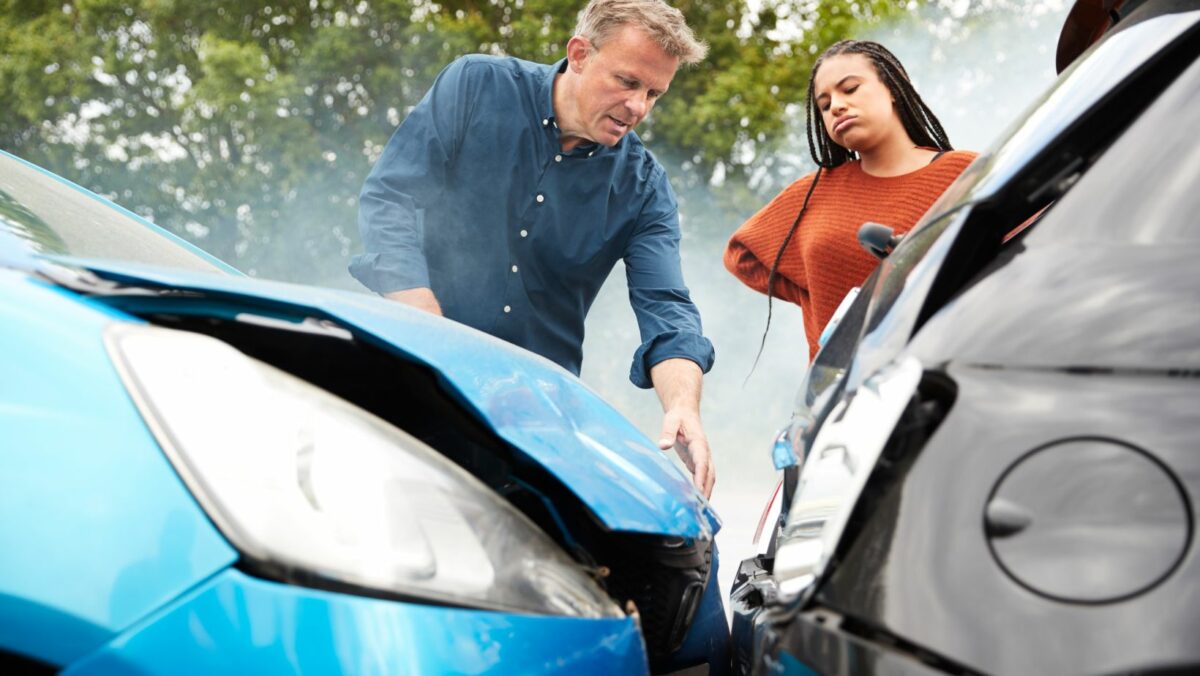
Being in an accident can be a traumatic and frightening experience. Even if there may have been substantial damage to your car, bringing it to a collision center is just the beginning. From police reports to insurance claims, frequent doctor appointments, and medical expenses, every step will require your time and attention to ensure that you are able to achieve a positive outcome.

During this time, one of the most important decisions that you will make is to choose a reliable and trusted collision center. Even though it might sound simple, finding the right collision center in Round Rock can have long-lasting implications. To make your search easier, we have compiled a list of four factors that you should consider in order to find the best collision center in Round Rock.

1.    Consolidators vs. Independent Shops

There is a big difference between the shops that have only a few locations and the auto repair shops that you see in every nook and corner of the city.

Compared to independent auto repair shops, consolidators charge more as the only thing that they care about is making profits. Although their business plan benefits them, in most cases, it is not always in the best interest of your vehicle. Unlike an independent shop, where there are limited technicians, and each has ownership, consolidators only care about fixing as many vehicles in a day as possible.

Simply put, the professionals at an independent collision center will invest their experience, knowledge, and time in providing you with the best services. On the other hand, even with the best equipment, the consolidators’ primary goal is to make money which can result in low-quality services.

In an independent shop, it is usually uncommon for the business owner to be available at the collision center throughout the day. Because of this, decision-making power is given to the management of the auto repair shop, including finalizing deals and helping customers. This ultimately saves you time and gets the job done efficiently.

2.    Warranty and Estimates

Not every collision center in Round Rock will offer a warranty on their work. Therefore, make sure that you ask the professionals at the auto repair shop beforehand whether they back their services with a warranty or not. Opt for a collision center in Round Rock that offers lifetime warranties on both paint and bodywork.

While you are on the call with the experts asking about their warranty, don’t forget to get a free estimate of the auto repair services you are planning to get. Make a list of all the services and costs offered by the auto body repair shop and compare them to find the one that suits your budget and needs.

Although it can be tempting to go for a collision center that offers cheap services, compromising on the quality of parts can result in damaging your vehicle and reducing its resale value. Also, ensure that the professionals have sufficient experience and are certified to provide the necessary services.

3.    OEM vs. Aftermarket Parts for Auto Body Repair

Whether the collision center in Round Rock uses OEM (Original Equipment Manufacturer) or aftermarket parts to repair can have a huge impact on the quality and life of your car. Unlike aftermarket parts which are locally produced, OEM parts are manufactured by the vehicle owner; they are 100% original, high quality, and offer the ability to provide seamless repairs.

OEM parts are patent, so they cannot be easily duplicated. Although aftermarket parts are somewhat similar and cheaper, they are unreliable and can cause malfunctions in the long run. Therefore, in order to ensure the protection of you and your loved ones, opt for an auto repair shop that only uses OEM parts to fix vehicles.

4.    Read Online Reviews

When a person is searching for an auto repair shop, the first thing that they do is ask a friend or family member for a recommendation. Past customers can help you in figuring out whether or not a collision center will provide you with the services that you are looking for and what to expect at the collision center in Round Rock. The easiest way to do this is to check the shop’s online reviews and ratings. Once you have finalized an auto repair shop, visit their website or give the experts a call to learn more about their services.

Contact Us Today with Your Questions

The best auto repair shops are the ones that have not only been in business for a long time, but they also prioritize customer service, use high-quality materials, and have affordable rates. Use the above-mentioned factors to find the most reliable and efficient collision center in Round Rock.
Categories
austin body shop

Certified Collision Repair in Austin, TX

A modern collision repair involves much more than straightening damaged metal and applying new paint. Vehicle structures now incorporate advanced steels, aluminum, electronics, cameras, radar sensors, and other systems that can affect how a vehicle must be inspected and repaired after an accident.

Covert Collision Center combines advanced repair equipment, ongoing technician training, and established collision repair procedures to help Austin drivers restore their vehicles after an accident. As an I-CAR Gold Class collision repair facility, our team continues training as vehicle technology and repair requirements evolve.

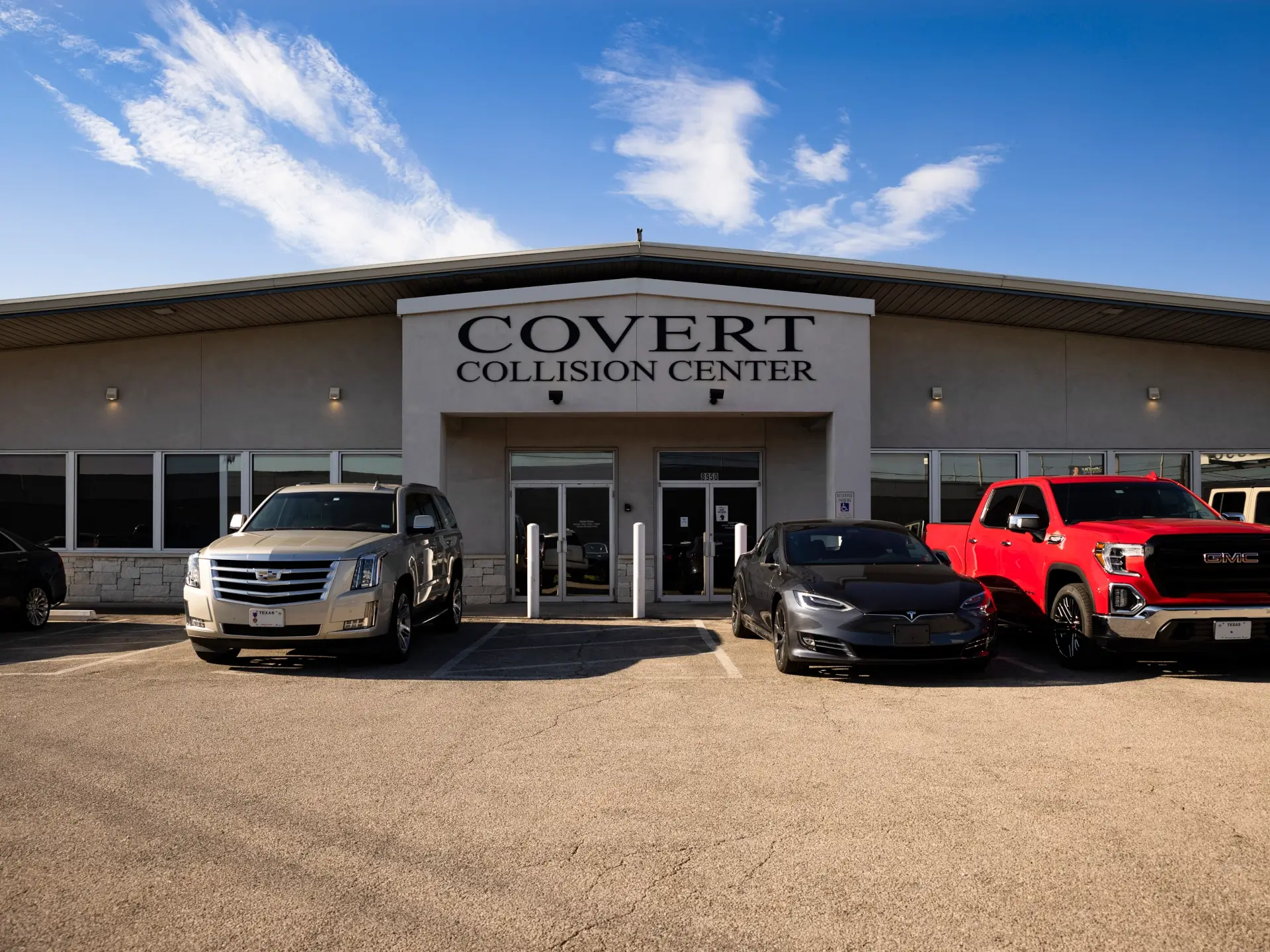
Exterior of Covert Collision in Austin, TX
Covert Collision Center in Austin, TX, providing certified collision repair and auto body repair services.

What Does Certified Collision Repair Mean?

Collision repair certifications are more than logos displayed on a wall. They can involve technician education, equipment requirements, documented repair procedures, ongoing training, and standards established by collision-industry organizations or vehicle manufacturers.

I-CAR Gold Class recognition focuses on role-specific education for the people involved in the repair process, including estimators, structural technicians, non-structural technicians, and refinish technicians. The goal is to keep repair professionals current as vehicle construction, electronics, materials, and repair techniques continue to change.

Manufacturer collision programs can add another layer by establishing vehicle-specific repair procedures, tooling, training, and facility requirements. For example, Ford describes its Certified Collision Network as providing access to technical repair procedures along with shop and inspection requirements.

For vehicle owners, the important question is not simply whether a shop can make collision damage disappear. It is whether the facility has the training, information, and equipment needed to evaluate and repair the vehicle appropriately.

Modern Vehicles Have Changed Collision Repair

A bumper, windshield, mirror, grille, or body panel may now interact with technology that did not exist on older vehicles. Cameras, sensors, electronic modules, advanced materials, and structural components can all influence the repair process after a collision.

That means today’s collision repair technicians may need to consider much more than the visible point of impact.

Vehicle-Specific Repair Procedures

Repair methods can vary by vehicle manufacturer, model, material, and location of the damage. Access to appropriate repair information helps technicians determine whether damaged components should be repaired, replaced, measured, inspected, or handled using a specific procedure.

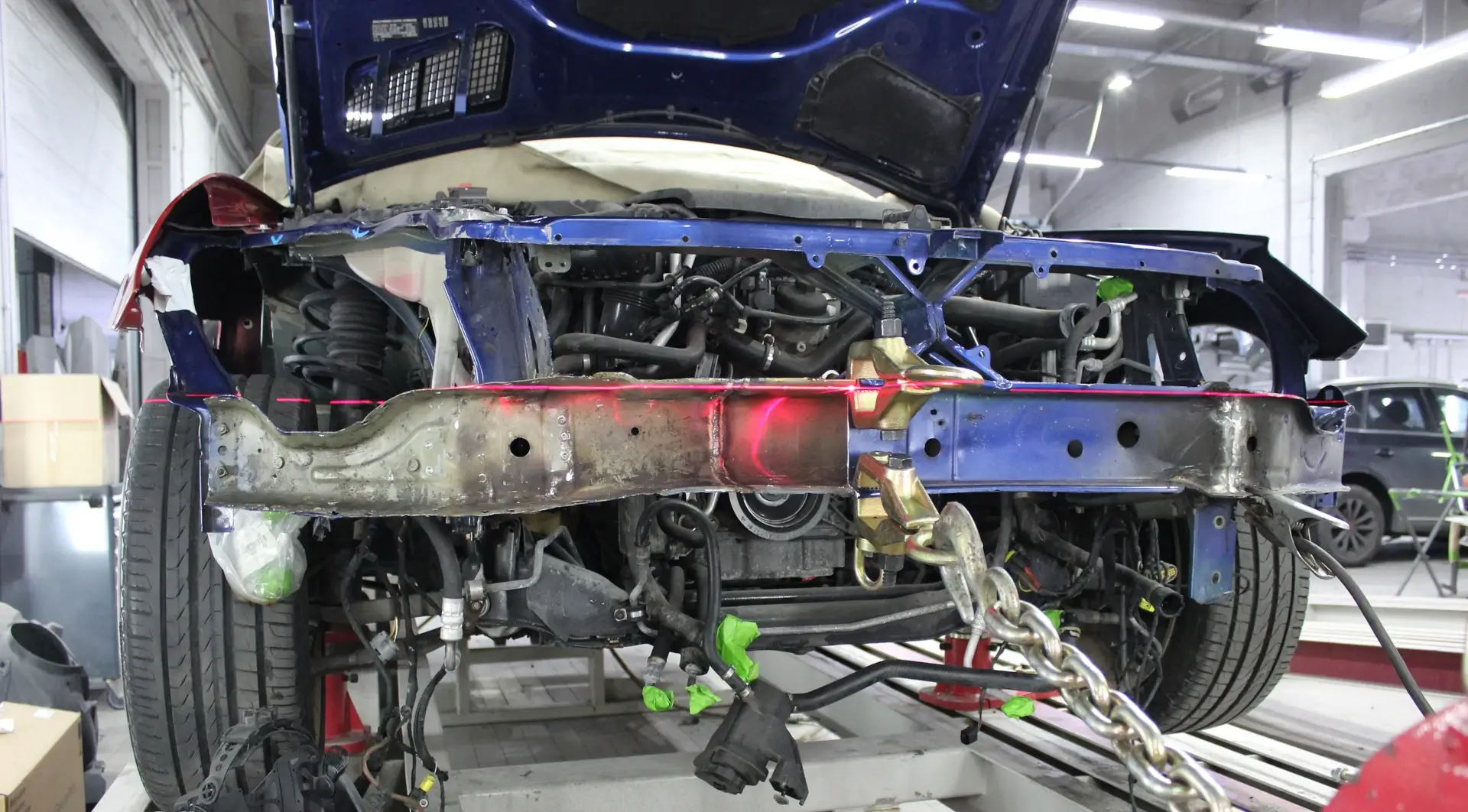
Structural Measurement and Repair

Collision forces can travel beyond the area where the vehicle was visibly hit. Proper structural assessment can help identify changes in vehicle dimensions and determine what repairs may be necessary. Learn more about Covert’s frame and structural repair services.

Steel and Aluminum Repair

Modern vehicles can combine conventional steel, high-strength steels, aluminum, and other materials. These materials may require different repair techniques, equipment, joining methods, and work areas. Covert also provides specialized aluminum repair in Austin.

Diagnostics and Safety Systems

Modern vehicles contain numerous electronic systems that can be affected by a collision. Depending on the vehicle and the damage, diagnostic scanning, system inspection, and additional procedures may become part of the repair process.

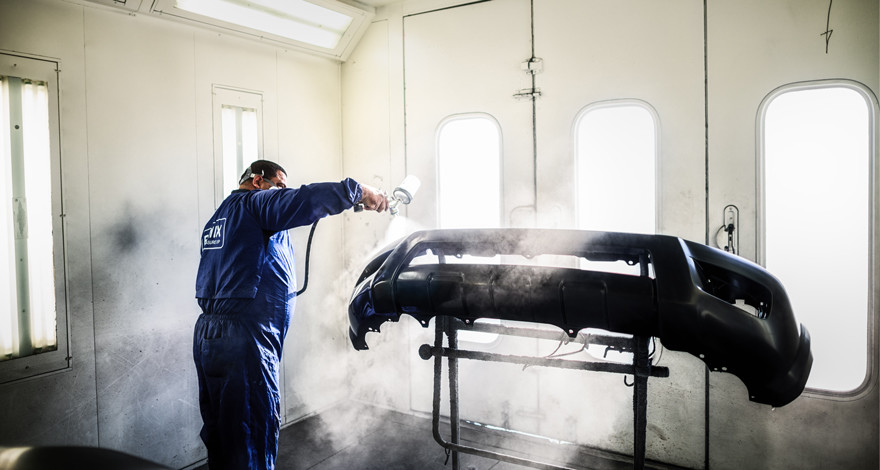
Auto Painting and Refinishing

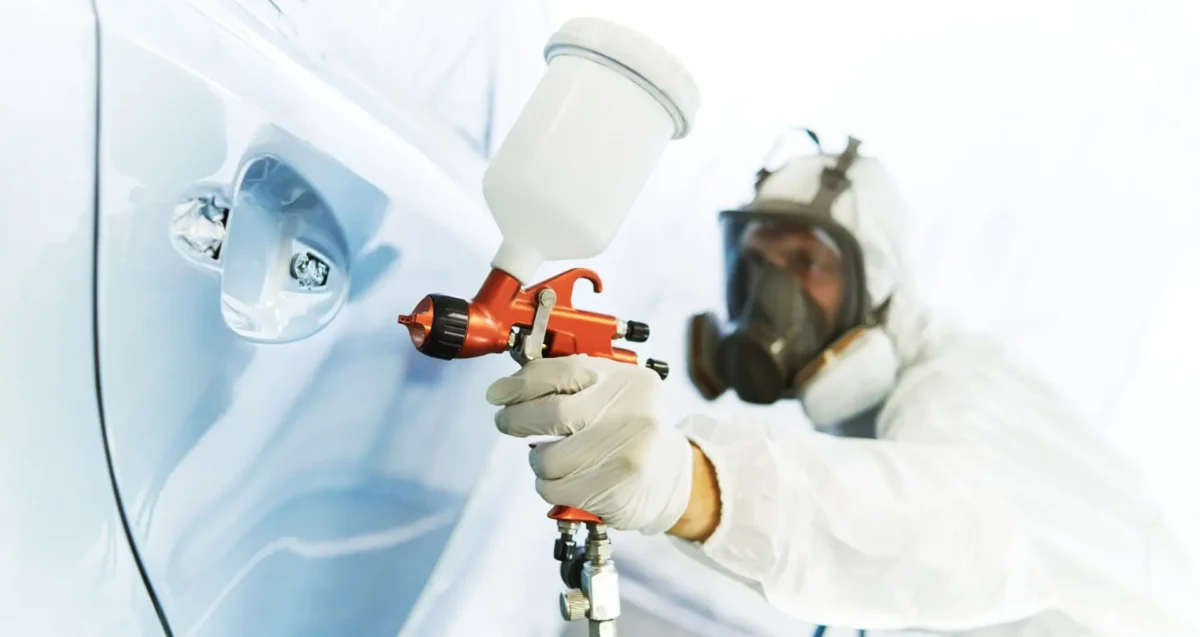
Restoring the vehicle’s appearance requires more than selecting a paint code. Professional refinishing can involve surface preparation, color matching, blending, and controlled application. Learn more about Covert’s auto painting and refinishing services.

Vehicle frame being straightened with measuring system during collision repair
Precision frame straightening ensures your vehicle is restored to proper alignment and safety standards.

Covert Collision Center: By the Numbers

Collision repair capability depends on more than the size of a building or the amount of equipment inside it. However, having dedicated space and specialized equipment gives technicians the resources needed to handle different stages of the repair process.

30,000

Square-Foot Facility

A dedicated Austin collision repair facility with space for body repair, structural work, refinishing, and supporting repair operations.

28

Production Stalls

Dedicated work areas that help support an organized collision repair process from vehicle disassembly through repair and reassembly.

6

Car-O-Liner Frame Machines

Structural repair and measuring equipment available for vehicles requiring collision-related frame and structural work.

3

Garmat Paint Booths

Dedicated waterborne refinishing facilities used during the painting and refinishing stages of the collision repair process.

Specialized Aluminum Repair: Covert’s facility also includes a segregated aluminum repair area for vehicles requiring specialized aluminum repair procedures.
Technician refinishing a vehicle bumper inside an automotive paint booth
Professional auto painting and refinishing at Covert Collision Center in Austin, TX.

I-CAR Gold Class Collision Repair

Covert Collision Center is an I-CAR Gold Class collision repair facility. Gold Class recognition is centered on continuing collision repair education and role-specific training for the people involved in the repair process.

The value of that training goes beyond the certification itself. Vehicle construction, materials, electronics, safety systems, and repair procedures continue to change. Ongoing education helps collision repair professionals keep pace with those changes and understand the procedures involved in repairing newer vehicles.

For Covert customers, that means choosing a facility that continues investing in the knowledge and capabilities required for modern collision repair.

Certified Repair Goes Beyond Appearance

A repaired vehicle should look right when it leaves the collision center, but appearance is only one part of the repair process. Depending on the accident and the vehicle, collision repair can involve several different stages.

  • Vehicle damage assessment and repair planning
  • Structural measuring and repair
  • Body panel repair or replacement
  • Steel or aluminum repair procedures
  • Diagnostic scanning and system evaluation
  • Inspection of affected electronic and safety systems
  • Paint preparation, color matching, and refinishing
  • Vehicle reassembly
  • Final quality checks

Covert provides a range of services for vehicles damaged in accidents, including collision repair, auto body repair, frame and structural repair, paintless dent repair, and auto painting and refinishing.

Manufacturer-Specific Collision Repair Expertise

Vehicle manufacturers develop repair information and procedures based on the design, construction, materials, and technology used in their vehicles. Manufacturer certification programs can also include requirements involving technician training, specialized equipment, facility capabilities, and access to repair documentation.

Covert Collision Center continues to invest in the training, equipment, and repair capabilities needed to work with today’s increasingly complex vehicles.

When repairing a collision-damaged vehicle, the goal is not to apply the same process to every make and model. The repair plan should reflect the vehicle, the type of damage, and the procedures appropriate for that repair.

Why Choose Covert for Certified Collision Repair in Austin?

Modern collision repair depends on training, equipment, repair information, and the ability to work with increasingly complex vehicle construction and technology.

Ongoing Collision Repair Training

Vehicle technology continues to change, which makes ongoing technician education increasingly important. Covert continues investing in collision repair training as vehicle structures, materials, and safety systems evolve.

Advanced Structural Repair Capability

Covert’s facility includes dedicated structural repair and measuring equipment for vehicles affected by collision-related frame and structural damage.

Specialized Aluminum Repair

Aluminum components can require different repair methods and equipment than conventional steel. Covert maintains a dedicated aluminum repair area for vehicles requiring specialized aluminum work.

Professional Refinishing

Dedicated paint booths, color-matching processes, and professional refinishing equipment support the final stages of restoring repaired body panels.

Help Throughout the Collision Repair Process

Covert can also assist customers with related needs such as towing, rental transportation, repair authorization, estimates, and insurance-related repair information.

Certified Collision Repair FAQs

Answers to common questions about certified repair, vehicle technology, and the collision repair process.

Is I-CAR Gold Class the same as a manufacturer certification?

No. I-CAR Gold Class is an industry training recognition for collision repair businesses. Manufacturer certification programs are separate programs that may establish requirements specific to particular vehicle brands.

Why does the vehicle manufacturer matter after a collision?

Vehicle construction, materials, attachment methods, electronics, and repair procedures can differ between manufacturers and even between individual models. The appropriate repair approach depends on the vehicle and the damage involved.

Can modern safety systems be affected by collision damage?

Yes. Cameras, sensors, radar units, mounting points, electronic modules, and other components can be located in areas commonly affected by collisions. Depending on the vehicle and damage, these systems may require additional inspection or procedures during the repair process.

Does certified collision repair only matter after a major accident?

No. Even relatively localized collision damage can involve modern materials, sensors, structural mounting points, or other components that need to be evaluated before determining the appropriate repair.

Can Covert help with an insurance claim?

Covert Collision Center can help customers work through the collision repair process and insurance-related repair documentation. Visit our insurance claims information for additional details.

Need Certified Collision Repair in Austin?

If your vehicle has been damaged in an accident, Covert Collision Center can help you understand the damage, the repair process, and the next steps.

Whether your repair involves body panels, structural components, aluminum, refinishing, or modern vehicle technology, our team is ready to help get the repair process started.

Categories
austin body shop

Ways to Protect Your Car’s Paint

Getting a new car paint job isn’t only expensive but also reduces the resale value of your vehicle. This is why car owners are continuously looking for effective yet affordable ways to protect their car’s original factory paint. To help you out, in this article, we have compiled 5 ways to protect your vehicle’s paint as advised by the experts at the car paint shop in Austin.

1.    Invest in a Good Quality Cover

One of the simplest things you can do to protect your car’s paint is to shield it with a high-quality and water-resistant cover, especially if you park your car outdoors. This way, birds and other elements of nature who are aiming to damage your car’s finish will not be able to harm your car or its paint. Furthermore, even if you are parking it in a garage, it is best to put a car cover on it as it will prevent dust from settling on the surface and damaging the paint.

2.    Use Paint Sealant

Paint sealants are similar to automobile wax but more effective. They are easy to apply, go well with wax and polish, and, when applied properly, can provide the appearance of glass. Since you only need to reapply once every six months, the effects also remain longer. It does, however, have some drawbacks. Paint sealants need more preparation than waxing since they might bring up paint flaws like scratches and swirl lines. This is why it is recommended to hire a car paint shop in Austin expert for the job.

3.    Wash and Dry Your Car Regularly

Regularly washing your car may greatly decrease the damaging effects of UV rays and get rid of all the built-up dust, filth, and grime that could damage the external finish of your car (at least once a week if you use it every day during the work week). Sounds quite easy, doesn’t it?

Unfortunately, a lot of vehicle owners don’t realize how important it is to thoroughly clean their cherished vehicles after each use. And some people don’t even know how to do it correctly. Here is a step-by-step guide on how the experts at the car paint shop in Austin wash every vehicle:

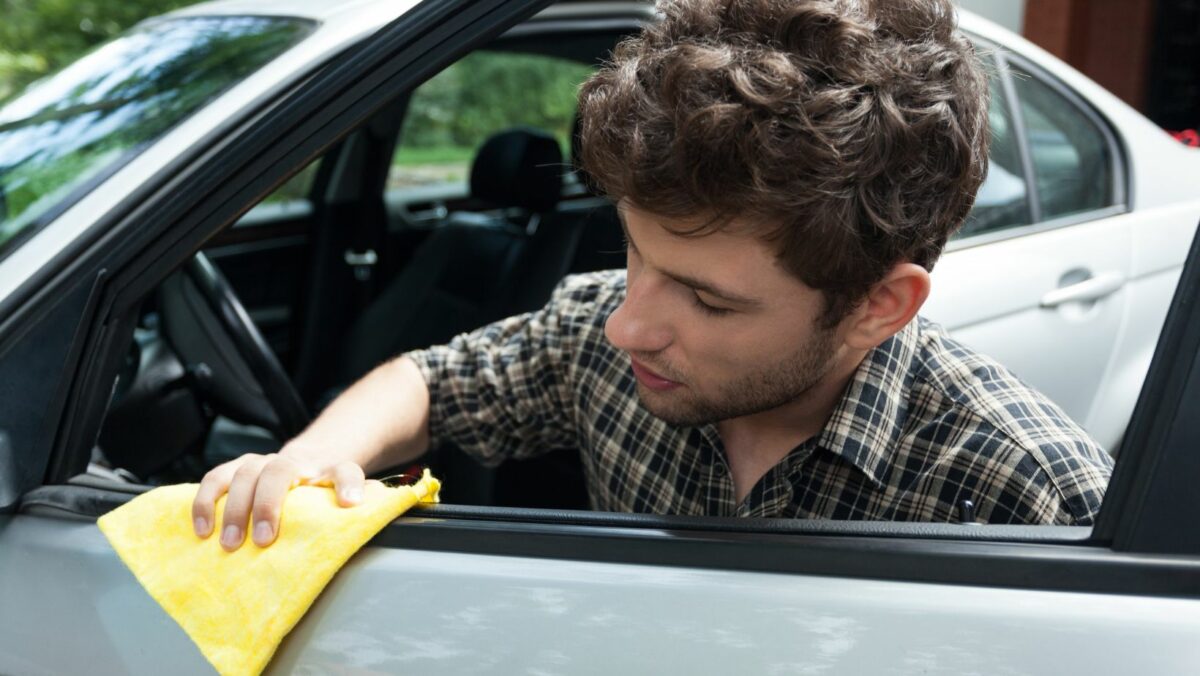
  • Step 01: When you decide to wash your car, choose a spot with plenty of shade. Remember to use a soft and clean cloth to remove all the grime, dust, and dirt.
  • Step 02: Use a gentle automotive cleaner, some water, and a clean cotton cloth to thoroughly clean your car. Never use regular soap or dish detergent to clean the car’s surface.
  • Step 03: Carefully remove bird droppings and hard mud stains. You can use an automotive cleanser or no-salt seltzer to remove the dried bird droppings and an automotive clay bar to remove the mud stains.
  • Step 04: Now, use a water pipe to rinse the vehicle’s exterior. Last but not least, use a clean cotton rag or a microfiber towel to wipe off excess moisture.

4.    Park It Right

Always park in the shade after using your new automobile if you’re looking for effective ways to keep the paint from being damaged. It is, without a doubt, one of the quickest, least expensive, and risk-free ways to protect your car from UV rays, acid rain, and bird droppings. It would be nice to have a separate garage at home, but if you don’t, think about spending money on a temporary auto shelter to prevent the paint from fading. Alternatively, you may get a high-quality car cover to provide your vehicle with the necessary protection.

5.    Polish with Wax

Waxing your car doesn’t only improve the luster of the paint but also makes sure to keep your car in its pristine condition. The polish acts as a protective shield, saving your car from UV rays, bug splatters, and bird droppings. Furthermore, it also reduces the drag force applied to your vehicle, increasing its fuel efficiency.

According to the experts at the car paint shop in Austin, you should apply a coat of wax every six weeks in order to protect the paint and keep it clean. Car wax comes in all kinds of forms, including liquid and solid paste. Some car waxes give your vehicle a great finish, while others are designed to polish and protect the paint in a single go.

Contact Us to Learn More About Protecting Your Paint

Practically speaking, protecting your car’s paint shouldn’t be as difficult as everyone says. When you buy a car, it comes with lots of responsibilities which makes it essential for you to ensure that you put some effort and time every day into keeping the vehicle in its best condition. 

While tips such as washing your car, using a car cover, and parking it in the right spot are mandatory, the rest can be used as per your choice and convenience. As the experts at the car paint shop in Austin advise, “Don’t overburden yourself and always opt for the car paint protection hacks that work for you.”