
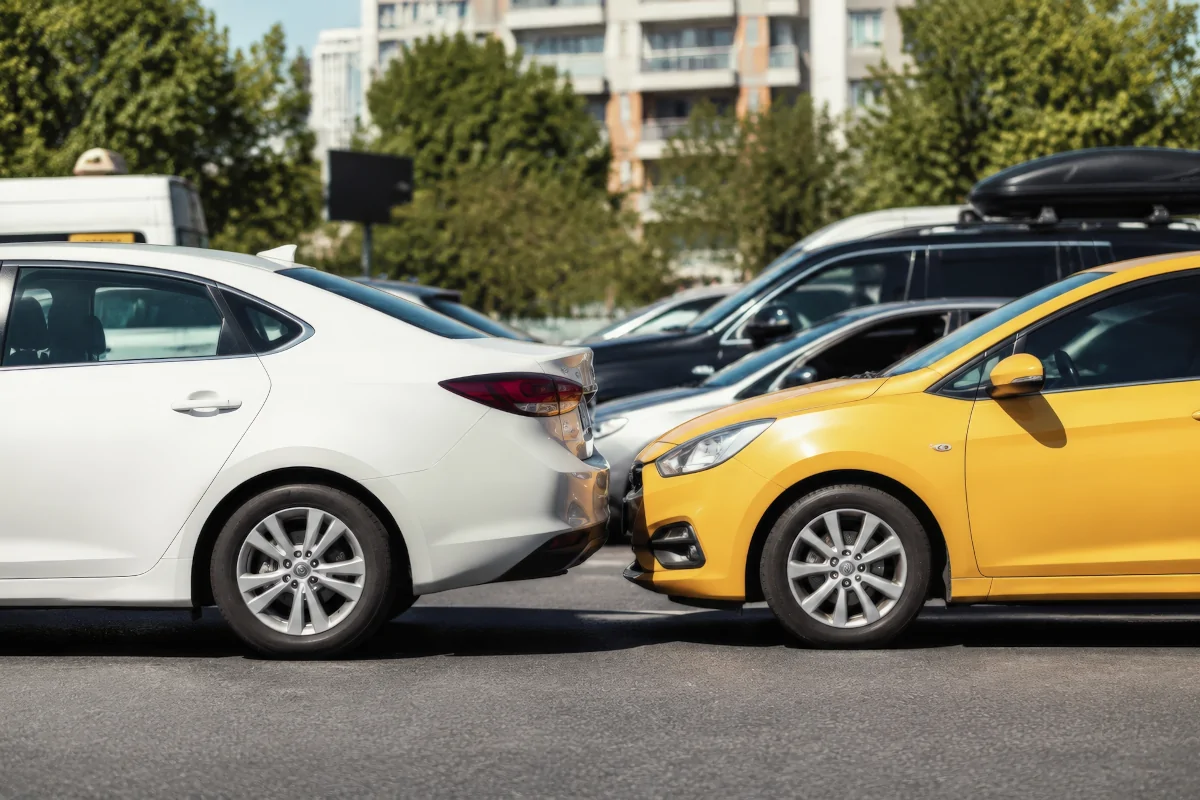
Fender benders are among the most common types of car accidents in Austin. Between heavy traffic, sudden stops, highway merging, crowded parking lots, and distracted drivers, even a short drive can lead to minor vehicle damage. While the word “minor” is often used to describe these accidents, the damage is not always as simple as it looks.
A fender bender can leave behind bumper damage, paint scratches, dented panels, broken clips, damaged lights, wheel or alignment issues, sensor problems, and hidden damage behind the bumper cover. Knowing what causes these accidents can help you avoid them. Knowing what to do afterward can help protect your vehicle and make the repair process easier.
Here are five of the most common causes of fender benders in Austin and practical ways to reduce your risk.
Key Takeaways
- Fender benders are common in heavy Austin traffic. Stop-and-go driving, lane changes, and parking lot congestion can all increase the chance of minor collisions.
- Distracted driving is one of the biggest risks. Looking away for even a moment can lead to a rear-end accident or low-speed impact.
- Minor-looking damage should still be inspected. Bumpers, brackets, sensors, lights, and structural components can be damaged even when the vehicle still drives.
- Safe following distance matters. Leaving more space gives you time to react to sudden stops and traffic changes.
- Professional repairs can help protect appearance and safety. A collision repair shop can check for visible and hidden damage after a fender bender.
1. Distracted Driving
Distracted driving is one of the most common causes of fender benders. Texting, checking notifications, eating, adjusting the GPS, changing music, or reaching for something inside the vehicle can take your attention away from the road. In slow-moving traffic, that small distraction can be enough to cause a rear-end collision.
In Austin, distraction can be especially risky in high-congestion areas, including I-35, MoPac, downtown streets, school zones, shopping centers, and construction-heavy roadways. Traffic can slow suddenly, and drivers may not have much time to react.
How to Avoid It
- Set your GPS before you start driving.
- Put your phone away or use hands-free features when needed.
- Avoid eating, reaching, or multitasking behind the wheel.
- Keep your eyes moving between the road ahead, mirrors, brake lights, and surrounding traffic.
- Give yourself extra space in heavy traffic so you have more time to respond.
2. Tailgating
Following too closely is another major cause of fender benders. When the vehicle in front of you stops suddenly, tailgating leaves very little reaction time. Even at low speeds, a rear-end impact can damage the front bumper, hood, grille, headlights, radiator support, or safety sensors.
Tailgating is common during rush hour and on busy highways where drivers are trying to move through traffic quickly. Unfortunately, staying too close usually does not save much time, and it can make an accident much more likely.
How to Avoid It
- Keep at least a few seconds of space between your vehicle and the one in front of you.
- Increase your following distance in rain, low visibility, or stop-and-go traffic.
- Do not rely only on the brake lights of the vehicle directly in front of you. Watch traffic farther ahead.
- Let aggressive drivers pass when it is safe instead of matching their behavior.
If your vehicle was hit from behind or you rear-ended another vehicle, the damage may go beyond the bumper cover. Our article on whether your car is safe to drive after a minor accident explains why an inspection can be important.
3. Sudden Stops
Sudden stops often happen because of traffic congestion, road hazards, pedestrians, cyclists, animals, construction, or another driver making an unexpected move. When traffic changes quickly, a driver who is distracted, following too closely, or driving aggressively may not be able to stop in time.
Even a low-speed impact can cause damage. A bumper may flex back into place after the accident, making the damage look smaller than it is. Behind the bumper, however, there may be broken tabs, crushed absorbers, damaged brackets, or misaligned parts.
How to Avoid It
- Watch several vehicles ahead, not just the car directly in front of you.
- Brake gradually when possible.
- Expect traffic to slow near exits, intersections, construction zones, and school areas.
- Avoid aggressive acceleration in stop-and-go traffic.
- Leave extra space when visibility is poor or roads are wet.
4. Merging and Lane Changes
Austin drivers deal with constant merging, lane changes, exits, turn lanes, and construction shifts. Fender benders can happen when a driver changes lanes without checking blind spots, merges too closely, hesitates unexpectedly, or cuts across lanes at the last second.
Side impacts from improper lane changes can damage doors, quarter panels, fenders, mirrors, wheels, paint, and trim. In some cases, the impact may also affect alignment or suspension components.
How to Avoid It
- Use your turn signal before changing lanes or merging.
- Check mirrors and blind spots before moving over.
- Avoid last-second lane changes near exits.
- Give merging vehicles enough space when traffic allows.
- Be especially careful in construction zones where lanes may narrow or shift.
If a lane-change accident caused body damage, Covert Collision can help with auto body repair in Austin, including dents, panel damage, paint damage, and related collision repairs.
5. Parking Lot Accidents
Parking lot accidents are usually low speed, but they are extremely common. Tight spaces, backing vehicles, pedestrians, shopping carts, blind corners, and limited visibility can all lead to minor collisions. Many parking lot fender benders involve bumper scuffs, dents, scratches, cracked lights, or damage to doors and quarter panels.
Because these accidents often happen at low speed, drivers may assume the damage is not worth checking. However, paint damage can worsen over time, and bumper damage may hide broken clips or damaged sensors.
How to Avoid It
- Drive slowly through parking lots and garages.
- Look in all directions before backing out of a space.
- Use your backup camera if your vehicle has one, but do not rely on it alone.
- Park farther away when possible to avoid crowded areas.
- Be cautious around large trucks, SUVs, and vehicles that limit visibility.
If your vehicle has minor dents or dings without paint damage, paintless dent repair may be an option. If the paint is scratched, cracked, or chipped, the vehicle may need traditional body and refinish work.
Fender Bender Damage Checklist
After a fender bender, look for more than obvious dents. These signs may indicate the vehicle should be inspected by a collision repair professional.
- Scratches, dents, cracks, or scuffs on the bumper or body panels.
- Loose bumper covers, trim pieces, moldings, or splash shields.
- Headlights, taillights, or turn signals that are cracked, loose, or not working.
- Warning lights on the dashboard after the accident.
- Steering pull, vibration, or unusual noises while driving.
- Doors, hood, or trunk that do not open or close normally.
- Wheel, tire, or alignment concerns after impact.
- Parking sensors, cameras, or driver-assist features that are not working properly.
- Paint chips, exposed metal, or cracked paint that could lead to corrosion.
- Any damage behind the bumper cover that is difficult to see from the outside.
What Should You Do After a Fender Bender?
If you are involved in a fender bender, start with safety. Check for injuries, move to a safe location if possible, exchange information, take photos, and contact the police or your insurance company when appropriate. Even if the accident seems minor, keep good records and avoid making assumptions about the damage.
It is also smart to take photos before repairs begin. Capture the damaged area from several angles, along with the other vehicle, license plates, road conditions, and any nearby signs or signals. These details may be helpful if you file an insurance claim or need a repair estimate.
For a broader step-by-step guide, visit our article on what to do after a car accident in Austin.
Why Minor Fender Bender Damage Should Be Inspected
Modern vehicles are built with advanced safety systems, sensors, cameras, brackets, and impact-absorbing components. A bumper cover can sometimes hide damage underneath. That means the outside of the vehicle may look mostly fine while internal parts are broken, shifted, or weakened.
A proper inspection can help identify whether the vehicle needs bumper repair, panel repair, refinishing, frame or structural repair, calibration-related attention, or replacement parts. If hidden damage is discovered during repairs, the shop may need to document the additional damage and coordinate with the insurance company.
Covert Collision provides collision repair in Austin for vehicles damaged in fender benders, minor accidents, parking lot collisions, and more serious crashes.
Can You Avoid Every Fender Bender?
No driver can control everything that happens on the road. You can drive carefully and still be hit by someone who is distracted, following too closely, or changing lanes unsafely. However, defensive driving can reduce your risk.
Staying alert, giving yourself space, slowing down in parking lots, avoiding distractions, and anticipating traffic changes can help you avoid many common low-speed accidents. These habits are especially important in Austin, where congestion, construction, and sudden traffic changes are part of everyday driving.
Related Austin Collision Repair Resources
Need Fender Bender Repair in Austin?
Fender benders are common, but the damage should still be taken seriously. A minor accident can affect your vehicle’s appearance, paint, bumper, lights, sensors, alignment, or hidden components. Having the damage inspected by a qualified collision repair shop can help you understand what repairs are needed.
Covert Collision helps Austin drivers with collision repair, auto body repair, paintless dent repair, refinishing, and accident-related vehicle damage. If your vehicle was recently involved in a fender bender, our team can inspect the damage and help you move forward with the repair process.
Request a Free Online Estimate or learn more about our Austin auto body repair services.