

Winter in Austin does not usually bring weeks of snow or freezing temperatures, but that does not mean drivers can ignore winter vehicle care. Central Texas weather can change quickly. One week may feel sunny and mild, while the next brings cold rain, fog, frost, or icy bridges during the morning commute.
Those changes can affect your tires, battery, visibility, fluids, brakes, and overall vehicle safety. They can also increase the risk of minor accidents, curb impacts, parking lot bumps, and weather-related collisions.
The good news is that a little preparation can go a long way. These winter car care tips can help Austin drivers stay safer on the road, avoid preventable breakdowns, and know what to do if winter weather leads to vehicle damage.
If cold, wet, or icy conditions do result in an accident, Covert Collision is here to help with collision repair in Austin, repair estimates, insurance guidance, and professional auto body repairs.
Key Takeaways for Austin Winter Driving
- Austin winters can still create driving risks. Cold rain, fog, frost, and occasional ice can affect traction, visibility, and braking distance.
- Tires and batteries need extra attention when temperatures drop. Cold weather can lower tire pressure and expose a weak battery before it fails.
- Visibility matters during winter weather. Good wipers, clean headlights, full washer fluid, and clear glass can make rainy or foggy drives much safer.
- Small winter accidents can still cause hidden damage. A curb strike, low-speed slide, or parking lot bump may affect alignment, suspension, sensors, or body components.
- A simple emergency kit is worth keeping in your vehicle. Jumper cables, a flashlight, phone charger, blanket, and basic tools can help if you are delayed or stranded.
1. Check Tire Pressure and Tread Before Cold Weather Hits
Your tires are one of the most important safety features on your vehicle. They are also one of the first things affected by colder weather.
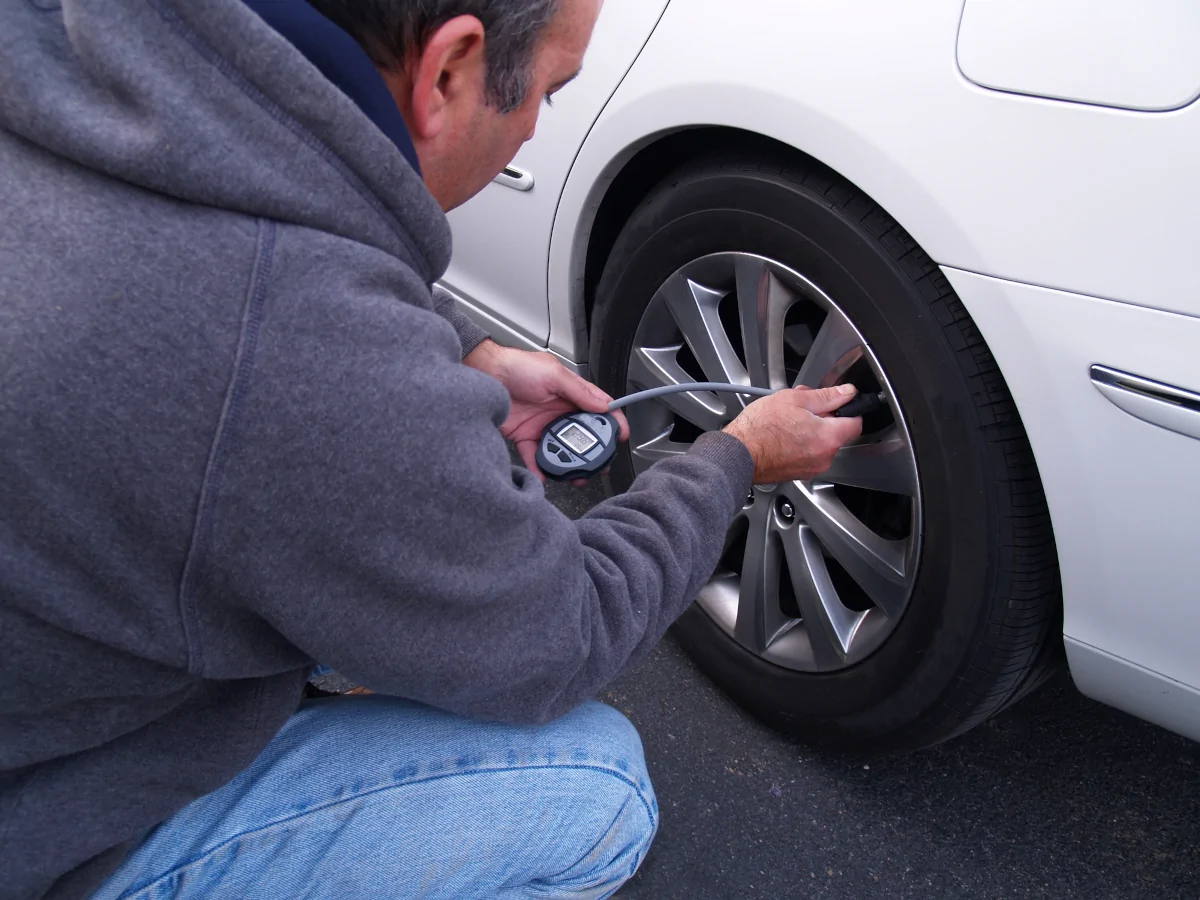
When temperatures drop, tire pressure can drop with them. Even a small decrease in pressure can affect handling, traction, fuel economy, and tire wear. Underinflated tires can also make your vehicle feel less stable, especially on wet roads.
Austin drivers may not need dedicated winter tires for everyday city driving, but tire condition still matters. Cold rain, slick intersections, morning frost, and occasional ice can make worn tires much more dangerous.
Before winter weather arrives, check:
- Tire pressure
- Tread depth
- Uneven tire wear
- Sidewall cracks or damage
- Slow leaks
- Spare tire condition
A simple way to check tread depth is the penny test. Place a penny into the tire tread with Lincoln’s head facing down. If you can see the top of his head, the tire may be too worn and should be inspected or replaced.
For tire pressure, use the recommended PSI listed on the sticker inside the driver-side door, not the maximum number printed on the tire itself. Check pressure when the tires are cold for the most accurate reading.
Good tire condition helps reduce the risk of sliding, hydroplaning, or losing control during sudden stops. If poor traction leads to a curb impact or accident, do not assume the damage is only cosmetic. A low-speed impact can still affect alignment, suspension, wheels, or body panels and may require auto body repair in Austin.
2. Test Your Battery Before a Cold Morning Leaves You Stranded
Cold weather can be hard on vehicle batteries. A battery that seemed fine during warmer months may struggle once temperatures drop.
This is especially true if your battery is more than three years old. Cold weather slows the chemical reaction inside the battery, making it harder for the battery to deliver power. If the battery is already weak, a cold morning may be all it takes to leave you stranded.
Signs of a weak battery include:
- Slow engine cranking
- Clicking sounds when starting the vehicle
- Dim headlights
- Dashboard warning lights
- Electrical issues
- Needing a jump start more than once
It is also smart to check for corrosion around the battery terminals. White, blue, or green buildup can interfere with the connection and make starting problems worse. If you see corrosion, have it cleaned properly.
A quick battery test can usually tell you whether the battery is still holding a strong charge. Replacing a weak battery before winter is much easier than dealing with a dead vehicle on a cold, rainy morning.
If your vehicle breaks down after a cold snap or cannot be safely driven after an accident, it helps to know your roadside options ahead of time. Covert Collision can help drivers understand next steps after vehicle damage and can point customers toward towing service in Austin when needed.
3. Check Fluids, Wipers, and Visibility
Winter driving is not only about traction. Visibility is just as important.
Austin winters can bring rain, fog, mist, dirty road spray, and early sunsets. If your windshield is streaky, your wipers are worn, or your washer fluid is low, a simple drive can become much more stressful.
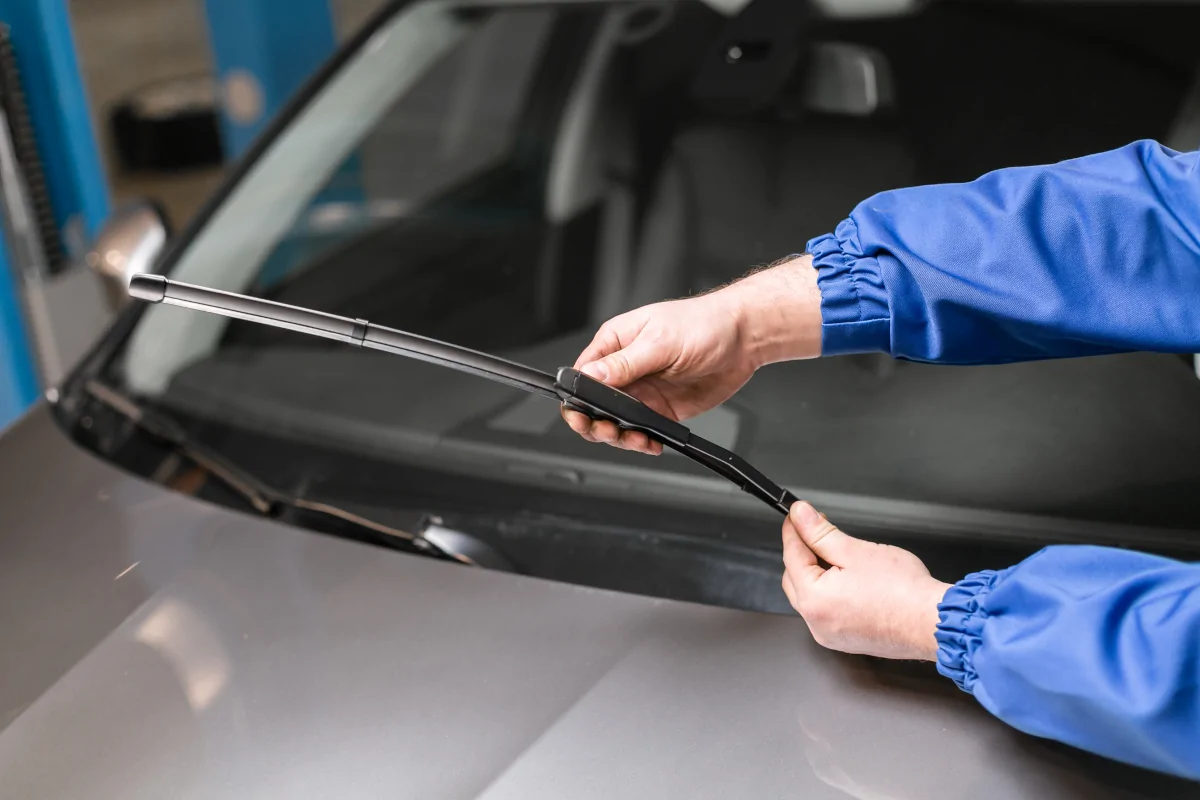
Start with your windshield wipers. If they squeak, skip, chatter, or leave streaks, replace them. Wiper blades are inexpensive compared to the risk of driving with poor visibility during a storm.
Next, check your washer fluid. Use a washer fluid that can handle colder temperatures. Plain water can freeze and may not clean the windshield well when road grime builds up.
You should also check:
- Coolant/antifreeze level
- Engine oil
- Brake fluid
- Power steering fluid
- Windshield washer fluid
- Any signs of leaks under the vehicle
Coolant is especially important because it helps regulate engine temperature and protect the cooling system. Even though Austin does not usually see extended deep freezes, sudden cold fronts can still stress your vehicle if fluids are low or old.
Do not overlook the inside of your windshield either. Film, dust, and condensation can make glare worse, especially during early morning or evening driving. Keep a microfiber cloth in the vehicle so you can clear fog or haze before you drive.
4. Inspect Brakes and Lights Before Winter Weather
Wet roads and shorter daylight hours make brakes and lights more important during winter.
Your brakes should feel smooth and responsive. If you notice squeaking, grinding, vibration, pulling, or a soft brake pedal, have the system inspected. These warning signs should not be ignored, especially before rainy or slick conditions.
Even a small increase in stopping distance can matter when traffic suddenly slows on Mopac, I-35, Highway 183, or neighborhood roads after a cold rain.
Lights matter too. Other drivers need to see you clearly, and you need to see the road ahead.
Check your:
- Headlights
- Brake lights
- Turn signals
- Hazard lights
- Reverse lights
- Fog lights, if equipped
Clean cloudy or dirty headlight lenses so they are as bright as possible. If one bulb is dim or burned out, replace it quickly.
A vehicle that cannot stop properly or be seen clearly becomes more dangerous in wet, foggy, or dark conditions. If winter weather contributes to a crash, even a minor one, it is wise to have the vehicle inspected before assuming everything is fine.
For drivers who need help after an accident, Covert Collision provides professional collision repair in Austin and can help identify visible and hidden damage.
5. Keep a Simple Winter Emergency Kit in Your Vehicle
Austin drivers may not need the same winter gear as drivers in northern states, but a small emergency kit is still a smart idea.
Winter weather can cause traffic delays, dead batteries, slick roads, and unexpected breakdowns. Even if you only drive around the city, being prepared can make a stressful situation easier to handle.
A basic winter vehicle kit should include:
- Jumper cables or a portable jump starter
- Flashlight and extra batteries
- Phone charger or power bank
- Blanket or warm clothing
- Bottled water
- Non-perishable snacks
- First aid kit
- Basic tools
- Tire inflator or tire sealant
- Ice scraper
- Microfiber towel
- Emergency contact list
- Insurance and roadside assistance information
You may never need all of these items, but if you are stuck in traffic after an accident, waiting for a tow, or dealing with a dead battery on a cold morning, you will be glad they are there.
If your vehicle is damaged during winter weather, you can start the repair process by requesting a free online estimate from Covert Collision.
Quick Winter Vehicle Checklist
- Check tire pressure and tread depth.
- Test the battery if it is more than three years old.
- Replace streaking or worn windshield wipers.
- Top off washer fluid and check coolant level.
- Inspect headlights, brake lights, turn signals, and hazard lights.
- Keep jumper cables, a flashlight, blanket, and phone charger in the vehicle.
- Watch for pulling, vibration, warning lights, or loose parts after any winter impact.
Watch for Hidden Damage After a Winter Accident
Not every accident looks serious at first. This is especially true with winter-related incidents.
A vehicle may slide into a curb, bump another car in traffic, hit road debris, or get tapped in a parking lot. At first glance, the damage may look minor. But modern vehicles are complex, and damage can hide behind bumpers, under panels, near sensors, or in structural areas.
After a winter accident or curb impact, watch for:
- New vibrations
- Pulling to one side
- Uneven steering
- Warning lights
- Loose bumper covers
- Uneven panel gaps
- Fluid leaks
- New noises
- Doors, hood, or trunk not closing properly
- Sensor or camera issues
These signs may point to alignment problems, suspension damage, hidden body damage, or issues behind the bumper. If something feels off after an impact, it is better to have the vehicle inspected.
Covert Collision has more information on hidden vehicle damage after an accident, including warning signs drivers should not ignore. If the impact may have affected the vehicle’s structure, the repair may involve frame and structural repair.
What to Do If Winter Weather Leads to an Accident
If cold rain, ice, fog, or poor visibility contributes to an accident, try to stay calm and focus on safety first.
Here are a few important steps:
- Move to a safe location if the vehicle can be moved.
- Check yourself and passengers for injuries.
- Call emergency services if anyone is hurt or if the accident is blocking traffic.
- Take photos of the damage, vehicles, road conditions, and surrounding area.
- Exchange contact and insurance information with the other driver.
- Avoid admitting fault at the scene.
- Contact your insurance company.
- Have the vehicle inspected before continuing to drive if there are warning lights, leaks, steering issues, or unusual noises.
Even if the damage seems minor, photos and documentation can help with the insurance process. A professional inspection can also help identify damage that may not be visible right away.
If you are not sure what to do next, Covert Collision has a helpful guide on what to do after a collision in Austin. You can also review information about the insurance claim process if you need help understanding how repairs and insurance typically work.
Stay Prepared for Austin Winter Driving
Winter in Austin may be mild compared to other parts of the country, but it can still create real driving risks. Cold mornings, rain, fog, frost, and occasional ice can affect your vehicle in ways that are easy to overlook until something goes wrong.
Before winter weather arrives, take time to check your tires, battery, fluids, wipers, brakes, lights, and emergency supplies. These simple steps can help reduce your risk of breakdowns, visibility problems, and weather-related accidents.
And if winter driving does lead to vehicle damage, Covert Collision is here to help. Our team can inspect the damage, explain the repair process, help with insurance questions, and restore your vehicle properly.
If your vehicle was damaged in an accident or you are unsure whether a minor impact caused hidden damage, you can request a free online estimate to get started.
Was Your Vehicle Damaged During Winter Weather?
If your vehicle slid into a curb, was hit in traffic, or has damage after a weather-related accident, Covert Collision can inspect the vehicle and help you understand your repair options.
Request a Free Online EstimateFrequently Asked Questions About Winter Car Care in Austin
Do Austin drivers need winter tires?
Most Austin drivers do not need dedicated winter tires for normal city driving. However, your tires should still have good tread depth and proper air pressure. If you frequently travel to colder areas where snow or ice is more common, you may need additional preparation.
Why does my tire pressure drop in cold weather?
Cold air causes tire pressure to decrease. When tires are underinflated, your vehicle may not handle as well, traction may be reduced, and fuel economy can suffer. Check tire pressure regularly during colder months.
How can I prepare my car for winter driving in Austin?
Start by checking tire pressure, tread depth, battery health, fluids, wipers, brakes, lights, and emergency supplies. It is also smart to keep a phone charger, jumper cables, flashlight, blanket, and basic tools in your vehicle.
What should I do if I slide into a curb?
After a curb impact, check for visible damage, warning lights, pulling, vibration, steering issues, or fluid leaks. Even if the vehicle looks okay, a curb strike can affect alignment, suspension, wheels, or nearby body components.
Can a minor winter accident cause hidden vehicle damage?
Yes. Minor accidents can still damage bumper supports, brackets, sensors, suspension components, alignment, or structural areas. If something feels different after an impact, have the vehicle inspected before assuming it is safe.
Should I drive my vehicle after a winter accident?
If there are warning lights, leaking fluids, steering issues, tire damage, loose parts, or unusual noises, it may not be safe to drive. When in doubt, have the vehicle towed and inspected by a professional repair shop.