
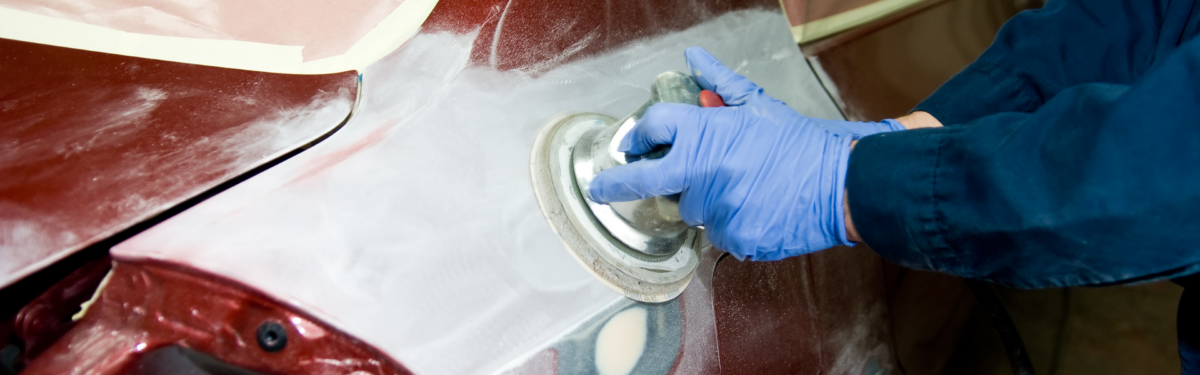
Yes, some car dealerships perform collision repair, but not every dealership has an on-site collision center. Some operate dedicated body shops, while others refer damaged vehicles to a separate repair facility. That means the dealership name alone should not be the deciding factor when choosing where to have your vehicle repaired.
After an accident, look for a collision repair facility that has the training, equipment, repair procedures, and experience needed for your specific vehicle. Whether that facility is connected to a dealership or operates independently, those qualifications matter more than the name on the building.
Do All Dealerships Have Collision Repair Centers?
No. Many dealerships primarily handle mechanical service, maintenance, warranty work, and vehicle sales. Collision repair requires a different combination of body repair equipment, structural measuring systems, welding capabilities, refinishing equipment, technician training, and repair procedures.
If a dealership does not operate its own collision center, it may refer customers to another facility. Before assuming the dealership is the best or only option, ask who will actually perform the repairs and whether that facility is properly equipped for your make and model.
Manufacturer Certifications Matter More Than Dealership Affiliation
One of the most useful things to look for after a collision is manufacturer-specific training and certification. Modern vehicles can require specialized repair procedures, equipment, tools, materials, and technical information that vary by manufacturer.
A certified collision repair facility has made an investment in meeting specific requirements for the vehicles it repairs. Covert Collision Center holds multiple manufacturer certifications along with I-CAR Gold Class recognition. You can learn more about these qualifications on our Certified Collision Center in Austin page.
Look for the Right Equipment and Repair Procedures
Collision damage is not always limited to visible dents and scratches. Depending on the accident, repairs may involve structural components, aluminum or high-strength steel, electronic systems, sensors, refinishing, and other vehicle-specific procedures.
Ask whether the repair facility has the equipment and technical information needed to properly assess and repair your vehicle. A qualified shop should be able to explain how the damage will be evaluated and what procedures may be required before work begins.
What About OEM Parts?
Dealership affiliation does not automatically determine which parts will be used during a collision repair. Parts selection can depend on the vehicle, the repair plan, manufacturer requirements, availability, insurance coverage, and other factors.
The important question is whether the repair facility understands the manufacturer’s procedures and can explain the parts being recommended for your vehicle. If OEM parts or specific components are required as part of a certified repair procedure, the shop should be able to discuss that with you.
Can You Choose Your Own Collision Repair Shop?
After an accident, your insurance company may recommend one or more repair facilities. However, you can still discuss your repair options and choose the shop you feel is best qualified to repair your vehicle.
A good collision center should also be comfortable working with insurance companies, documenting damage, handling supplements when additional damage is discovered, and helping you understand the repair process. Learn more on our Insurance Claims page.
Questions to Ask Before Choosing a Collision Center
- Is the facility certified to repair my vehicle make?
- What technician training and certifications does the shop maintain?
- Does the facility have the equipment required for my vehicle?
- Will manufacturer repair procedures be followed when applicable?
- How will I be kept updated during the repair?
- Does the shop work with insurance companies and handle supplements?
- What warranty is provided on the repair work?
- Can the shop explain the parts and repair procedures being recommended?
Dealership vs. Certified Collision Repair Center
A dealership can be a good collision repair option when it operates a properly equipped and qualified collision center. But an independent or dealership-affiliated certified collision center can also be an excellent choice. The most important factors are the facility’s certifications, training, equipment, repair procedures, communication, and experience with your particular vehicle.
Instead of choosing a shop based only on whether it is attached to a dealership, compare the qualifications of the facility that will actually perform the repair.
Need Collision Repair in Austin?
Covert Collision Center provides certified collision repair for Austin drivers and works with a wide range of vehicle makes and models. Our team can assess the damage, explain the repair process, coordinate with your insurance company, and help determine the appropriate repair procedures for your vehicle.
Learn more about our Austin collision repair services or contact Covert Collision Center to get started.