
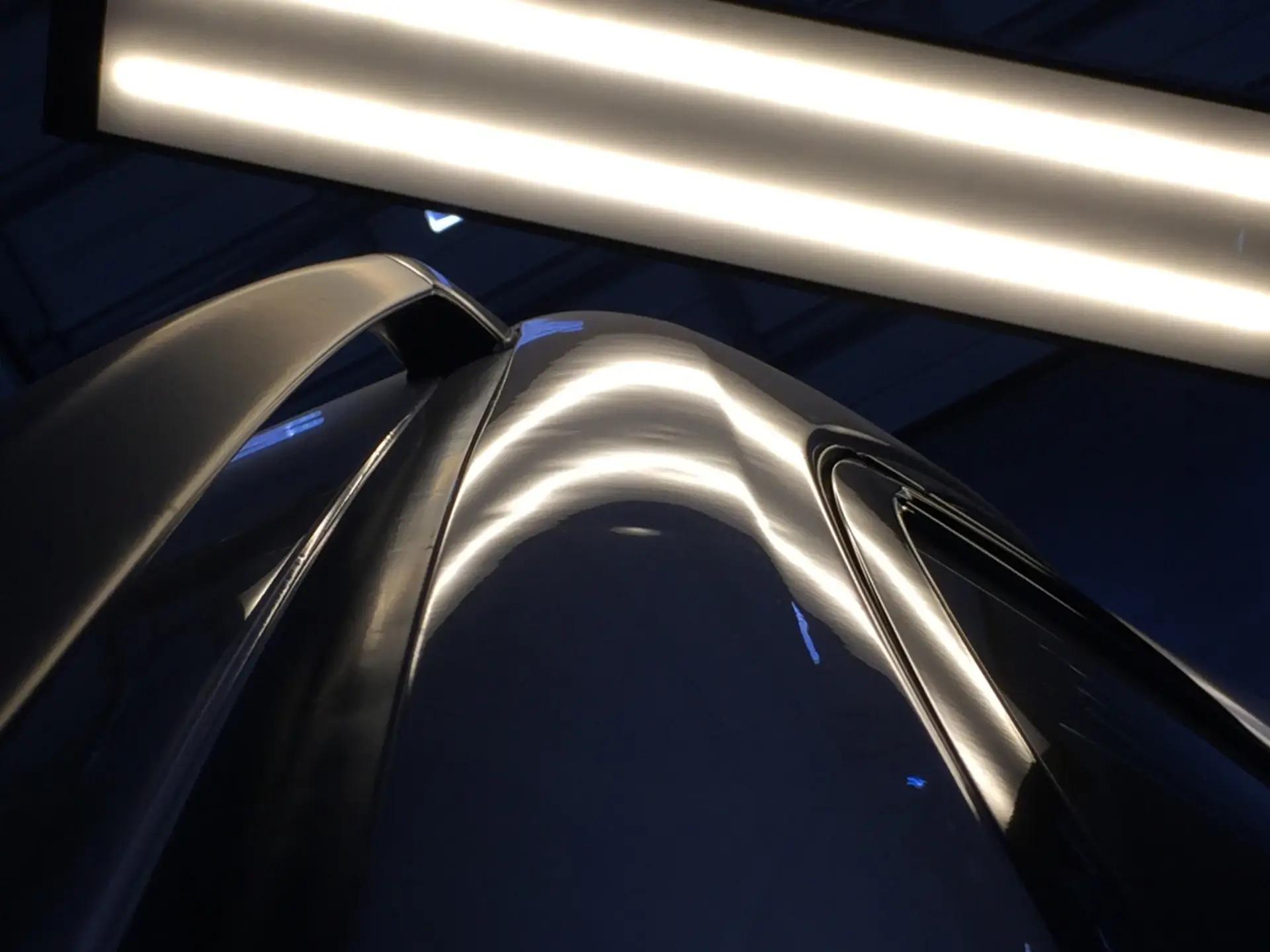
Minor dents and dings are common for Austin vehicle owners. Parking lot door dings, hail damage, small impacts, and everyday mishaps can leave your vehicle looking damaged even when the paint is still intact. In many cases, paintless dent repair, often called PDR, may be a faster and less invasive way to restore the panel without traditional body filler or repainting.
Paintless dent repair is not the right solution for every dent, but when the damage qualifies, it can be an excellent option. It can help preserve the original factory finish, reduce repair time, and avoid unnecessary repainting when the paint surface has not been cracked, chipped, or stretched beyond repair.
Here is what Austin drivers should know about paintless dent repair, when it works, when it does not, and how to decide whether PDR is right for your vehicle.
Key Takeaways
- Paintless dent repair is best for minor dents with intact paint. PDR works well when the metal can be carefully reshaped without sanding, filling, or repainting.
- PDR is commonly used for hail damage and door dings. Small dents from hail, parking lots, and light impacts may be good candidates.
- Not every dent qualifies for PDR. Sharp creases, cracked paint, deep dents, stretched metal, and collision damage may require traditional auto body repair.
- PDR can help preserve factory paint. Because the original finish is not repainted, the vehicle can often retain a more original appearance.
- A professional inspection is the best way to know. A trained technician can evaluate the dent location, depth, paint condition, and access before recommending a repair method.
What Is Paintless Dent Repair?
Paintless dent repair is a specialized repair process used to remove certain dents and dings without repainting the damaged panel. Instead of sanding the area, applying body filler, and refinishing the surface, a technician uses specialized tools and techniques to carefully work the metal back toward its original shape.
The process is precise and requires experience. Technicians evaluate the dent from different angles, access the backside of the panel when possible, and use controlled pressure to gradually reshape the damaged area. In some cases, glue-pulling methods may also be used from the outside of the panel.
PDR is often used for:
- Door dings.
- Small parking lot dents.
- Minor hail damage.
- Small dents where the paint is still intact.
- Minor impact damage that has not stretched or cracked the paint.
Covert Collision provides paintless dent repair in Austin for qualifying dents and minor vehicle damage.
When Is PDR a Good Option?
Paintless dent repair may be a good option when the dent is shallow enough to reshape, the paint is not cracked or chipped, and the technician can access the damaged area. The size of the dent matters, but the depth, location, and paint condition are often even more important.
PDR may be a good fit if:
- The paint is still intact.
- The dent is not too sharp or deeply creased.
- The metal is not severely stretched.
- The damaged area can be accessed with PDR tools.
- The panel does not need replacement.
- The damage is cosmetic rather than structural.
If the dent was caused by a collision, the vehicle may need a more complete inspection before deciding on PDR. Some impacts create hidden damage behind the panel or bumper cover. If your vehicle was recently involved in an accident, you may also want to read Is Your Car Safe to Drive After a Minor Accident?
When Paintless Dent Repair May Not Work
PDR is effective for many minor dents, but it is not the right solution for every type of damage. If the paint is cracked, chipped, or missing, the vehicle may need traditional body repair and refinishing. If the metal is sharply creased or heavily stretched, PDR may not fully restore the panel.
PDR may not be recommended for:
- Deep dents with stretched metal.
- Sharp creases or body line damage.
- Cracked, chipped, or peeling paint.
- Rust or exposed metal.
- Major collision damage.
- Damage near panel edges where access is limited.
- Panels that require replacement.
- Structural damage or frame-related concerns.
When PDR is not the right option, the vehicle may need auto body repair, auto painting and refinishing, or other collision repair services.
Benefits of Paintless Dent Repair
Faster Repair Time
Traditional dent repair can involve sanding, filling, priming, painting, and refinishing. Paintless dent repair avoids many of those steps when the damage qualifies. Because of that, PDR can often be completed more quickly than traditional body repair.
Repair time still depends on the number of dents, the location of the damage, the severity of the dents, and shop scheduling. Hail damage with many dents may take longer than a single door ding, but PDR may still be more efficient than repainting multiple panels.
Preserves the Original Paint Finish
One of the biggest advantages of PDR is that it preserves the original factory paint when the paint is still intact. This can be helpful for vehicle appearance, paint consistency, and resale value.
With traditional refinishing, a technician must match the vehicle’s paint color and blend the repair into nearby panels when needed. Professional refinishing can produce excellent results, but if repainting is not necessary, keeping the original finish may be preferred.
May Be More Cost-Effective
Because PDR can avoid body filler, primer, paint, and refinishing materials, it may be more cost-effective than traditional dent repair in qualifying situations. The final cost depends on the number of dents, severity, access, panel location, and whether insurance is involved.
For hail damage, an insurance company may inspect the vehicle and determine whether PDR, traditional repair, or a combination of methods is appropriate based on the damage.
Less Invasive Repair Method
PDR is less invasive than traditional repair because it focuses on reshaping the original panel instead of replacing or refinishing it. When performed properly, it can restore the panel’s appearance while keeping the original paint surface intact.
Environmentally Friendly Repair Option
Because paintless dent repair does not require repainting, it can reduce the need for paint materials, solvents, fillers, and related refinishing products. When PDR is appropriate, it can be a more environmentally friendly repair option compared with traditional paint and body repair.
How Does Paintless Dent Repair Work?
The exact process depends on the dent, panel, vehicle, and access point. In general, a paintless dent repair technician follows a careful inspection and repair process.
1. Inspect the Damage
The technician first evaluates the dent’s size, depth, location, paint condition, and panel access. This helps determine whether PDR is a good repair option.
2. Access the Dent
When possible, the technician accesses the backside of the dent by carefully reaching behind the panel. This may require removing trim, interior panels, lights, or other components depending on the location of the damage.
3. Gently Reshape the Metal
Using specialized tools, the technician applies controlled pressure to gradually move the dented metal back toward its original shape. This step requires patience and precision.
4. Check the Repair Under Proper Lighting
PDR technicians often use special lighting to see the shape of the panel and identify remaining distortion. This helps refine the repair and improve the finished result.
5. Final Inspection
Once the dent has been repaired, the technician inspects the area to make sure the panel looks correct and the repair meets expectations.
Is Your Dent a Good Candidate for PDR?
Paintless dent repair may be an option if the damage meets several important conditions.
- The paint is not cracked, chipped, or peeling.
- The dent is shallow enough to reshape.
- The metal does not appear severely stretched.
- The dent is not a sharp crease or deep fold.
- The damaged area can be accessed with PDR tools.
- The panel does not require replacement.
- There is no rust or exposed metal in the damaged area.
- The damage is cosmetic, not structural.
- The vehicle does not have warning lights or safety system concerns from the impact.
- A technician confirms PDR is appropriate after inspection.
Paintless Dent Repair for Hail Damage
Paintless dent repair is commonly used for hail damage when the paint remains intact. Hail can leave many small dents across the hood, roof, trunk, fenders, and other panels. If those dents are accessible and the paint is not damaged, PDR may be the preferred repair method.
However, hail damage should still be inspected carefully. Large hail can crack paint, damage trim, break glass, chip lights, or create deeper panel damage. In those cases, the vehicle may need a combination of PDR, traditional body repair, refinishing, or glass-related repairs.
If your vehicle was recently damaged in a storm, read our guide on what to do if your car gets hail damage in Austin.
Paintless Dent Repair for Door Dings and Parking Lot Damage
Door dings and parking lot dents are also common candidates for PDR. These small dents often happen when another door opens into your vehicle, a shopping cart hits a panel, or a minor bump occurs in a parking lot.
If the paint is still intact, PDR may restore the panel without repainting. If the impact chipped the paint or created a sharp crease, traditional repair may be needed instead.
For broader parking lot and low-speed accident information, visit Top 5 Causes of Fender Benders in Austin and How to Avoid Them.
PDR vs. Traditional Dent Repair
The right repair method depends on the damage. PDR is often a good option for minor dents where the paint is still intact. Traditional dent repair may be needed when the paint is damaged, the dent is too deep, the panel is severely stretched, or the damage is part of a larger collision repair.
Here is a simple way to compare them:
- PDR: Best for qualifying dents with intact paint and accessible damage.
- Traditional dent repair: Better for deep dents, cracked paint, stretched metal, or damage that requires refinishing.
- Collision repair: Needed when there is structural damage, major panel damage, safety system concerns, or hidden accident damage.
If your vehicle was damaged in a collision rather than a simple door ding or hailstorm, learn more about collision repair in Austin.
Should You Try DIY Dent Repair?
DIY dent repair tools may seem tempting, but they can make the damage worse if used incorrectly. Pulling too hard, applying heat improperly, or using the wrong tools can stretch the metal, damage the paint, or make professional repair more difficult.
If the vehicle is newer, the paint is important to preserve, or the dent is in a visible area, it is usually better to have the damage inspected by a professional. A trained PDR technician can determine whether the dent can be repaired without repainting.
Related Austin Auto Body Repair Resources
Need Paintless Dent Repair in Austin?
If your vehicle has a door ding, hail dent, parking lot dent, or other minor damage, paintless dent repair may be a good option. The best way to know is to have the damage inspected by a professional who can evaluate the paint, dent depth, panel access, and overall repair needs.
Covert Collision helps Austin-area drivers with paintless dent repair, auto body repair, collision repair, and auto painting and refinishing.
Request a Free Online Estimate or visit our contact page to get in touch with Covert Collision.