
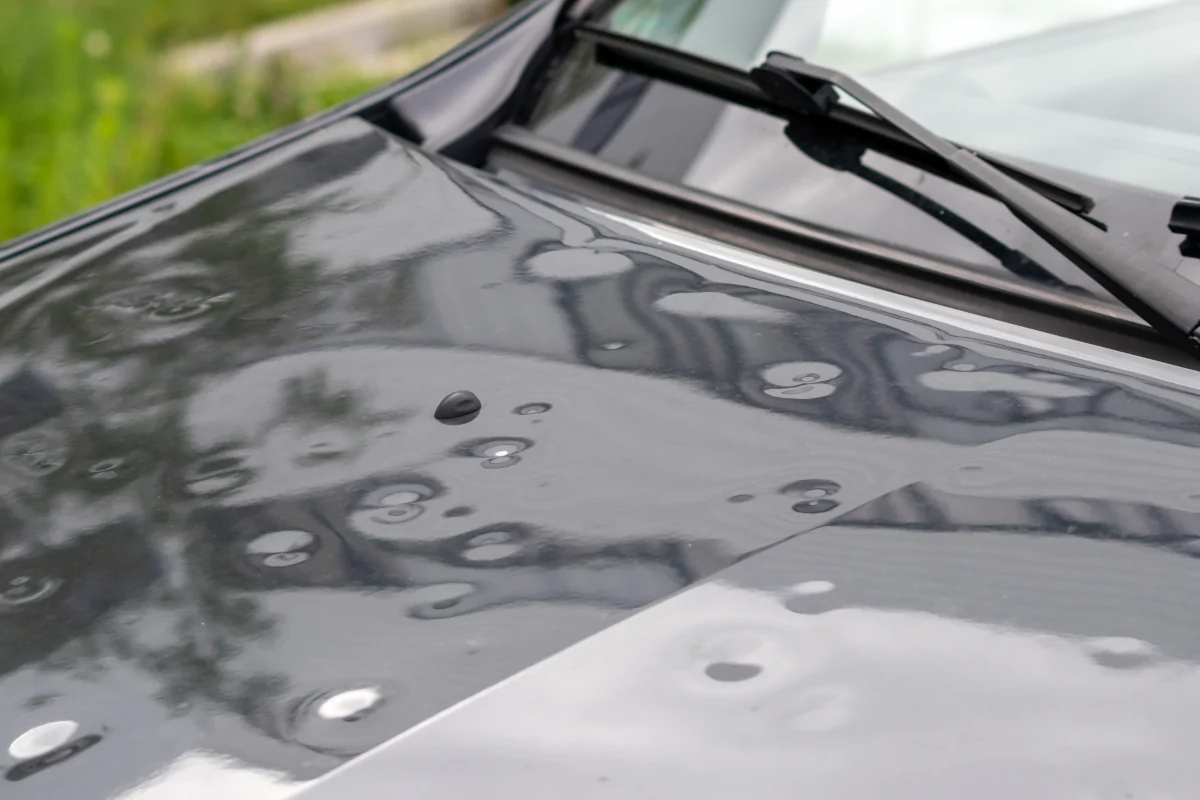
Hailstorms can move through Austin quickly, leaving vehicles with dents, cracked glass, chipped paint, and damage that may not be obvious at first glance. After the storm passes, it is important to inspect your vehicle carefully, document the damage, contact your insurance company if needed, and choose the right repair option.
Some hail damage can be repaired with paintless dent repair, while more severe damage may require traditional auto body repair, refinishing, or glass replacement. The right repair approach depends on the size and location of the dents, whether the paint was damaged, and whether the vehicle has broken glass or other related damage.
If your car was caught in a hailstorm in Austin, here are the steps to take next.
Key Takeaways
- Inspect the vehicle after the storm passes. Look for dents, cracked glass, chipped paint, damaged trim, and water intrusion.
- Document the damage before repairs begin. Photos and videos can help with insurance claims and repair estimates.
- Check your insurance coverage. Hail damage is often handled through comprehensive coverage, but deductibles and coverage details vary by policy.
- Paintless dent repair may be an option. PDR can often repair hail dents when the paint is still intact and the damage is accessible.
- Do not ignore chipped paint or broken glass. Exposed metal, cracked paint, or damaged windows can lead to additional problems if not addressed.
1. Wait Until the Storm Has Fully Passed
Before checking your vehicle, make sure the storm has moved through and it is safe to go outside. Hail can fall suddenly, and severe weather may include lightning, heavy rain, high winds, and flooding. Your safety comes first.
Once conditions are safe, inspect the vehicle from the ground. Avoid climbing onto the vehicle or putting yourself in an unsafe position just to look at roof damage. A repair shop can complete a more thorough inspection later.
2. Assess the Hail Damage
Hail damage can vary from small dings to severe dents, broken glass, and paint damage. Walk around the vehicle and look closely at the hood, roof, trunk, fenders, doors, quarter panels, mirrors, lights, and glass.
Common signs of hail damage include:
- Small round dents on the hood, roof, trunk, or body panels.
- Cracked, chipped, or shattered windshield glass.
- Broken side glass, mirrors, lights, or trim pieces.
- Chipped, cracked, or peeling paint from hail impact.
- Dents along roof rails, door edges, or panel body lines.
- Water intrusion if glass or seals were damaged.
Some hail dents are easier to see under certain lighting. If the vehicle is wet, wait until it dries or move it to a well-lit area. You may notice additional dents once the surface is clean and dry.
3. Take Photos and Videos of the Damage
Before cleaning the vehicle or scheduling repairs, take photos and videos. Good documentation can help with the insurance claim and repair estimate process.
Try to capture:
- Wide photos of the entire vehicle.
- Close-up photos of dents, chipped paint, and cracked glass.
- Photos from different angles so dents are easier to see.
- Photos of the roof, hood, trunk, doors, fenders, and quarter panels.
- Any broken glass, damaged trim, or interior water damage.
- The date and general location of the hailstorm, if available.
If the hail damage happened while your vehicle was parked at home, work, or another location, note where the vehicle was when the storm occurred. Your insurance company may ask for those details.
Hail Damage Documentation Checklist
Keep these items organized before filing a claim or requesting a repair estimate.
- Photos and videos of all visible hail damage.
- Date, time, and location of the hailstorm.
- Photos of cracked glass, chipped paint, broken lights, or damaged trim.
- Your insurance policy information.
- Your claim number, if you have already filed a claim.
- Any insurance adjuster estimate or inspection notes.
- Repair estimate from the collision repair shop.
- Rental car information, if rental coverage applies.
- Final repair paperwork and warranty information.
4. Contact Your Insurance Company
If you plan to use insurance, contact your insurance company and report the hail damage. Many policies handle hail damage through comprehensive coverage, but coverage, deductibles, and claim rules vary. Your insurer can explain what is covered, whether a deductible applies, and whether an inspection is required.
When filing the claim, be ready to provide photos, the date and location of the storm, and a description of the damage. Your insurance company may assign an adjuster or ask you to take the vehicle to a repair facility for an estimate.
If you are new to the claim process, our article on how to file an insurance claim after a car accident in Texas explains many of the same insurance steps that can apply after vehicle damage.
5. Protect the Vehicle From Further Damage
While waiting for the insurance inspection or repair appointment, take steps to protect the vehicle. This is especially important if the hail cracked glass, chipped paint, or damaged seals.
To prevent additional damage:
- Park in a garage, carport, or covered area when possible.
- Cover broken windows to keep rain and debris out.
- Avoid driving if glass damage affects visibility.
- Do not ignore chipped paint or exposed metal.
- Avoid pressing on dents or trying to pop them out yourself.
- Keep the interior dry if water entered the vehicle.
Small chips or cracked paint can become a larger issue if moisture reaches exposed metal. If the paint was damaged, the vehicle may need more than paintless dent repair.
6. Understand Your Hail Damage Repair Options
The best repair method depends on the type and severity of the hail damage. Some vehicles are good candidates for paintless dent repair, while others need traditional body repair and refinishing.
Paintless Dent Repair
Paintless dent repair, often called PDR, may be used when hail dents are shallow, accessible, and the paint is still intact. This method can often repair dents without sanding, body filler, or repainting.
PDR is commonly used for hail damage because many hail dents affect the shape of the panel without breaking the paint. However, it is not the right solution for every vehicle or every dent.
Traditional Auto Body Repair
If hail damage cracked the paint, stretched the metal, damaged body lines, or created deep dents, traditional auto body repair may be needed. This can involve repairing or replacing damaged panels, refinishing the surface, and restoring the vehicle’s appearance.
Auto Painting and Refinishing
When hail damage chips, cracks, or breaks the paint surface, the vehicle may need auto painting and refinishing. Proper refinishing helps restore the appearance of the vehicle and protects repaired panels from corrosion.
Glass, Lights, and Trim Repair
Hail can also damage windshields, windows, mirrors, lights, moldings, and trim pieces. If glass is cracked or visibility is affected, have the damage addressed before continuing to drive regularly.
7. Choose a Professional Hail Damage Repair Shop
Hail damage repair requires a careful inspection and the right repair plan. A professional repair shop can determine whether PDR is appropriate, whether body repair is needed, whether paint was damaged, and whether the insurance estimate needs to be updated.
When choosing a shop, ask:
- Do you inspect the entire vehicle for hail damage?
- Is paintless dent repair an option for my vehicle?
- What happens if paint damage or hidden damage is found?
- Can you work with the insurance estimate and supplement process?
- Will the repair include final documentation?
- Is there a warranty on the repair work?
If you are comparing shops after a hailstorm, you may also find our article on selecting the right collision center when filing an insurance claim helpful.
8. Be Careful With “Quick Fix” Hail Repair Offers
After a major hailstorm, some temporary or out-of-town repair operations may appear quickly. Some may do good work, but others may be difficult to reach later if there are questions, unfinished repairs, or warranty concerns.
Before authorizing repairs, make sure you understand who is repairing the vehicle, where the work will be performed, what repair methods will be used, how insurance communication will be handled, and what warranty or follow-up support is available.
A local collision repair shop can provide a more stable point of contact if questions come up during or after the repair.
9. Consider Future Hail Protection
You cannot prevent every hailstorm, but you can reduce your risk of damage when severe weather is expected. Austin weather can change quickly, so it helps to pay attention to alerts during storm season.
To help protect your vehicle in the future:
- Park in a garage, covered parking structure, or carport when possible.
- Move your vehicle under cover before severe weather arrives, if it is safe.
- Use a hail protection cover if you do not have covered parking.
- Sign up for weather alerts so you have more time to move the vehicle.
- Avoid parking under weak trees or branches during severe storms.
Related Austin Auto Body Repair Resources
Need Hail Damage Repair in Austin?
If your vehicle was damaged in an Austin hailstorm, Covert Collision can help inspect the damage and explain your repair options. Depending on the damage, your vehicle may need paintless dent repair, traditional auto body repair, refinishing, or related repairs for glass, lights, or trim.
Do not wait too long to address hail damage, especially if the paint is chipped, glass is cracked, or water is entering the vehicle. A professional inspection can help you understand the extent of the damage and what steps to take next.
Request a Free Online Estimate or learn more about our paintless dent repair services in Austin.