
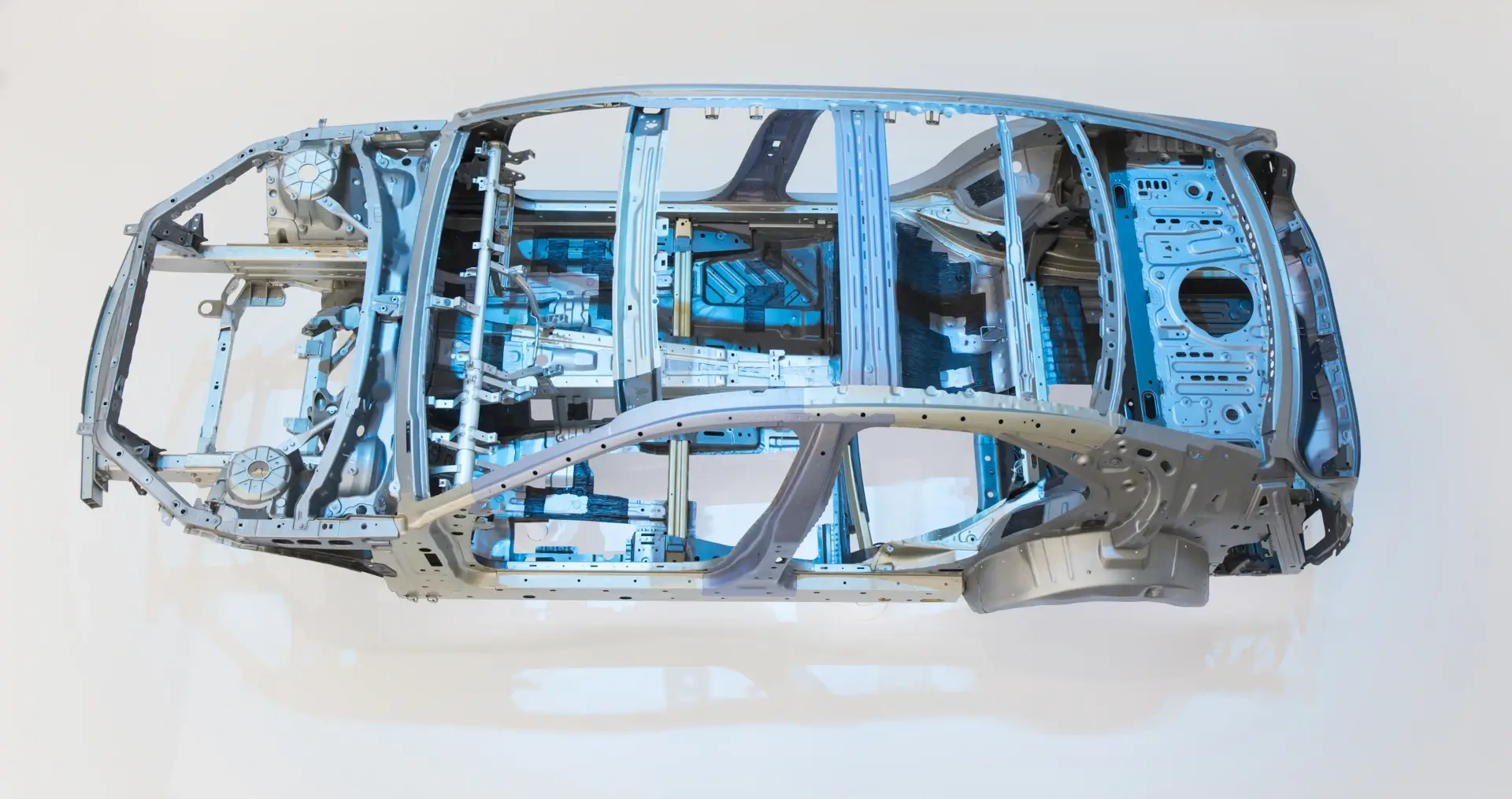
Frame damage is one of the most important types of accident damage to take seriously. Your vehicle’s frame or structural system helps support the vehicle, protect passengers, maintain proper alignment, and allow safety systems to work as designed. When that structure is damaged in a collision, the issue may affect more than appearance.
In many modern vehicles, the term “frame damage” may also refer to structural damage or unibody damage. Instead of sitting on a separate frame like many older trucks, many cars and SUVs use a unibody structure where the body and frame are integrated. Either way, damage to these areas should be inspected by a qualified collision repair professional.
If your vehicle was recently in an accident and you suspect frame or structural damage, here is what to know, what warning signs to watch for, and what steps to take next.
Key Takeaways
- Frame damage can affect safety and drivability. Structural damage may impact alignment, handling, crash protection, panel fit, and long-term vehicle value.
- Frame damage is not always obvious. Uneven gaps, pulling, unusual noises, tire wear, and doors that do not close correctly can all be warning signs.
- A professional inspection is important. Collision repair shops use measuring systems, diagnostic tools, and visual inspections to identify structural damage.
- Repair options depend on the severity of the damage. Some structural damage may be repairable, while more severe damage may require replacement sections or additional insurance review.
- Do not keep driving if the vehicle feels unsafe. Steering issues, fluid leaks, wheel damage, loose parts, or warning lights may mean the vehicle should be towed instead of driven.
What Is Frame Damage?
Frame damage happens when the structural parts of a vehicle are bent, twisted, cracked, crushed, shifted, or otherwise compromised during an accident. This can happen in front-end collisions, rear-end accidents, side impacts, curb impacts, parking lot collisions, and more serious crashes.
On some vehicles, this may involve the main frame rails or crossmembers. On many modern vehicles, it may involve unibody structure, aprons, pillars, rocker panels, radiator support areas, rear body panels, or other structural components. These areas are designed to help absorb and manage crash energy, so proper repair matters.
Because structural damage can be hidden beneath body panels, bumpers, trim, or underbody components, it is not always obvious from the outside. A vehicle can look mostly normal and still have structural concerns that need to be addressed.
1. Recognize the Signs of Frame or Structural Damage
Frame damage is not always easy to spot, especially if the vehicle still starts and drives after the accident. However, there are several warning signs that may point to structural or alignment-related damage.
Common signs of possible frame damage include:
- Uneven gaps between body panels.
- Doors, hood, or trunk that do not open or close properly.
- The vehicle pulling to one side while driving.
- A steering wheel that is off-center after the accident.
- Unusual creaking, rattling, rubbing, or clunking noises.
- Uneven tire wear after the collision.
- Visible bends, cracks, or crushed areas under the vehicle.
- Bumper, fender, hood, or trunk panels that no longer line up correctly.
- Warning lights that appear after the accident.
If you notice any of these issues, avoid assuming the damage is minor. A qualified collision repair shop can inspect the vehicle and determine whether the problem is cosmetic, mechanical, structural, or a combination of issues.
You may also want to review our guide on how to spot hidden vehicle damage after an accident.
2. Do Not Ignore Driving or Handling Changes
One of the biggest concerns with frame damage is how the vehicle drives after the accident. If the frame, unibody, suspension, wheels, or alignment were affected, the vehicle may not track properly. It may pull, vibrate, drift, or feel unstable.
These symptoms should be taken seriously. Structural and alignment-related problems can affect handling, tire wear, braking, and overall safety. If the vehicle does not feel the same after the accident, it should be inspected before being driven regularly.
If you are unsure whether the vehicle is safe to drive, read our related article: Is Your Car Safe to Drive After a Minor Accident?
3. Get a Professional Frame and Structural Inspection
A professional inspection is the best way to understand whether frame or structural damage is present. Collision repair technicians can look beyond the obvious exterior damage and check areas that may have shifted or absorbed impact.
Depending on the vehicle and damage, an inspection may involve:
- Visual inspection of damaged panels and structural areas.
- Checking panel gaps and vehicle alignment.
- Inspecting underbody areas for bends, cracks, or impact damage.
- Using measuring equipment to compare the vehicle to repair specifications.
- Scanning the vehicle for diagnostic trouble codes when needed.
- Identifying damage hidden behind bumper covers, panels, or trim.
Covert Collision provides frame and structural repair in Austin for vehicles damaged in accidents. If structural damage is found, the next step is creating a repair plan based on the vehicle, the damage, and proper repair procedures.
Frame Damage Warning Signs Checklist
After an accident, these symptoms may indicate possible frame, unibody, alignment, or structural damage.
- The vehicle pulls to one side while driving.
- The steering wheel is no longer centered.
- Doors, hood, or trunk do not close correctly.
- Body panels have uneven gaps or appear misaligned.
- You hear new rattling, creaking, rubbing, or clunking noises.
- Tires show uneven wear after the accident.
- The bumper, fenders, or lights do not line up properly.
- The vehicle feels unstable, especially at higher speeds.
- There is visible damage underneath the vehicle.
- Warning lights appeared after the collision.
4. Understand Your Frame Repair Options
Frame and structural repairs vary depending on the severity and location of the damage. Some repairs may involve realignment, pulling, measuring, sectioning, replacement of damaged components, or other structural repair procedures. The repair plan should be based on the vehicle manufacturer’s repair information and the actual damage found during inspection.
Common repair scenarios include:
- Minor structural movement: Some damage may be corrected using measuring and realignment procedures.
- Moderate structural damage: Damaged areas may need more involved repair, reinforcement, or replacement of affected sections.
- Severe structural damage: Significant damage may require extensive repairs and insurance review to determine whether repair is practical.
Not every vehicle with frame damage is automatically a total loss, but serious structural damage can affect repair cost and insurance decisions. The insurance company will usually consider the vehicle’s value, the estimated repair cost, and the severity of the damage when deciding how to proceed.
5. Work With Your Insurance Company
If the frame damage was caused by a covered accident, your insurance company may be involved in the repair process. You will typically need to report the claim, provide accident details, and have the damage inspected or estimated.
Frame damage can sometimes lead to supplemental estimates. This happens when additional damage is discovered after the initial estimate, often during disassembly. For example, a bumper or panel may need to be removed before the shop can see the full extent of structural damage behind it.
To help the process go smoothly:
- File your claim promptly.
- Take photos of the damage before repairs begin.
- Keep your claim number and adjuster information handy.
- Ask the repair shop to explain the estimate and any supplements.
- Keep copies of the final repair invoice and repair documentation.
For more help with this topic, visit our guide on how to file an insurance claim after a car accident in Texas.
6. Choose the Right Collision Repair Shop
Frame and structural repair should not be treated like a basic cosmetic repair. The shop should understand proper measuring, structural repair procedures, parts replacement, refinishing, and safety-related documentation. A poor repair can lead to alignment problems, uneven panel gaps, premature tire wear, warning lights, or long-term safety concerns.
When choosing a shop for frame damage, look for:
- Experience with frame and structural repair.
- Proper measuring and repair equipment.
- Technicians trained in modern collision repair procedures.
- Clear communication about the estimate and repair plan.
- Experience working with insurance claims and supplements.
- Documentation of completed repairs.
- A repair warranty or clear explanation of warranty coverage.
You may also find this article helpful: Why Certified Collision Repair Matters for Your Vehicle.
Can You Drive a Vehicle With Frame Damage?
It depends on the damage, but this is not something to guess about. If the vehicle has steering problems, braking issues, fluid leaks, loose parts, damaged wheels, warning lights, or obvious structural concerns, it should not be driven until it is inspected.
Even if the vehicle seems drivable, frame damage can affect alignment, tire wear, handling, and safety. If something feels wrong, towing the vehicle to a collision repair shop may be the safer choice.
For more information, read Driving a Damaged Vehicle in Austin Is Dangerous.
Does Frame Damage Affect Vehicle Value?
Frame or structural damage can affect a vehicle’s value, especially if the repair is not completed properly or documented clearly. Buyers, dealerships, and insurance companies may look more closely at vehicles that have a history of structural repair.
That does not mean the vehicle cannot be repaired correctly. It does mean the repair should be handled carefully and documented well. Keeping your final repair invoice, insurance estimate, supplement information, and warranty paperwork can be helpful if you sell or trade the vehicle later.
What Happens During a Frame Repair Estimate?
A frame repair estimate may begin with visible damage, but the full repair plan may not be clear until the vehicle is inspected more deeply. In some cases, parts need to be removed so the shop can identify hidden structural damage.
A frame or structural repair estimate may include:
- Disassembly to reveal hidden damage.
- Measuring and structural analysis.
- Labor for repair or replacement of damaged components.
- Replacement parts, hardware, and related materials.
- Paint and refinishing work.
- Diagnostic scans or safety system checks when needed.
- Supplement documentation for the insurance company.
To learn more about estimates, visit Understanding Your Collision Repair Estimate.
Related Austin Collision Repair Resources
Need Frame or Structural Repair in Austin?
If your vehicle’s frame or structure was damaged in an accident, do not ignore it. Structural damage can affect safety, alignment, drivability, appearance, and long-term vehicle value. A professional inspection can help determine the extent of the damage and what repairs may be needed.
Covert Collision helps Austin-area drivers with frame and structural repair, collision repair, auto body repair, and auto painting and refinishing.
Request a Free Online Estimate or contact Covert Collision to get started.