
After an accident, choosing the right collision repair shop matters. A damaged vehicle should not only look good when repairs are complete. It should also be repaired with the right procedures, parts, equipment, and attention to safety. That is why certified collision repair is an important topic for vehicle owners to understand.
Certified collision repair generally means a repair facility has met certain training, equipment, tooling, process, or manufacturer-related standards. Depending on the certification, this may include technician training, repair procedure access, equipment requirements, quality controls, and ongoing updates as vehicles change.
For Austin drivers, this matters because modern vehicles are more complex than ever. Many vehicles include advanced materials, sensors, cameras, driver-assist systems, crumple zones, and structural components that must be repaired correctly after a collision.
Key Takeaways
- Certified collision repair is about more than appearance. The goal is to restore the vehicle’s safety, structure, fit, finish, and functionality after an accident.
- Modern vehicles require proper repair procedures. Sensors, safety systems, frame components, advanced materials, and manufacturer guidelines can all affect the repair process.
- Training and equipment matter. Certified repair facilities often invest in technician training, specialized tools, measuring systems, and quality control processes.
- Parts selection can affect the repair. OEM, aftermarket, and recycled parts may all be involved depending on the claim, vehicle, and repair plan.
- Documentation is important. Clear repair records can help explain what was repaired, what parts were used, and what procedures were performed.
What Is Certified Collision Repair?
Certified collision repair refers to repair work performed by a shop that has met specific requirements set by a manufacturer, industry organization, or certification program. The exact meaning depends on the certification, but the general purpose is to help ensure the shop has the training, tools, equipment, and processes needed to repair modern vehicles properly.
In the past, many auto body repairs were more straightforward. Today, vehicles may include aluminum, high-strength steel, advanced electronics, driver-assist technology, radar sensors, cameras, and engineered crash structures. Repairing those vehicles correctly requires more than general body work experience.
A certified or properly equipped collision repair shop understands that the repair process should follow approved procedures whenever possible. That includes structural repair, parts replacement, refinishing, measuring, scanning, and safety-related inspections.
1. Certified Repairs Help Follow Manufacturer Procedures
One of the biggest reasons certified collision repair matters is that vehicles are engineered to be repaired in specific ways. Manufacturer repair procedures may outline how panels should be removed, which parts can be repaired or replaced, where welds should be placed, what materials can be used, and when certain components require additional inspection.
This is especially important after a serious accident, but it can also matter after a minor-looking collision. A bumper, fender, door, quarter panel, hood, or frame component may have specific repair instructions that affect the final result.
A certified repair approach may include:
- Researching manufacturer repair procedures.
- Using approved repair methods and equipment.
- Checking structural measurements when needed.
- Following refinishing and corrosion protection steps.
- Documenting parts, labor, and repair decisions.
If your vehicle has structural damage, our frame and structural repair services can help address safety-related repair concerns after a collision.
2. Proper Repairs Help Protect Vehicle Safety
Vehicle safety depends on more than airbags and seat belts. The structure of the vehicle, bumper system, crumple zones, sensors, restraint systems, and frame components are all designed to work together. After an accident, those systems may be affected even if the damage does not look severe from the outside.
For example, a front-end collision may damage bumper reinforcements, brackets, sensors, headlights, cooling components, or structural areas behind the visible bumper cover. A side impact may affect doors, rocker panels, pillars, or wheel alignment. A rear-end accident may damage trunk areas, rear body panels, sensors, or hidden supports.
Certified collision repair helps reduce the chance of shortcuts by focusing on proper repair methods, documentation, and safety-related procedures. If you are unsure whether your vehicle is safe after a crash, read our article, Is Your Car Safe to Drive After a Minor Accident?
3. Modern Vehicles Often Require Advanced Equipment
Today’s vehicles can require specialized equipment for measuring, welding, diagnostics, refinishing, and repair planning. Some repairs may involve advanced materials, specific attachment methods, electronic systems, or calibration-related steps.
A repair facility that invests in training and equipment is better prepared to handle these details. That can matter for visible repairs, but it is especially important for hidden damage, structural damage, and safety-related systems.
Examples of equipment and processes that may be involved include:
- Vehicle scanning and diagnostic checks.
- Frame measuring and structural repair equipment.
- Specialized welding or joining equipment.
- Paint matching and refinishing systems.
- Repair documentation and quality control checks.
For drivers dealing with accident damage, Covert Collision provides collision repair in Austin, along with auto body repair and auto painting and refinishing.
4. Parts Selection Can Affect the Final Repair
After a collision, the estimate may include different types of replacement parts. Depending on the vehicle, insurance claim, repair plan, and damage, the repair may involve OEM parts, aftermarket parts, recycled parts, or repaired original components.
Certified repair facilities are more likely to understand when parts selection matters and how different parts may affect fit, safety, performance, appearance, and warranty considerations. The right part choice can be especially important for structural components, safety-related parts, sensors, lights, and panels that affect fit and finish.
This does not mean every repair automatically requires OEM parts. It does mean the repair plan should be thoughtful, documented, and based on the vehicle and damage involved.
For more detail, visit our guide on why OEM parts matter in collision repair.
5. Certified Repairs Can Help Preserve Vehicle Value
A poorly repaired vehicle can create problems long after the repair is complete. Uneven panel gaps, mismatched paint, unresolved structural damage, wind noise, water leaks, warning lights, or premature paint issues can affect your confidence in the vehicle and may impact resale or trade-in value.
Quality repairs and clear documentation can help show what was repaired and how the repair was completed. This can be useful if you keep the vehicle long term or decide to sell or trade it later.
Good repair documentation may include:
- The final repair invoice.
- Parts used during the repair.
- Insurance estimate and any supplement information.
- Photos or documentation of damage and repair stages.
- Warranty information from the repair facility.
6. Insurance Claims May Be Easier With the Right Repair Shop
Many collision repair shops work with insurance companies every day. A shop that understands the claim and repair process can help document vehicle damage, prepare an estimate, identify hidden damage, communicate repair needs, and submit supplement information when additional damage is found.
Your insurance company may recommend certain shops, but you have the right to choose the collision repair facility you trust. The important thing is choosing a shop that can properly explain the damage, repair plan, estimate, parts, and timeline.
If you are currently dealing with a claim, our guide on how to file an insurance claim after a car accident in Texas may help you understand the next steps.
Questions to Ask Before Choosing a Collision Repair Shop
Before authorizing repairs, it can help to ask a few questions about the shop, the repair plan, and the process.
- What experience does the shop have with my vehicle make and type of damage?
- Will the shop follow manufacturer repair procedures when applicable?
- What types of parts are being used in the repair?
- Will the vehicle be inspected for hidden damage after disassembly?
- Can the shop explain the estimate and any possible supplements?
- Does the shop provide documentation of the completed repair?
- Is there a warranty on the repair work?
- How will I be updated during the repair process?
- Will any safety systems, sensors, or warning lights need to be checked?
Why Certified Collision Repair Matters After Minor Accidents Too
Certified repair is not only important after major collisions. Minor accidents can also affect hidden parts of the vehicle. A parking lot impact, fender bender, side swipe, or rear-end collision may damage brackets, sensors, lights, wheels, alignment, or parts behind the bumper cover.
Because the damage is not always obvious, it is important to have the vehicle inspected by a qualified collision repair professional. What looks like cosmetic damage may involve underlying repair needs.
If you are unsure what to do after a crash, start with our Austin car accident repair guide.
Related Austin Collision Repair Resources
Choose Covert Collision for Collision Repair in Austin
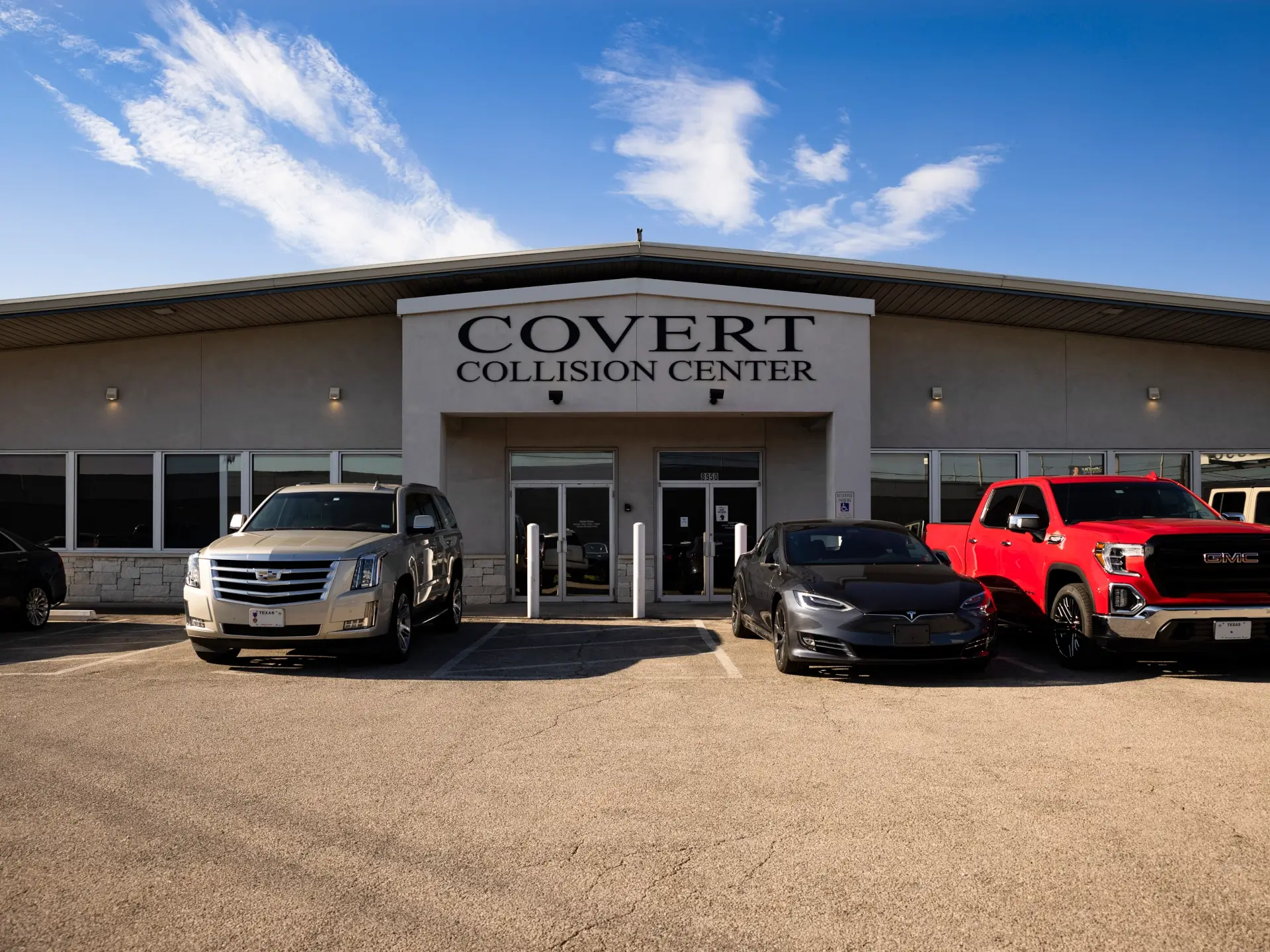
After an accident, the quality of the repair matters. Your vehicle should be inspected carefully, repaired properly, and returned to you with confidence. Covert Collision helps Austin-area drivers with collision repair, auto body repair, frame and structural repair, refinishing, and insurance-related repairs.
Whether your vehicle has visible body damage, hidden damage, frame concerns, paint damage, or questions related to an insurance claim, our team can help you understand the repair process and next steps.
Request a Free Online Estimate or learn more about our Austin collision repair services.