
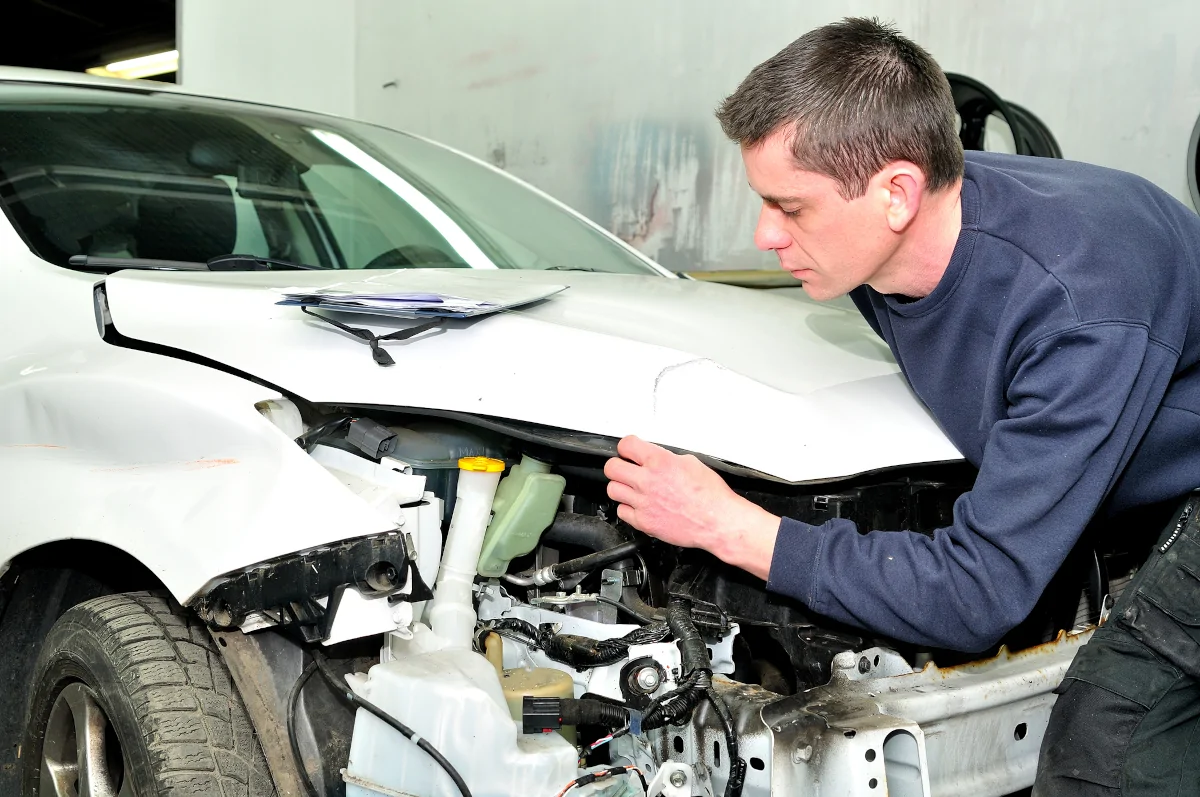
When your vehicle is damaged in an accident, it’s easy to focus on the most obvious questions first.
How bad is the damage?
How long will the repair take?
Will insurance cover it?
Can the vehicle be safely driven?
Those are all important. But there’s another question that often gets overlooked until the repair estimate is already written:
What kind of replacement parts will be used?
In collision repair, the parts used can affect far more than how your vehicle looks when the work is finished. They can impact fit, safety, long-term durability, resale value, warranty coverage, and even how well certain vehicle systems perform after the repair.
That’s why many drivers ask about OEM parts after an accident. OEM stands for Original Equipment Manufacturer, and understanding what that means can help you make better decisions during the repair process.
If your vehicle has been damaged and you’re looking for collision repair in Austin, here’s what you should know about OEM parts, aftermarket parts, and why the difference matters.
Key Takeaways: What Austin Drivers Should Know About OEM Parts
- OEM parts are made to match your vehicle’s original specifications. They are designed for proper fit, function, and compatibility with your specific make and model.
- Parts choice can affect more than appearance. The right replacement parts can impact safety systems, structural performance, repair quality, and long-term durability.
- Insurance coverage for OEM parts depends on your policy. Some policies include OEM coverage, while others may specify aftermarket, recycled, or reconditioned parts.
- A detailed repair estimate can show what parts are being used. Look for terms like OEM, aftermarket, recycled, reconditioned, remanufactured, or LKQ.
- The right collision repair shop should explain your options clearly. A trustworthy shop will help you understand the estimate, the parts being used, and how the repair may affect your vehicle.
What Are OEM Parts?
OEM parts are replacement parts made by, or specifically for, the original manufacturer of your vehicle. In simple terms, they are designed to match the parts your vehicle had when it left the factory.
For example, if you drive a Ford, Chevrolet, Tesla, Cadillac, or another brand, OEM parts are built to match that vehicle’s original design, measurements, materials, and performance expectations.
Aftermarket parts are different. These are parts made by third-party companies that are not the original vehicle manufacturer. Some aftermarket parts may work fine in certain situations, but quality and fit can vary depending on the part, the manufacturer, and the repair being performed.
That does not mean every aftermarket part is automatically bad. It does mean the choice deserves attention, especially after a collision.
Collision repair is not just about replacing a damaged panel and making the vehicle look good again. Modern vehicles are engineered systems. Parts, sensors, brackets, panels, and structural components all work together. When one of those pieces is replaced, the quality and fit of that replacement can matter a great deal.
OEM Parts Are Designed to Fit the Vehicle Properly
One of the biggest advantages of OEM parts is fit.
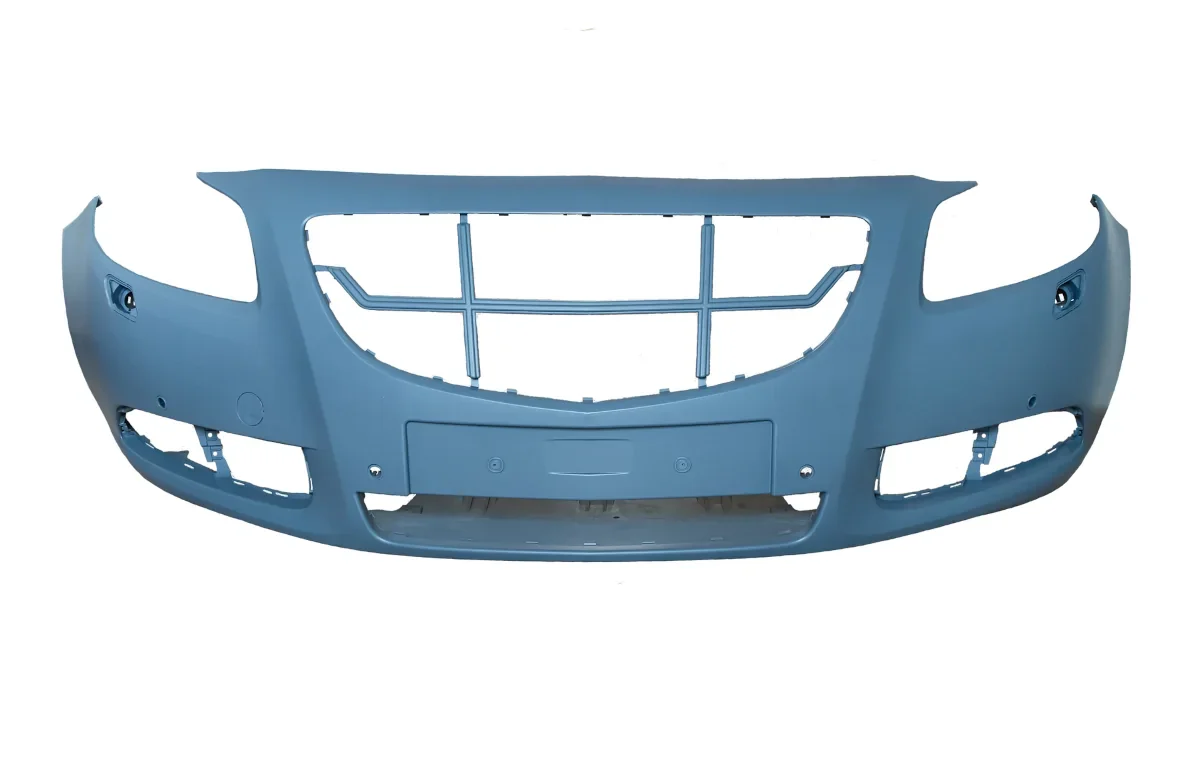
Because OEM parts are designed for your specific vehicle, they typically line up with the original mounting points, body lines, clips, brackets, and surrounding components. That can make a noticeable difference in both the repair process and the finished result.
With collision repair, small fitment issues can create bigger headaches. A bumper cover that does not line up properly may leave uneven gaps. A replacement fender that is slightly off may affect how the hood or door sits. A bracket that does not match the original design may make it harder to secure sensors or trim correctly.
A good repair should not look “close enough.” It should restore the vehicle as closely as possible to its pre-accident condition.
That is especially important with auto body repair in Austin, where exterior panels, trim, clips, paint, and alignment all have to come together cleanly. OEM parts can help reduce guesswork because they are designed to match the vehicle from the start.
Better fit can also help reduce repair delays. If a part arrives and does not fit correctly, the shop may need to modify it, reorder it, or spend extra time making adjustments. That can slow down the repair and create frustration for everyone involved.
Parts Choice Can Affect Vehicle Safety
This is where OEM parts become more than a cosmetic issue.
Today’s vehicles are built with advanced safety systems. Depending on the model, your vehicle may include airbags, crumple zones, radar sensors, cameras, blind spot monitoring, lane assistance systems, parking sensors, and other safety-related technology.
Many of those systems depend on exact placement and proper fit. A sensor bracket that is slightly different from the original design may affect calibration. A bumper component that does not match factory specifications may change how energy is absorbed in another impact. A structural part that is not built to the same standard may not perform the way the vehicle manufacturer intended.
That does not mean every repair requires every part to be OEM. But it does mean parts choice should not be treated as a minor detail.
Collision repair is about restoring safety, not just appearance. If your vehicle has structural damage, hidden damage, or damage near important safety components, the parts used in the repair become even more important.
This is one reason it helps to work with a shop that understands frame and structural repair and knows how to evaluate damage beyond what is visible on the outside. If you are unsure whether the damage is only cosmetic, it may also help to read more about hidden vehicle damage after an accident.
OEM Parts Can Support Better Repair Quality
A finished collision repair should look right, fit right, and hold up over time.
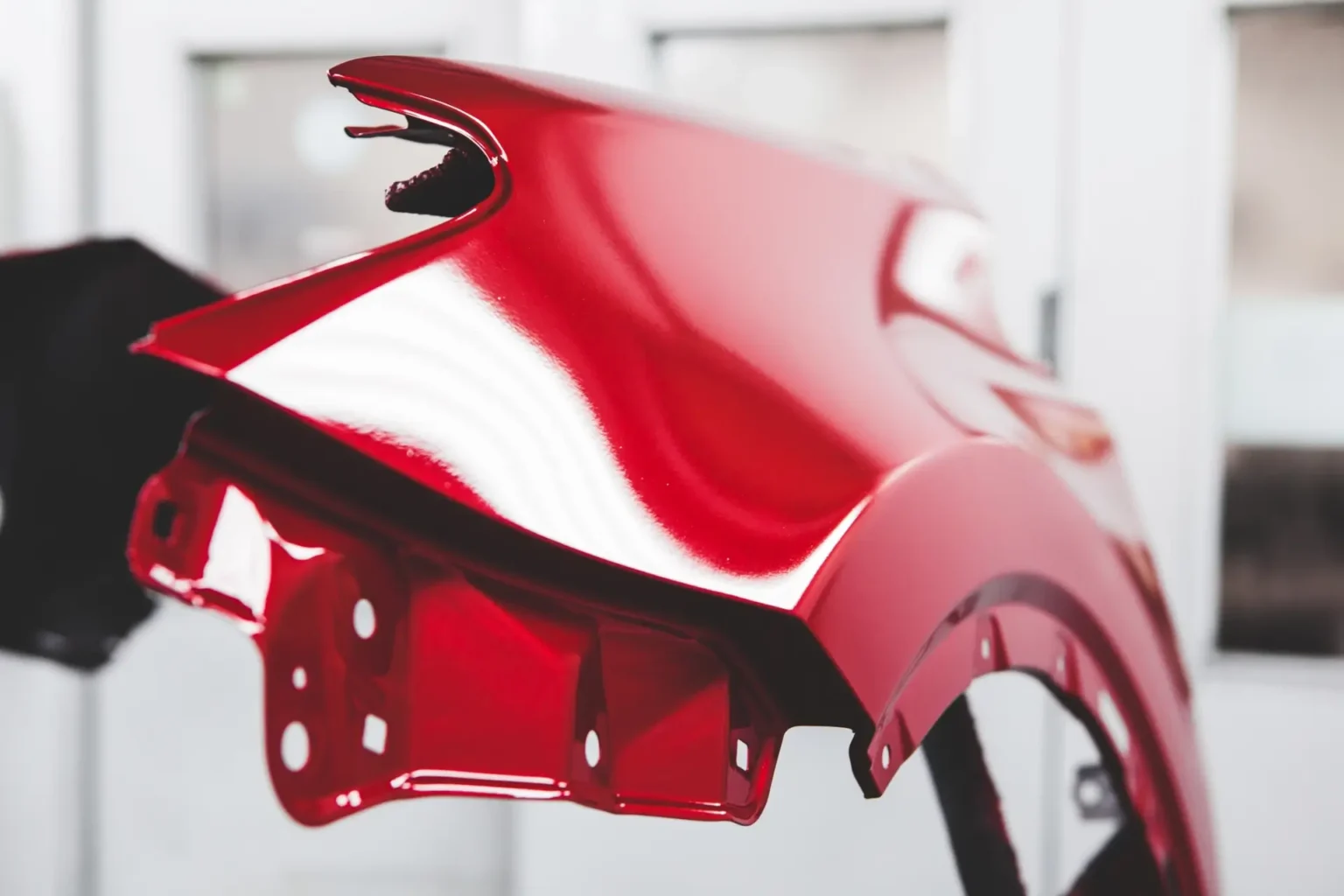
OEM parts can help support that goal because they are designed to match the original materials and specifications of the vehicle. That can be especially helpful with exterior parts such as bumpers, doors, fenders, hoods, trim pieces, and other visible components.
Fit matters for appearance. Material quality matters for durability. Surface quality can matter for refinishing.
For example, if a replacement panel does not have the right shape or finish quality, it may require extra prep work before paint. If a part does not align properly, the final repair may show uneven gaps or fitment issues. If trim or clips do not attach the way they should, the vehicle may not feel fully restored.
This becomes especially important when the repair includes paintwork. Quality refinishing depends on proper prep, panel alignment, and a smooth surface. A well-fitted part gives the technician a better foundation for a clean final result.
If your repair includes paint blending or panel refinishing, it is worth learning more about auto painting and refinishing and how that process affects the final appearance of your vehicle.
OEM Parts, Resale Value, and Lease Requirements
Most people do not think about resale value immediately after an accident. They just want the vehicle repaired and back on the road. That’s understandable.
But the way a vehicle is repaired can matter later.
When a dealership, buyer, or appraiser reviews a vehicle’s history, they may look at the quality of past repairs. A vehicle repaired with proper documentation, quality parts, and professional workmanship may give future buyers more confidence than one with unclear or questionable repairs.
OEM parts can help preserve the vehicle closer to its original condition. That does not erase the fact that an accident happened, and it does not guarantee a specific resale value. But it can support a better-quality repair and stronger repair documentation.
Lease vehicles are another important consideration. Some lease agreements may require repairs to follow certain standards. In some cases, that may include the use of OEM parts or manufacturer-approved repair procedures. If you return a leased vehicle with repairs that do not meet the lease requirements, you could potentially face additional charges.
Before authorizing repairs on a leased vehicle, review your lease agreement and ask the repair shop and insurance company what parts are being used.
Will Insurance Pay for OEM Parts?
This is one of the most common questions drivers have after an accident.
The honest answer is: it depends on your policy.
Some insurance policies include OEM part coverage, especially for newer vehicles or for customers who selected an OEM endorsement. Other policies may allow the insurer to specify aftermarket, recycled, reconditioned, or alternative parts.
That does not mean you cannot ask for OEM parts. You can. But whether they are fully covered depends on the terms of your policy, the age of the vehicle, the type of part, and the insurance company’s estimate.
A good first step is to ask for a detailed written estimate. Look at how the parts are listed. If you see terms you do not understand, ask the shop to explain them.
Common part labels may include:
-
- OEM
-
- Aftermarket
-
- Recycled
-
- Reconditioned
-
- Remanufactured
-
- LKQ, which often means “like kind and quality”
If you are not sure what your insurance company is allowing, ask directly. You can also ask the repair shop to help you understand the estimate.
For more help with this part of the process, visit Covert Collision’s page on the insurance claim process. You may also want to review this guide on how to file an insurance claim after a car accident in Texas once that article has been cleaned up and finalized.
A quick note: insurance rules and policy details can vary. Always review your own policy and ask your insurer for clarification before making repair decisions.
Before reviewing your estimate, it can help to understand the basic differences between OEM and aftermarket parts.
OEM vs. Aftermarket Parts: Quick Comparison
| Factor | OEM Parts | Aftermarket Parts |
|---|---|---|
| Fit | Designed to match the vehicle’s original specifications. | Fit can vary depending on the part and manufacturer. |
| Quality | Built to the vehicle manufacturer’s standards. | Quality may range from excellent to inconsistent. |
| Safety Systems | Designed to work with the vehicle’s original engineering and safety systems. | May not always match original design, placement, or material standards. |
| Warranty | Often backed by a manufacturer warranty. | Warranty coverage varies by supplier. |
| Insurance | May be covered depending on the policy and vehicle. | Often used by insurers to control repair costs. |
| Best Use | Often preferred for newer vehicles, leased vehicles, structural repairs, and sensor-related repairs. | May be acceptable for some non-structural repairs, older vehicles, or budget-driven repairs. |
Questions to Ask Before Repairs Begin
- Are the replacement parts OEM, aftermarket, recycled, or reconditioned?
- Will these parts affect sensors, cameras, calibration, or safety systems?
- Does my insurance policy cover OEM parts for this repair?
- Are OEM parts required or recommended for my specific vehicle?
- Will I receive documentation showing what parts were used?
How to Know What Parts Are Being Used
You do not have to be a collision repair expert to ask smart questions.
Before repairs begin, ask the shop for a clear explanation of the estimate. A reputable repair shop should be willing to walk you through the parts being used and explain why those parts are recommended.
Here are a few questions worth asking:
Are the replacement parts OEM, aftermarket, recycled, or reconditioned?
This helps you understand exactly what is included in the estimate.
Will the parts affect safety systems or calibration?
This is especially important if the repair involves sensors, cameras, bumpers, structural components, or electronic safety features.
Are OEM parts required or recommended for this repair?
Some repairs may be more sensitive than others. Ask the shop to explain the difference.
Will the parts come with a warranty?
OEM parts often include manufacturer-backed warranty coverage, but warranty terms can vary.
Can I get documentation after the repair is complete?
Good repair records can be useful for future resale, lease returns, and peace of mind.
If you want to better understand what you are looking at, Covert Collision has a helpful article on understanding your collision repair estimate.
Are Aftermarket Parts Always Bad?
No. And this is where the conversation needs to be honest.
Aftermarket parts are not automatically bad. Some can be high quality and may be appropriate depending on the vehicle, the age of the vehicle, the type of damage, the customer’s insurance policy, and the specific part being replaced.
For example, a non-structural part on an older vehicle may not carry the same concerns as a structural component or a sensor-related part on a newer vehicle. In other situations, OEM parts may be the better choice because of fit, safety, warranty, or manufacturer repair procedures.
The key is not to assume. The key is to understand what is being used and why.
A good collision repair shop should not pressure you with vague answers. They should explain the options clearly, help you understand the estimate, and make recommendations based on the repair, the vehicle, and the standards needed to restore it properly.
Why the Right Collision Repair Shop Matters
After an accident, most drivers are dealing with a lot at once. There may be insurance calls, rental vehicle questions, towing issues, missed work, and the stress of not knowing how serious the damage really is.
The right repair shop can make the process easier.
A good collision repair shop will:
-
- Inspect the visible and hidden damage
-
- Explain the repair estimate clearly
-
- Help you understand what parts are being used
-
- Communicate with the insurance company
-
- Follow proper repair procedures
-
- Document the repair
-
- Focus on safety, fit, and long-term quality
That matters because the cheapest repair is not always the best repair. The fastest repair is not always the safest repair. And a vehicle that looks good from a distance may still have issues if the wrong parts or procedures were used.
If you are comparing repair options, take time to learn how to choose the best collision repair shop in Austin. The shop you choose can have a direct impact on your experience, your repair quality, and your confidence when you get back behind the wheel.
Have Questions About OEM Parts After an Accident?
OEM parts matter because they can affect fit, safety, warranty coverage, repair quality, and long-term vehicle value. They are not the only factor in a proper collision repair, but they are an important part of the conversation.
If your vehicle has been damaged in an accident, do not be afraid to ask what parts are being used. Ask for a detailed estimate. Ask how the parts may affect safety systems, fit, refinishing, warranty, and resale value. A trustworthy repair shop should be willing to explain the repair clearly before work begins.
Covert Collision helps Austin drivers understand their repair options and move through the collision repair process with more confidence. If you have questions about OEM parts, insurance estimates, or the right repair approach for your vehicle, you can request a free online estimate to get started.
Frequently Asked Questions About OEM Parts in Collision Repair
What does OEM mean in collision repair?
OEM stands for Original Equipment Manufacturer. In collision repair, OEM parts are replacement parts made by or for the original manufacturer of your vehicle. They are designed to match the vehicle’s original specifications for fit, function, and performance.
Are OEM parts better than aftermarket parts?
OEM parts are often preferred because they are designed specifically for your vehicle and usually offer consistent fit, quality, and warranty support. However, not every aftermarket part is automatically poor quality. The best choice depends on the vehicle, the type of damage, the part being replaced, and your insurance policy.
Can I request OEM parts after an accident?
Yes, you can request OEM parts. Whether insurance will pay for them depends on your policy, vehicle age, coverage, and the insurance company’s estimate. Ask your repair shop and insurer to explain what parts are included before repairs begin.
Will using aftermarket parts affect my vehicle’s value?
It can, depending on the vehicle, repair type, part quality, and future buyer or dealership expectations. OEM parts may help preserve confidence in the repair because they are designed to match the vehicle’s original specifications. Repair documentation is also important.
How do I know if my estimate includes OEM parts?
Ask for a line-by-line repair estimate and look closely at the part descriptions. You may see labels such as OEM, aftermarket, recycled, reconditioned, remanufactured, or LKQ. If you are unsure what a label means, ask the shop to explain it before authorizing repairs.
Do lease vehicles require OEM parts?
Some lease agreements may require repairs to meet certain standards, which may include OEM parts or manufacturer-approved procedures. If your vehicle is leased, review your lease agreement and ask the repair shop and insurance company about requirements before repairs begin.