
Being involved in a car accident can be stressful, confusing, and disruptive. Even a minor crash can leave you wondering whether your vehicle is safe to drive, whether you need to call the police, how to handle insurance, and where to take your car for repairs. For Austin drivers, the best thing you can do after an accident is slow down, focus on safety, and take the process one step at a time.
This guide walks through what to do after a car accident in Austin, from checking for injuries and documenting the scene to filing an insurance claim and choosing a trusted collision repair shop. The exact steps may vary depending on the severity of the accident, but the overall goal is the same: protect yourself, document what happened, and make sure your vehicle is repaired properly.
Key Takeaways
- Start with safety first. Check for injuries, move to a safe location if possible, and call 911 when emergency help is needed.
- Document the accident carefully. Photos, videos, driver information, witness details, and a police report can all help support your insurance claim.
- Report the accident to your insurance company promptly. Your insurer can explain the claim process, rental coverage, deductible, and next steps.
- Do not assume minor damage is only cosmetic. A bumper, wheel, frame component, sensor, or panel may have hidden damage that is not obvious at the scene.
- You can choose your collision repair shop. Your insurance company may suggest repair facilities, but you can choose the auto body shop you trust.
Step 1: Check for Injuries and Move to a Safe Location
The first priority after any accident is safety. Check yourself, your passengers, and anyone else involved for injuries. If anyone is hurt, call 911 right away and wait for emergency responders. If the vehicles are blocking traffic and it is safe to move them, move to the side of the road, a nearby parking lot, or another safe area. Turn on your hazard lights and stay aware of traffic around you. Austin roads can be busy, and secondary accidents can happen when drivers remain exposed near moving vehicles. If the vehicle cannot be moved, or if moving it could create additional danger, stay in a safe place and wait for help.Step 2: Call the Police When Needed
In many accidents, especially those involving injuries, major property damage, a disabled vehicle, a possible impaired driver, or a dispute about what happened, it is wise to contact local law enforcement. A police report can provide an official record of the accident and may be helpful when filing an insurance claim. Even if the accident seems minor, you may still want a report or incident number for your records. Insurance companies often ask for details from the scene, and having a report can make the process easier later.Step 3: Exchange Information With the Other Driver
Once everyone is safe, exchange information with the other driver or drivers involved. Try to stay calm and avoid arguing about fault at the scene. The police report, insurance companies, photos, and statements can help sort out those details later. At minimum, try to collect:- Name and contact information for each driver.
- Insurance company and policy information.
- Driver’s license information.
- License plate number.
- Vehicle year, make, model, and color.
- Names and contact information for witnesses, if available.
Step 4: Document the Accident Scene
Good documentation can make a big difference during the insurance and repair process. Take clear photos and videos before the vehicles are moved, if it is safe. Capture wide-angle shots of the entire scene as well as close-up photos of the damage. Helpful photos may include:- All damaged areas of each vehicle.
- Vehicle positions after the accident.
- Traffic signs, signals, lane markings, or intersections.
- Skid marks, debris, fluid leaks, or broken parts.
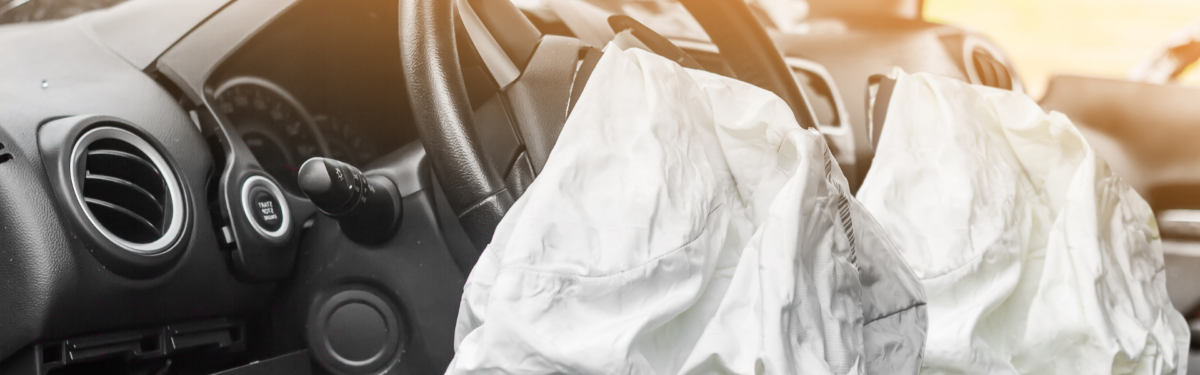
- Airbags if they deployed.
- The surrounding roadway and weather conditions.
Accident Information Checklist
Keeping these details organized can help make the insurance claim and repair process smoother.
- Photos and videos from the accident scene.
- The other driver’s name, phone number, and insurance information.
- License plate numbers for all vehicles involved.
- Police report number or incident number, if available.
- Names and contact information for witnesses.
- Your insurance claim number.
- Photos of the vehicle before repairs begin.
- Repair estimate and insurance adjuster estimate.
- Rental car, towing, or storage paperwork, if applicable.
- Final repair paperwork and warranty information from the repair shop.
Step 5: Contact Your Insurance Company
After leaving the scene, contact your insurance company and report the accident. You may be asked to provide the date, time, location, photos, police report information, and a description of what happened. Your insurer may assign an adjuster to review the claim and explain your coverage. This is also a good time to ask about your deductible, rental car coverage, towing coverage, and whether you need an initial insurance estimate before repairs begin. Some insurance companies may recommend certain shops, but you are not required to choose a repair facility simply because it appears on an insurer’s list. For a deeper look at this process, read our guide on how to file an insurance claim after a car accident in Texas.Step 6: Be Careful About Driving the Vehicle After the Accident
One of the most common questions after a collision is whether the vehicle is still safe to drive. Sometimes the answer is obvious. If there are leaking fluids, warning lights, damaged tires, loose body panels, steering problems, brake issues, broken lights, or deployed airbags, the vehicle should not be driven until it has been inspected. Other times, the damage looks minor. The bumper may only have scratches. The vehicle may still start and move. However, modern vehicles are designed with sensors, structural components, brackets, absorbers, cameras, and safety systems that may be affected by an impact. Damage behind the bumper cover is especially easy to miss without a proper inspection. If you are unsure, it is better to have the vehicle checked by a qualified collision repair facility. You can also read more about this topic in our article, Is Your Car Safe to Drive After a Minor Accident?Step 7: Choose a Collision Repair Shop in Austin
After the claim is started and the vehicle is safe, the next step is choosing where to have it repaired. This is an important decision. Collision repair is not just about making the vehicle look good again. Proper repairs can affect safety, fit, finish, drivability, vehicle value, and long-term reliability. When comparing shops, look for:- Experience with collision repair and auto body repair.
- Proper tools, equipment, and repair procedures.
- Clear communication throughout the repair process.
- Experience working with insurance companies.
- Good reviews and a strong local reputation.
- Knowledge of structural, frame, paint, and refinish repairs.