
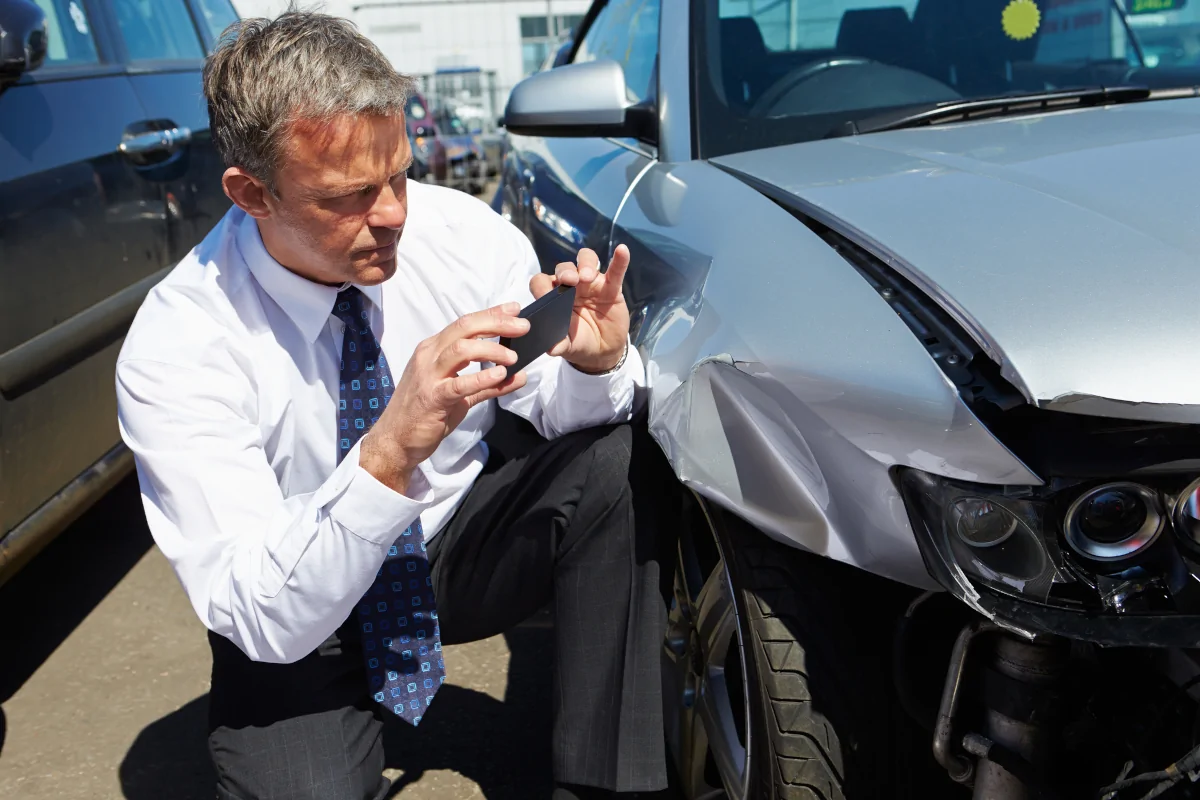
A car accident can be stressful, even when the damage looks minor. Between checking for injuries, exchanging information, dealing with insurance, arranging repairs, and trying to get back to your normal routine, it can be hard to know what to do first.
If you were involved in an accident in Texas, filing the insurance claim correctly can help reduce delays and make the repair process smoother. The steps you take immediately after the accident can also help protect your claim, document the damage, and make it easier for the repair shop and insurance company to understand what happened.
This guide walks through the basic steps to file an insurance claim after a car accident in Texas, what information to collect, how the repair estimate process works, and what Austin drivers should know before choosing a collision repair shop.
Key Takeaways
- Start with safety first. Check for injuries, move to a safe location if possible, and call 911 when needed.
- Document the accident carefully. Photos, videos, driver information, witness details, and a police report can all help support your claim.
- Contact your insurance company promptly. Most insurers expect accidents to be reported quickly, even if the damage appears minor.
- You have the right to choose your repair shop. Your insurance company may recommend a shop, but you can choose the collision repair facility you trust.
- Hidden damage is common after a collision. If additional damage is found during repairs, the shop may need to submit a supplement to the insurance company.
Insurance Claim Timeline After a Car Accident
At the Scene
What to do: Check for injuries, move to safety if possible, call 911 when needed, and exchange information.
Why it matters: This protects everyone involved and creates important documentation for the claim.
Before Leaving
What to do: Take photos, gather witness details, document the location, and note any visible damage.
Why it matters: Clear documentation can help support your claim and explain what happened.
After the Accident
What to do: Contact your insurance company and provide the basic accident details.
Why it matters: Prompt reporting helps avoid delays and keeps the claim process moving.
Before Repairs
What to do: Review your coverage, deductible, rental coverage, and repair estimate.
Why it matters: This helps you understand what may be covered and what costs may apply.
During Repairs
What to do: Stay in communication with the repair shop and insurance adjuster.
Why it matters: If hidden damage is found, the shop may need to submit a supplement for approval.
After Repairs
What to do: Review the final paperwork and ask questions about completed repairs.
Why it matters: This helps confirm that the claim and repair work were completed properly.
1. Check for Injuries and Move to a Safe Location
Before thinking about insurance, make sure everyone is safe. Check yourself, your passengers, and anyone else involved in the accident. If anyone is injured, call 911 immediately and wait for emergency responders.
If the accident is minor and the vehicles can be moved safely, move them out of traffic and turn on your hazard lights. Do not put yourself at risk by standing in traffic or trying to inspect damage from an unsafe location.
You should also call law enforcement if the accident involves injuries, death, a vehicle that cannot be safely driven, or significant property damage. In Texas, accidents involving injury, death, or property damage over a certain threshold may need to be reported. A police report can also be helpful when filing an insurance claim, especially if there is a dispute about fault.
If your vehicle is not safe to drive, do not force it. Fluid leaks, warning lights, tire damage, steering issues, brake problems, smoke, or loose parts can all be signs that the vehicle should be towed. Covert Collision can help Austin drivers understand the next steps after an accident, including towing service in Austin when the vehicle should not be driven.
2. Gather Information at the Scene
The more information you collect at the scene, the easier the insurance claim process may be. Even if the accident seems straightforward, details can become harder to remember later.
Try to collect the following information:
- The other driver’s name, phone number, and address.
- The other driver’s insurance company and policy number.
- The other driver’s license number.
- The make, model, color, and license plate number of each vehicle involved.
- The exact location, date, and time of the accident.
- Names and contact information for any witnesses.
- The responding officer’s name, badge number, and report information, if police respond.
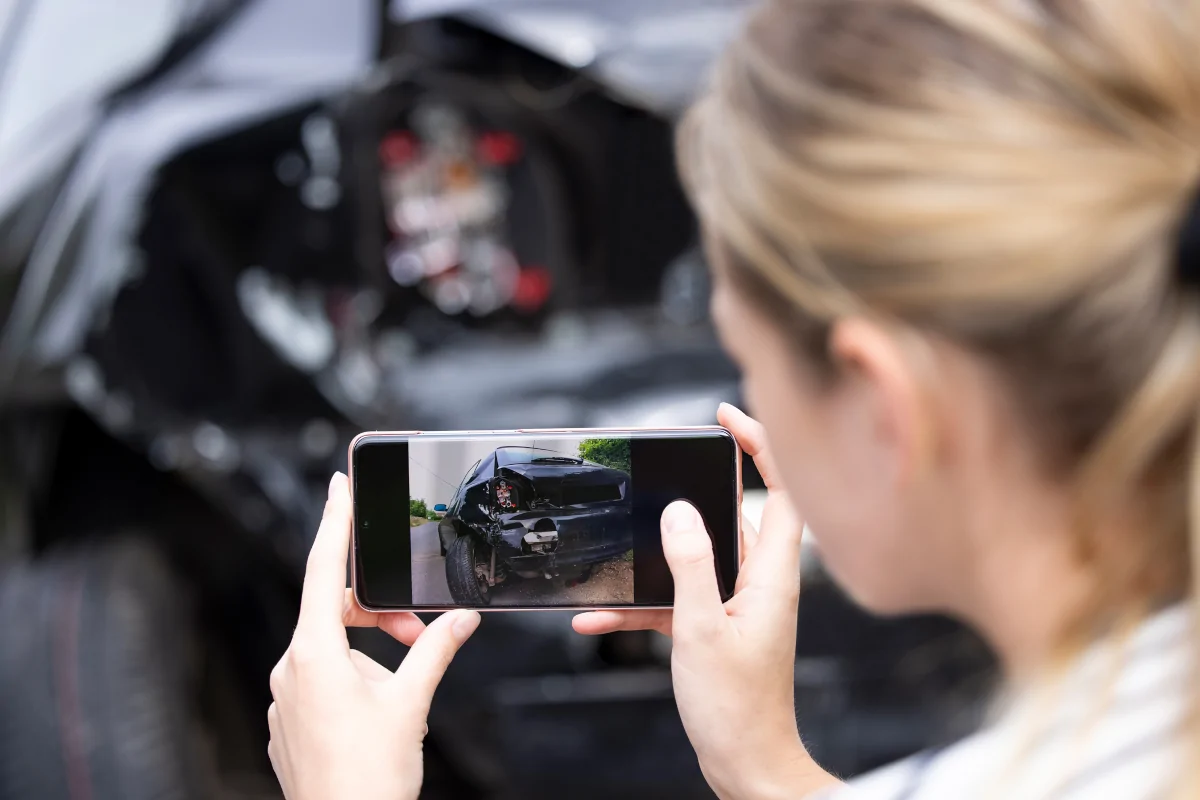
Use your phone to take photos and videos from several angles. Include the damage to each vehicle, license plates, the accident scene, skid marks, traffic signs, lane markings, road conditions, and any visible injuries if appropriate.
Good documentation can help your insurance company understand what happened. It can also help your repair shop identify visible damage and support the estimate process.
Documents and Information to Keep After the Accident
Keeping these items organized can help make the insurance claim and repair process smoother.
- Photos and videos from the accident scene.
- The other driver’s insurance and contact information.
- The police report number or report copy, if available.
- Your insurance claim number.
- Names and contact information for witnesses.
- Repair estimates and insurance adjuster estimates.
- Rental car documents, if rental coverage applies.
- Receipts for towing, storage, or accident-related expenses.
- Final repair paperwork and warranty information from the repair shop.
3. Contact Your Insurance Company Promptly
Once everyone is safe and you have gathered information, contact your insurance company to report the accident. Many insurers allow claims to be filed by phone, through a mobile app, or online.
When you file the claim, be ready to provide:
- Your policy number.
- The date, time, and location of the accident.
- A clear description of what happened.
- The other driver’s contact and insurance information.
- Photos or videos from the scene.
- The police report number, if available.
Stick to the facts when describing the accident. Avoid guessing, exaggerating, or admitting fault at the scene. Fault should be determined by the insurance companies, police report, statements, evidence, and any applicable investigation.
4. Understand Your Coverage Before Repairs Begin
Before authorizing repairs, review your insurance policy or ask your adjuster to explain your coverage. The type of coverage involved can affect who pays, whether you owe a deductible, and whether a rental car is covered.
Common types of coverage include:
- Liability coverage: Pays for damage or injuries you cause to others if you are responsible for the accident.
- Collision coverage: Helps pay to repair your vehicle after a collision, usually minus your deductible.
- Comprehensive coverage: Helps cover certain non-collision damage, such as hail, theft, vandalism, or falling objects.
- Uninsured/underinsured motorist coverage: May help if the at-fault driver has no insurance or not enough insurance.
- Rental reimbursement: May help cover a rental vehicle while your car is being repaired, depending on your policy.
According to the Texas Department of Insurance, Texas minimum liability limits are $30,000 for injuries per person, $60,000 per accident, and $25,000 for property damage. If another driver caused the accident, their liability insurance may be responsible for covered damages. If the other driver is uninsured, underinsured, or there is a dispute, your own coverage may become important.
5. Know That Texas Is an At-Fault Insurance State
Texas generally follows an at-fault insurance system. This means the driver who caused the accident is typically responsible for the resulting damage through their liability insurance.
Fault can affect which insurance company pays, whether your deductible applies, and how long the claim takes. If fault is disputed, insurance companies may review the police report, driver statements, witness information, photos, vehicle damage, and other evidence.
Because fault and coverage can affect the claim, it is important to document the accident carefully and communicate clearly with your insurance company.
6. Get a Collision Repair Estimate
After the claim is started, the insurance company may ask for photos, send an adjuster to inspect the vehicle, or provide an initial estimate. In some cases, the estimate may be based only on visible damage.
It is important to understand that the first estimate is not always the final repair cost. Once the vehicle is disassembled, the repair shop may find hidden damage behind bumper covers, panels, lights, brackets, sensors, suspension components, or structural areas.
If additional damage is found, the repair shop may submit a supplement to the insurance company. A supplement is a request for additional approval when the actual repair needs are greater than what was included in the original estimate.
If you need help understanding the repair process, Covert Collision offers collision repair in Austin and can inspect the visible damage, identify possible hidden damage, and help explain the repair estimate.
7. Choose the Right Repair Shop
Your insurance company may recommend a preferred repair facility, but you have the right to choose the repair shop you want to use. The most important thing is choosing a shop that will repair the vehicle properly, communicate clearly, and document the work.
When comparing repair shops, ask questions such as:
- Do you work with my insurance company?
- Will you inspect for hidden damage after teardown?
- Will you explain the estimate before repairs begin?
- Do you use OEM, aftermarket, recycled, or reconditioned parts?
- Will you notify me if a supplement is needed?
- Do you provide updates during the repair process?
- Do you stand behind the repair work?
For many Austin drivers, the best choice is a collision repair shop that can help with both the vehicle repair and the insurance communication. Covert Collision works with major insurance companies and can help customers understand the repair steps after an accident.
8. Review the Estimate Carefully
Once you receive an estimate, review it before repairs begin. A collision repair estimate can include labor, parts, paint materials, refinishing, scans, calibrations, alignment checks, and other repair procedures.
Pay close attention to the parts listed on the estimate. You may see terms such as:
- OEM: Original Equipment Manufacturer parts.
- Aftermarket: Replacement parts made by a third-party manufacturer.
- Recycled or LKQ: Used parts from another vehicle.
- Reconditioned: Used parts that have been repaired or restored.
- Remanufactured: Parts rebuilt to meet certain standards.
If you are unsure what type of parts are being used, ask the shop and your insurance adjuster to explain the estimate. Parts choice can matter for fit, finish, safety systems, warranty considerations, and long-term repair quality. You can also learn more about why OEM parts matter in collision repair.
9. Understand Rental Car Coverage
If your vehicle will be in the shop for repairs, ask your insurance company whether rental coverage applies. Rental reimbursement is not always included automatically, so it depends on your policy and the circumstances of the accident.
Ask your insurer:
- Do I have rental reimbursement coverage?
- What is the daily rental limit?
- How many days are covered?
- Do I need to use a specific rental company?
- If the other driver was at fault, will their insurance cover the rental?
Rental coverage can vary, so it is best to confirm the details before arranging a rental vehicle.
10. What If the Insurance Estimate Seems Too Low?
Sometimes an insurance estimate may not include all needed repairs, especially if it was written before the vehicle was fully inspected or disassembled. This does not always mean the insurer is acting improperly. It may simply mean some damage was not visible during the first inspection.
If the estimate seems too low, you can:
- Ask the repair shop to review the estimate with you.
- Ask whether hidden damage may be present.
- Provide additional photos or documentation.
- Ask the shop whether a supplement may be needed after teardown.
- Communicate with your adjuster before authorizing repairs.
If there is a disagreement about the value of the vehicle, repair procedures, or settlement amount, ask your insurance company to explain the reason in writing. Depending on the issue, you may also be able to request another review, use an appraisal process if your policy allows it, or seek additional guidance.
11. What If the Vehicle Is Declared a Total Loss?
If the cost of repairs is too high compared to the vehicle’s value, the insurance company may declare it a total loss. In that situation, the insurer may offer payment based on the vehicle’s actual cash value, rather than paying to repair it.
If your vehicle is declared a total loss, review the valuation carefully. Check that the year, make, model, trim, mileage, options, and condition are accurate. If you recently completed major maintenance or have documentation showing the vehicle was in excellent condition before the accident, provide that information to the insurer.
Total loss situations can feel confusing, so ask questions until you understand the offer, deductible, title process, rental coverage, and next steps.
12. Avoid Common Insurance Claim Mistakes
Filing a claim is easier when you avoid common mistakes that can delay the process or create confusion.
Common Claim Mistakes to Avoid
- Leaving the scene without collecting the other driver’s information.
- Failing to take photos of the damage and accident scene.
- Waiting too long to notify your insurance company.
- Admitting fault before the accident is reviewed.
- Driving a vehicle that may be unsafe after the accident.
- Assuming small bumper damage is only cosmetic.
- Approving repairs before understanding the estimate.
- Not asking what type of parts are included in the estimate.
- Ignoring hidden damage, warning lights, alignment issues, or unusual noises.
Taking a few extra steps early can save time later. If you are unsure what to do after a crash, read Covert Collision’s guide on what to do after a collision in Austin.
13. How Covert Collision Can Help After an Accident
After an accident, you need more than a quick estimate. You need a repair shop that can inspect the damage, explain the process, communicate clearly, and help you understand what the insurance estimate includes.
Covert Collision helps Austin drivers with:
- Collision damage inspections.
- Repair estimates.
- Insurance claim repair coordination.
- Hidden damage identification.
- Frame and structural repair.
- Auto body repair and refinishing.
- Paintless dent repair when appropriate.
- Online estimate requests.
If your vehicle has visible damage, warning lights, alignment issues, bumper damage, paint damage, or possible hidden damage, Covert Collision can help you understand the repair options. You can start by requesting a free online estimate.
Need Help With an Insurance Claim Repair?
If your vehicle was damaged in an accident, Covert Collision can inspect the damage, explain the estimate, and help you understand the repair process.
Frequently Asked Questions About Filing an Insurance Claim After a Car Accident in Texas
Do I have to report a car accident to the police in Texas?
You should call law enforcement if anyone is injured, if there is a death, if a vehicle cannot be safely driven, or if there is significant property damage. A police report can also be helpful when filing an insurance claim.
How soon should I contact my insurance company after an accident?
You should contact your insurance company as soon as reasonably possible after the accident. Many policies require prompt notice, and reporting the claim early can help prevent delays.
Can I choose my own collision repair shop?
Yes. Your insurance company may recommend a repair shop, but you can choose the collision repair facility you trust to repair your vehicle.
What is a supplement in collision repair?
A supplement is a request for additional repair approval when more damage is found after the original estimate. This is common when hidden damage is discovered during teardown or repair.
Will insurance pay for OEM parts?
It depends on your policy, the vehicle, the part being replaced, and the insurance company’s estimate. Ask your adjuster and repair shop what type of parts are included before repairs begin.
What if the other driver’s insurance does not respond?
Follow up regularly and document your communication. You may also be able to use your own coverage, such as collision or uninsured/underinsured motorist coverage, depending on your policy and the situation.
Should I get an estimate even if the damage looks minor?
Yes. Minor-looking damage can hide issues behind bumper covers, panels, brackets, sensors, wheels, suspension components, or structural areas. A professional inspection can help determine the full extent of the damage.