
Key Takeaways
- A minor accident can still cause hidden damage. Problems may be behind bumpers, panels, wheels, suspension components, or safety sensors.
- Do not drive if there are clear warning signs. Fluid leaks, warning lights, tire damage, smoke, unusual noises, steering problems, or loose parts can make the vehicle unsafe.
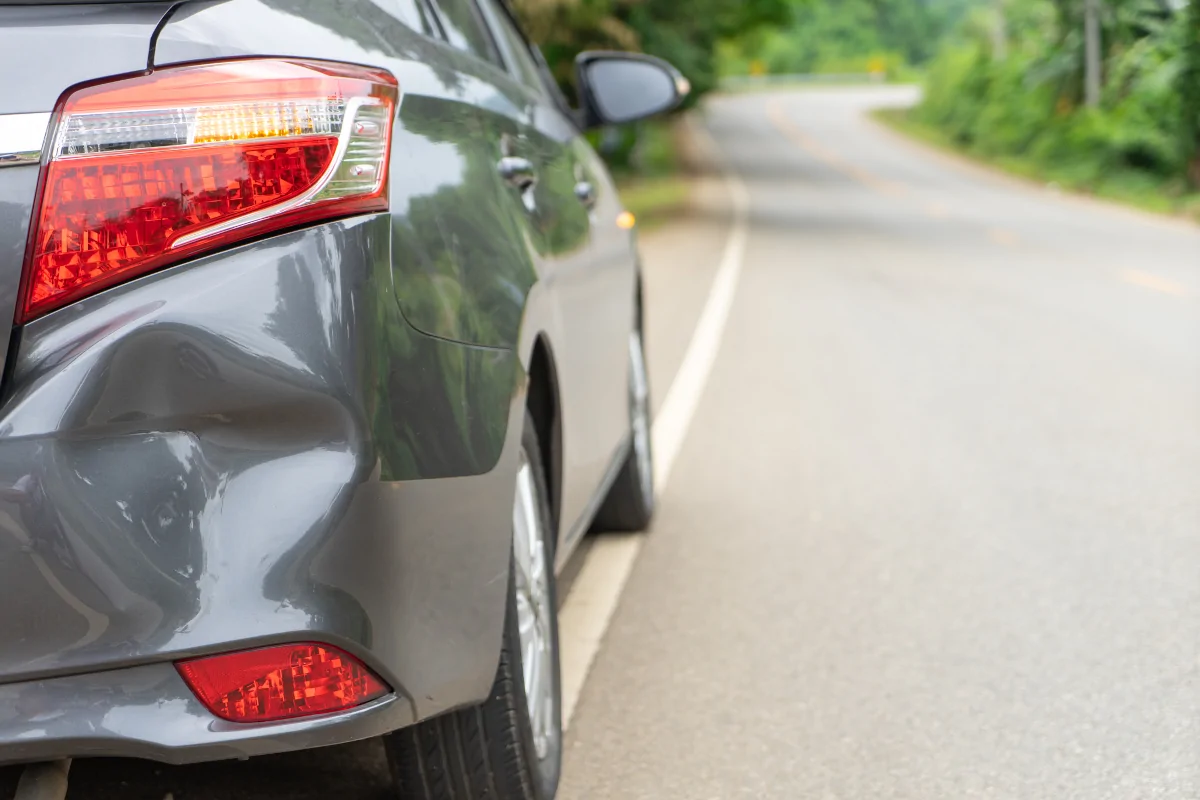
- Bumper damage can be misleading. A bumper cover may look fine while brackets, reinforcements, absorbers, or sensors behind it are damaged.
- Curb strikes should be taken seriously. Hitting a curb can affect wheels, alignment, steering, suspension, and underbody components.
- When in doubt, get the vehicle inspected. A professional estimate can help identify damage you may not see and give you a safer repair plan.
Quick Check: Should You Drive It?
Only Consider a Short Drive If
There are no visible leaks, no warning lights, no unusual noises, the lights work, the tires appear undamaged, no parts are loose or dragging, and the vehicle drives, steers, and brakes normally.
Get It Inspected Soon
Scratches, dents, bumper damage, panel gaps, or anything that looks slightly misaligned should be reviewed by a repair professional. Damage that looks minor on the outside may still involve parts behind the panel.
Do Not Drive It
Do not drive if you notice fluid leaks, smoke, warning lights, tire or wheel damage, steering problems, brake issues, loose parts, scraping, rubbing, or anything dragging. If you are unsure, have the vehicle towed and inspected before driving.
When It May Be Safe to Drive After a Minor Accident
Not every minor accident means your vehicle needs to be towed. In some cases, the damage may be limited to scratches, small dents, or cosmetic issues. However, you should only consider driving the vehicle if it appears safe, feels normal, and shows no warning signs.
Before driving, inspect the vehicle from a safe location. Look at the front, rear, sides, wheels, tires, lights, and underside if you can do so safely. Do not put yourself in traffic or an unsafe area to inspect the vehicle.
A short drive may be reasonable only if:
- There are no visible fluid leaks.
- No dashboard warning lights are on.
- There is no smoke or burning smell.
- The tires appear properly inflated and undamaged.
- The vehicle tracks straight when driving slowly.
- The brakes feel normal.
- The headlights, brake lights, and turn signals still work.
- The hood, trunk, doors, and bumper covers are secure.
- No parts are hanging, dragging, rubbing, or scraping.
- There are no unusual grinding, scraping, clunking, or rubbing noises.
If anything feels different, sounds different, smells unusual, leaks, rubs, pulls, or triggers a warning light, do not continue driving. It is safer to have the vehicle towed and inspected than to risk additional damage or another accident.
Even if the vehicle seems drivable, visible damage should still be reviewed by a professional. A small dent, scrape, or bumper impact may be more than a cosmetic issue. A professional auto body repair in Austin inspection can help determine whether the damage is only surface-level or if repairs are needed behind the panel.
Warning Signs You Should Not Drive the Vehicle
Some signs are clear warnings that your vehicle may not be safe to drive after an accident. If you notice any of these problems, it is usually better to stop driving and arrange for help. Do not continue driving if you notice:- Fluid leaking under the vehicle
- Smoke or a burning smell
- Dashboard warning lights
- Airbags that deployed
- A steering wheel that is off-center
- The vehicle pulling to one side
- Soft, weak, noisy, or grinding brakes
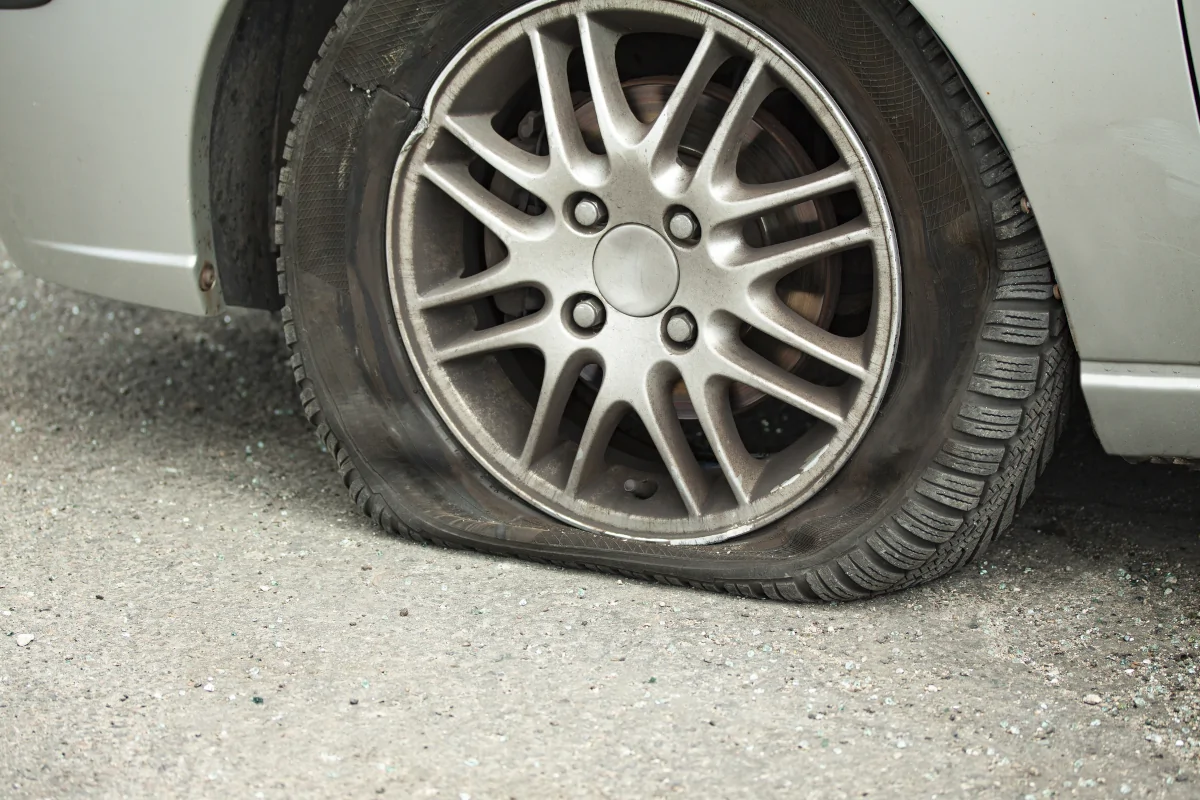
- Flat, damaged, or rubbing tires
- Bent wheels or visible wheel damage
- Parts hanging from the bumper, fender, or underbody
- A hood that will not latch securely
- Broken headlights, brake lights, or turn signals
- Unusual clunking, scraping, rubbing, or grinding sounds
- A vehicle that feels unstable or difficult to control
Why Minor Bumper Damage Can Be Misleading
Bumper damage is one of the most common results of a minor accident. It is also one of the easiest types of damage to underestimate. Modern bumpers are designed to absorb impact. The visible bumper cover is only one part of the system. Behind it, there may be absorbers, brackets, reinforcements, mounting points, sensors, wiring, and other components that help protect the vehicle and support safety features. After a low-speed impact, the bumper cover may pop back into place or only show a small scrape. But that does not always mean the parts behind it are fine. Hidden bumper damage may include:- Broken mounting tabs
- Cracked bumper absorbers
- Damaged reinforcement bars
- Loose or damaged sensor brackets
- Parking sensor issues
- Blind spot or radar sensor problems
- Misaligned panels or gaps
- Damage to the trunk, rear body, grille, or surrounding panels
What a Curb Strike Can Damage
Not every minor accident involves another vehicle. In Austin, drivers may hit a curb while avoiding a crash, sliding on wet roads, turning too sharply, or pulling into a parking space. A curb strike may not look serious, but it can cause real damage. Even at low speeds, hitting a curb can affect parts that are important for steering, handling, and safety. A curb strike may damage:- Wheels or rims
- Tires and sidewalls
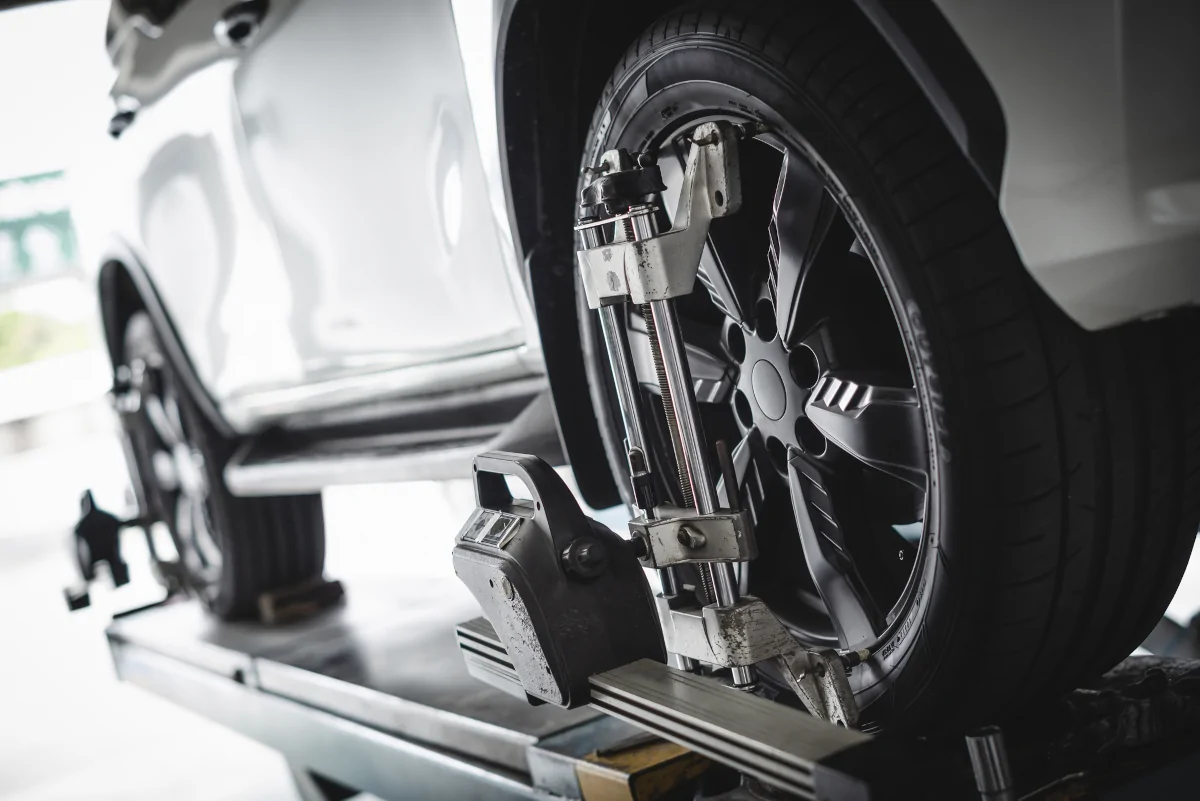
- Alignment
- Suspension components
- Steering components
- Wheel bearings
- Control arms
- Undercarriage components
- Nearby body panels
Hidden Damage Can Affect Safety Systems
One reason minor accidents are harder to judge today is that modern vehicles rely on more technology than ever before. Cameras, radar, parking sensors, blind spot monitors, backup cameras, lane assistance features, and collision warning systems may be located around the vehicle. Some of these parts are mounted behind bumpers, grilles, mirrors, body panels, or windshield areas. A small impact may affect a sensor bracket, wiring connection, or mounting point even if the outside damage looks minor. Examples of systems that may be affected include:- Parking sensors
- Backup cameras
- Blind spot monitoring
- Forward collision warning
- Adaptive cruise-related sensors
- Lane assistance systems
- Radar or camera-based safety features
When to Tow Instead of Drive
Towing may feel inconvenient, especially after a minor accident. But if the vehicle is unsafe, driving it can create a bigger problem. You should strongly consider towing the vehicle if:- Airbags deployed
- Fluid is leaking
- A tire is flat, damaged, or rubbing
- A wheel is bent
- The steering feels wrong
- The brakes feel weak, soft, or noisy
- The hood will not latch
- Lights are not working
- Parts are dragging or hanging loose
- The vehicle is overheating
- You notice smoke or a burning smell
- Warning lights appear on the dashboard
- The vehicle feels unstable
What to Do Before Driving Away From the Scene
After a minor accident, it is easy to feel rushed. You may want to move on quickly, especially if traffic is building or the damage looks small. But taking a few extra minutes can protect your safety and help with insurance or repair documentation later. Before driving away, take these steps:- Move to a safe location if the vehicle can be moved safely.
- Check yourself, passengers, and others for injuries.
- Call emergency services if anyone is hurt or the accident is blocking traffic.
- Take photos of the vehicles, damage, license plates, road conditions, and surrounding area.
- Exchange contact and insurance information with the other driver.
- Look under the vehicle for leaks.
- Check tires and wheels for visible damage.
- Test headlights, brake lights, turn signals, and hazard lights.
- Listen for unusual noises when the vehicle is running.
- Check for dashboard warning lights.
- Do not drive if the vehicle feels unsafe.
Why You Should Still Get an Estimate
A vehicle can drive normally and still need repairs. That is one of the most common reasons drivers delay getting an estimate after a minor accident. If the car starts, moves, and looks mostly okay, it is easy to assume there is no real problem. But damage can worsen over time. A loose bumper bracket can become a bigger fitment issue. Scratched paint can expose the surface underneath. A small panel gap can point to damage behind the panel. A sensor issue may not become obvious until later. A professional estimate can help you understand:- What damage is visible
- Whether hidden damage may be present
- Which parts may need repair or replacement
- Whether paint or refinishing is needed
- Whether structural or safety-related areas were affected
- How the repair may work with insurance
What Covert Collision Looks for During an Inspection
When a vehicle comes in after a minor accident, the goal is not just to look at the obvious damage. A proper inspection helps determine whether the vehicle has hidden issues that could affect safety, appearance, or long-term performance. Depending on the accident, Covert Collision may look for:- Visible body damage
- Hidden damage behind bumper covers or panels
- Bumper support and reinforcement damage
- Fender, hood, door, trunk, or liftgate alignment problems
- Loose or damaged brackets
- Paint damage, scratches, or exposed surfaces
- Wheel, tire, suspension, or steering concerns
- Structural damage
- Sensor, camera, or safety system issues
- Damage that may need insurance documentation
Not Sure If It Is Safe? Have It Checked
After a minor accident, the safest choice is not always obvious. Some vehicles are fine to drive. Others should be towed immediately. Many fall somewhere in the middle, where the damage looks minor but should still be inspected. If your vehicle has leaking fluids, warning lights, steering problems, brake issues, tire damage, loose parts, smoke, unusual noises, or anything that feels different, do not ignore it. Those are signs that the vehicle may not be safe to drive. And even if the vehicle seems okay, a professional inspection can give you peace of mind and help prevent small issues from becoming bigger repair problems. Covert Collision helps Austin drivers understand their repair options after accidents large and small. If your vehicle was involved in a fender bender, curb strike, parking lot accident, or low-speed collision, you can request a free online estimate to get started.Need Help After a Minor Accident?
If you are not sure whether your vehicle is safe to drive, Covert Collision can inspect the damage, explain your repair options, and help you understand the next steps. Request a Free Online EstimateFrequently Asked Questions About Driving After a Minor Accident
Can I drive my car after a minor accident?
Maybe, but only if the vehicle appears safe. Do not drive if there are fluid leaks, warning lights, steering problems, brake issues, tire damage, loose parts, smoke, unusual noises, or anything that feels different. When in doubt, have the vehicle inspected.
What damage can be hidden after a minor accident?
Hidden damage may include bumper reinforcement damage, broken brackets, damaged sensors, alignment problems, suspension damage, frame damage, or damage behind panels. A vehicle can look mostly fine and still have problems underneath.
Should I drive if my bumper is loose?
No. A loose bumper can detach, rub against tires, interfere with sensors, or create a road hazard. It should be inspected and secured before the vehicle is driven.
What should I do if my car pulls to one side after an accident?
Do not ignore it. Pulling can point to alignment, suspension, steering, wheel, or tire damage. The vehicle should be inspected before continued driving.
Should I get an estimate even if the damage looks minor?
Yes. A professional estimate can identify visible and hidden damage, explain repair options, and provide documentation for insurance or repair planning.
When should I tow my car after an accident?
You should tow the vehicle if there are leaks, deployed airbags, tire damage, bent wheels, steering or brake issues, overheating, smoke, warning lights, dragging parts, or anything that makes the vehicle feel unsafe.