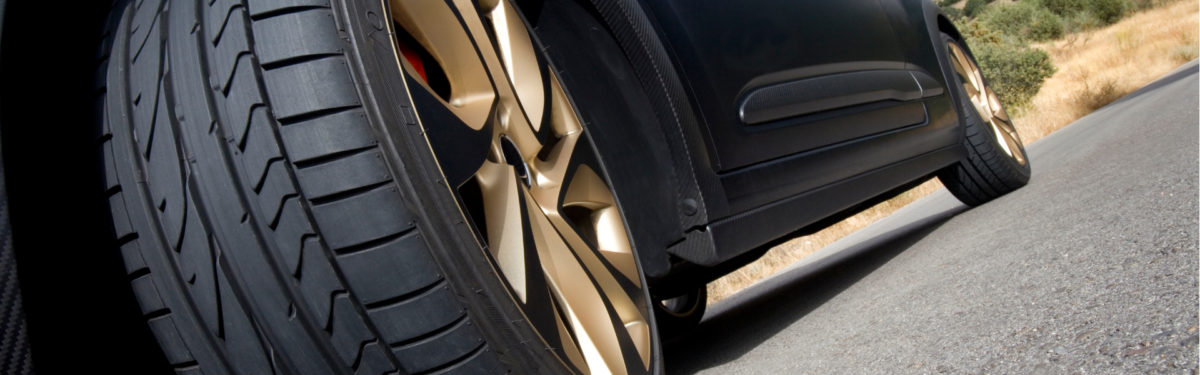
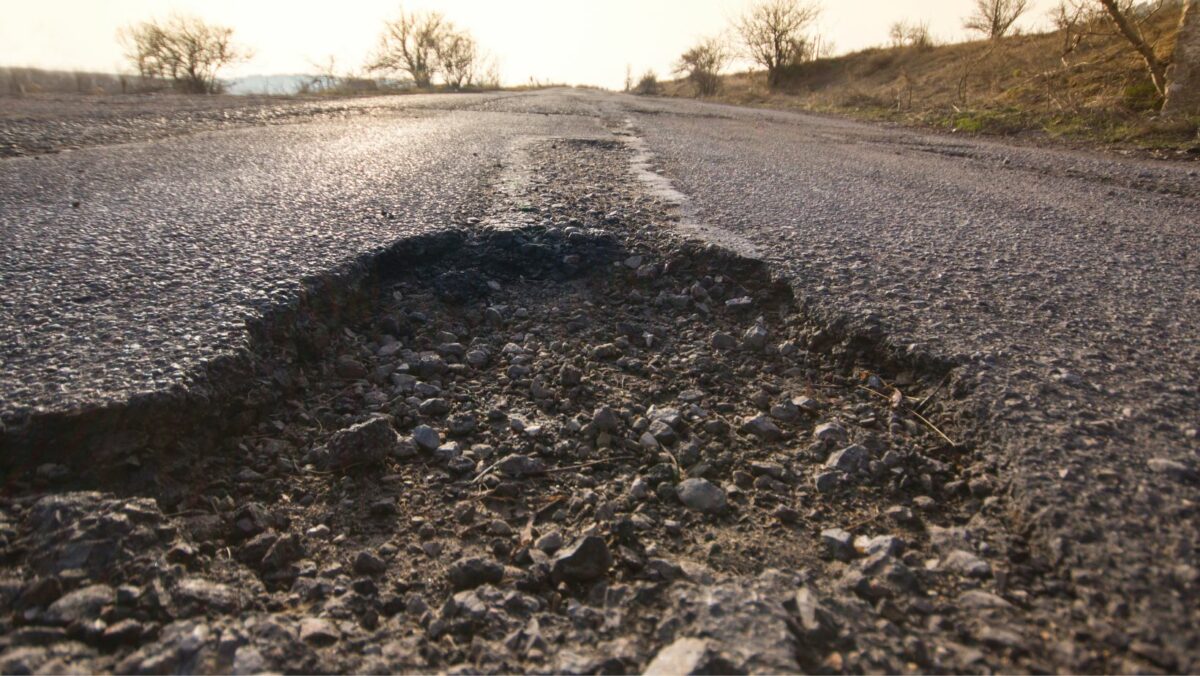
Potholes are a common road hazard for Austin drivers, especially after heavy rain, construction, temperature changes, and normal road wear. Sometimes you see them in time to slow down. Other times, the impact happens before you can react. Either way, hitting a pothole can cause more damage than many drivers realize.
A hard pothole impact can affect tires, wheels, alignment, suspension, steering, underbody components, bumpers, paint, and body panels. Some damage is obvious right away, such as a flat tire or bent wheel. Other damage may show up later as pulling, vibration, unusual noises, uneven tire wear, or visible body damage.
If your car hit a pothole in Austin, here is what to check, when to stop driving, and when to schedule a professional inspection.
Key Takeaways
- Pothole damage is not always obvious. A vehicle may still drive after impact even if the tire, wheel, suspension, alignment, bumper, or underbody was damaged.
- Pulling, vibration, or new noises should not be ignored. These symptoms may point to wheel, tire, suspension, steering, or alignment problems.
- Body damage can happen too. Deep potholes can scrape bumpers, damage splash shields, loosen trim, chip paint, or affect lower body panels.
- Do not keep driving if the vehicle feels unsafe. A flat tire, bent wheel, fluid leak, loose part, steering issue, or warning light should be checked before you continue.
- Document the damage. Photos of the pothole, vehicle damage, road location, and repair paperwork may be helpful if insurance or a road damage claim is involved.
What Should You Do Right After Hitting a Pothole?
After hitting a pothole, stay calm and avoid making a sudden unsafe maneuver. If the vehicle feels unstable, the steering changes, a tire goes flat, or you hear scraping or knocking, slow down and pull over when it is safe.
Once you are in a safe location, inspect the vehicle from the outside. Do not stand in traffic or crawl under the vehicle on the roadside. Look for visible damage and listen for anything unusual when the vehicle is running or moving slowly.
Check for:
- Flat tires or low tire pressure.
- Bulges, cuts, or damage on the tire sidewall.
- Bent, cracked, or scraped wheels.
- Loose bumper parts, splash shields, or underbody panels.
- Leaking fluids under the vehicle.
- New dashboard warning lights.
- Pulling, vibration, wobbling, or unusual steering feel.
- Scratches, scuffs, or chipped paint on lower body panels.
If the vehicle does not feel safe, do not keep driving. Towing may be the safer option.
1. Tire Damage
Your tires are the first part of the vehicle to absorb a pothole impact. A sharp or deep pothole can pinch the tire against the wheel, leading to a blowout, sidewall bulge, tread damage, or internal tire damage.
Common signs of tire damage after a pothole include:
- A flat tire.
- Rapid loss of air pressure.
- A visible bubble or bulge on the tire sidewall.
- Cuts, cracks, or torn rubber.
- Vibration while driving.
- A tire pressure warning light.
A sidewall bulge is especially important to address quickly because it may indicate internal tire damage. If you see a bulge or the tire is losing air, have the vehicle inspected by a tire professional before continuing to drive.
2. Wheel and Rim Damage
A hard pothole impact can bend, crack, chip, or scrape a wheel. Aluminum alloy wheels can be especially vulnerable to impact damage. Sometimes the damage is easy to see. Other times, the wheel may look mostly normal but still cause vibration or air loss.
Possible signs of wheel damage include:
- Vibration at certain speeds.
- Air leaking from the tire.
- A visible bend or crack in the wheel.
- Scraping or gouging on the rim edge.
- The vehicle feels unbalanced after impact.
Wheel damage should be inspected by a qualified wheel, tire, or automotive repair professional. Driving on a damaged wheel can create safety issues and may lead to additional tire damage.
3. Suspension and Steering Damage
Potholes can affect more than tires and wheels. A hard impact can damage or stress suspension and steering components, including shocks, struts, control arms, ball joints, tie rods, bushings, and alignment settings.
If the vehicle pulls to one side, the steering wheel is no longer centered, or the vehicle feels unstable, the suspension or alignment may have been affected. These issues should be checked before they cause uneven tire wear or make the vehicle harder to control.
Signs of suspension or steering damage include:
- The vehicle pulls left or right.
- The steering wheel is off-center.
- New vibration in the steering wheel.
- Clunking, knocking, or rattling sounds.
- The vehicle bounces more than usual.
- Uneven tire wear after the impact.
If these symptoms appeared after a pothole impact, schedule an inspection with a qualified mechanic or service provider.
4. Body, Bumper, and Paint Damage
Potholes can also damage the lower areas of a vehicle. A deep pothole, low front bumper, loose road debris, or sharp road edge can scrape bumpers, chip paint, damage lower panels, loosen trim, or break splash shields.
This type of damage may seem cosmetic, but it should still be inspected if parts are loose, paint is chipped, or the bumper no longer fits correctly. Cracked paint or exposed metal can worsen over time, and loose parts can detach while driving.
Look for:
- Scraped or cracked bumper covers.
- Loose splash shields or underbody panels.
- Chipped paint or exposed metal.
- Scratches and scuffs on lower body panels.
- Broken clips, trim, or moldings.
- Parking sensor or fog light damage.
Covert Collision can help with auto body repair, auto painting and refinishing, and collision-related repairs if a pothole impact damaged your vehicle’s body, bumper, paint, or exterior components.
5. Undercarriage and Exhaust Damage
The underside of your vehicle can also be affected by a pothole impact. Exhaust components, shields, brackets, underbody panels, oil pans, and other low-mounted parts may be scraped, loosened, bent, or cracked.
Warning signs may include:
- Dragging or scraping sounds.
- A loud exhaust sound that was not there before.
- Rattling or knocking under the vehicle.
- Fluid leaks after the impact.
- Burning smells or smoke.
- Loose panels hanging beneath the vehicle.
If you notice fluid leaks, loud exhaust sounds, or dragging parts, avoid driving until the vehicle is inspected. Depending on the damage, a mechanic, exhaust shop, or collision repair facility may need to evaluate the vehicle.
After hitting a pothole, schedule an inspection if you notice any of these warning signs.
- Flat tire, low tire pressure, or tire pressure warning light.
- Bulges, cuts, or cracks in the tire sidewall.
- Bent, cracked, scraped, or leaking wheel.
- Vehicle pulling to one side.
- Steering wheel is off-center.
- New vibration, wobbling, or shaking.
- Clunking, rattling, grinding, or scraping sounds.
- Loose bumper cover, trim, splash shield, or underbody panel.
- Scratched, scuffed, chipped, or cracked paint.
- Fluid leaks, smoke, burning smell, or dashboard warning lights.
Should You Keep Driving After Pothole Damage?
It depends on how the vehicle feels and what damage is present. If the car drives normally and there are no warning lights, leaks, vibration, pulling, loose parts, or tire damage, you may be able to continue driving carefully and schedule an inspection soon.
However, you should avoid driving if you notice:
- A flat tire or tire sidewall bulge.
- A bent or cracked wheel.
- Steering problems or severe pulling.
- Fluid leaks.
- Loose, dragging, or hanging parts.
- Brake issues.
- Warning lights after the impact.
- Unusual noises that get worse while driving.
When in doubt, towing the vehicle may be safer than driving it. Our article on driving a damaged vehicle in Austin explains why some damage should be inspected before you continue using the vehicle.
Document the Pothole and Vehicle Damage
If the pothole caused noticeable damage, document everything as soon as it is safe. This may help if you decide to contact your insurance company or explore whether a road damage claim is possible.
Helpful documentation may include:
- Photos of the damaged tire, wheel, bumper, paint, or underbody area.
- Photos of the pothole, if it is safe to take them.
- The location of the pothole, including nearby streets or landmarks.
- The date and time of the incident.
- Photos of warning lights or visible leaks.
- Repair estimates and final repair invoices.
Do not put yourself in danger trying to photograph a pothole in traffic. Safety comes first.
Will Insurance Cover Pothole Damage?
Coverage depends on your policy and the type of damage. Some pothole-related damage may fall under collision coverage, while tire-only damage, wear items, deductibles, and exclusions can vary. Your insurance company is the best source for details about your coverage.
If the damage is significant, contact your insurer, explain what happened, and ask whether the damage may be covered. Be ready to provide photos, the location, and repair estimates.
If an insurance claim is involved, you may find these resources helpful:
How to Reduce the Risk of Pothole Damage
You cannot avoid every pothole, but careful driving can reduce the chance of serious damage. Avoid swerving suddenly, especially in traffic, because that can create a greater safety risk. If you see a pothole ahead and it is safe to do so, slow down before you reach it.
To reduce pothole damage risk:
- Keep tires properly inflated.
- Leave enough space so you can see the road ahead.
- Slow down when approaching rough roads or standing water.
- Avoid sudden swerving if traffic is nearby.
- Watch for potholes after heavy rain.
- Use extra caution in construction zones.
- Have your vehicle checked if it feels different after impact.
When Pothole Damage Needs Body or Paint Repair
Many pothole issues are mechanical, tire, wheel, suspension, or alignment-related. However, pothole impacts can also cause exterior damage that may require a collision repair or auto body shop.
Covert Collision may be able to help if the pothole caused:
- Bumper damage.
- Lower panel scratches or scuffs.
- Chipped paint or exposed metal.
- Loose exterior trim or moldings.
- Damaged splash shields or body components.
- Paint damage that needs refinishing.
If there is paint damage, our guide on how to fix scratches and scuffs on your vehicle can help you understand whether the damage may be minor or needs professional repair.
Need Help With Body or Paint Damage After Hitting a Pothole?
If your vehicle hit a pothole and now has bumper damage, paint damage, scratches, scuffs, loose body parts, or exterior damage, Covert Collision can help inspect the body damage and explain your repair options.
Some pothole issues, such as tires, wheels, suspension, alignment, or exhaust problems, may need to be handled by a qualified mechanic, tire shop, or service department. For exterior damage, Covert Collision provides auto body repair, auto painting and refinishing, and collision repair for Austin-area drivers.
Request a Free Online Estimate or visit our contact page to get in touch with Covert Collision.