Categories
austin body shop

Rim Repair in Austin: Finding Quality Service for Your Wheels

Rims are an essential component of any vehicle, but they are also susceptible to various types of damage. Over time, driving on rough roads, hitting curbs, or encountering potholes can lead to bent, cracked, or scratched rims. In a bustling city like Austin, where road conditions can be unpredictable, the need for professional rim repair is more common than you might think. Ensuring that your wheels are in top condition not only enhances the aesthetic appeal of your vehicle but also impacts overall driving safety. Hence, finding quality rim repair services in Austin is crucial for maintaining both the function and appearance of your wheels.

What Are the Options When Your Rim Is Damaged?

When you find yourself with a damaged rim in Austin, you have several options to consider for rim repair. The first step is assessing the extent of the damage. For minor dings and scratches, you might be able to fix the issue with a DIY rim repair kit available at local auto parts stores. However, for more severe damage such as bending or cracking, professional services are recommended.

  1. Professional Rim Repair Shops: Austin boasts numerous specialized rim repair shops equipped with the tools and expertise to restore your rims to their original condition. These establishments can handle everything from minor cosmetic repairs to complex structural fixes.
  2. Mobile Rim Repair Services: If convenience is a priority, you can opt for mobile rim repair services. These professionals come to your location, whether at home or work, to perform the necessary repairs on-site, saving you time and effort.
  3. Auto Body Shops: Many auto body shops in Austin offer rim repair as part of their service lineup. While they may not specialize exclusively in rims, they possess the necessary equipment and skills to manage most types of rim damage effectively.
  4. Replacement: In cases where the rim damage is beyond repair, purchasing a new rim might be the best option. While this can be more costly, it guarantees the integrity and safety of your vehicle.

By exploring these options, you can find quality rim repair services in Austin that suit your specific needs and ensure your wheels are safe and stylish.

Covert Collision Center in Austin, Texas

One of the prime destinations for rim repair in Austin is the Covert Collision Center. At Covert Collision Center, we pride ourselves on our factory-certified technicians who have the skills and expertise to handle a wide range of automotive repair needs. When it comes to rim repair, our team can restore your wheels to their pristine condition, whether they’re suffering from bent rims, cracks, or scratches.

But that’s not all we offer. In addition to top-tier rim repair, Covert Collision Center provides a variety of other services to keep your vehicle in optimum shape. Our services include dent repair, ensuring those minor dings and dents are expertly smoothed out. We are also equipped to handle aluminum repair, a specialized service that requires precise knowledge and skill.

Towing and Rental Car Services

At Covert Collision Center, we understand that vehicle repairs can be an inconvenience. That’s why we also offer towing services to get your car to our facility without any hassle. Whether you’ve experienced a breakdown or an accident, our reliable towing service ensures your vehicle reaches us safely and quickly. Additionally, for your utmost convenience, we have rental cars on-site to keep you mobile while your car undergoes repairs. This way, you won’t have to worry about being without transportation. Our commitment to providing comprehensive rim repair services in Austin extends to making your overall experience as smooth and stress-free as possible.

Working with Your Insurance Company

At Covert Collision Center, we strive to make the rim repair process as seamless as possible for our Austin clientele. That’s why we also work with your insurance company when applicable, to ensure that your out-of-pocket expenses are minimized. Our experienced team understands the nuances of insurance claims and can assist you through each step, from initial assessment to final documentation. This collaboration helps to expedite the repair process, getting you back on the road sooner.

Moreover, we stand by the quality of our work. Our rim repair services in Austin come with a guarantee, providing you peace of mind that the repairs will be done right the first time. Whether you are dealing with bent rims, cracks, or scratches, our factory-certified technicians are committed to restoring your wheels to their optimal condition. With Covert Collision Center, you can trust that your vehicle is in expert hands, and you’ll drive away with confidence.

Our comprehensive approach to rim repair, paired with our dedication to customer satisfaction, makes us the premier choice in Austin for all your wheel maintenance needs.

Contact Us for a Free Estimate

Choosing Covert Collision Center means choosing quality and reliability for your vehicle repairs. Our commitment to excellence makes us a trusted choice for drivers in Austin seeking professional rim repair and more. Visit us to experience the difference our factory-certified technicians can make for your vehicle.

Categories
austin body shop

Bent Rim Repair in Austin: What You Need to Know

As a driver, you know how important it is to keep your car in top condition. From regular oil changes to tire rotations, there are a lot of maintenance tasks that can help you avoid costly repairs down the road. But sometimes, accidents happen. If you’ve ever hit a pothole or curb, you know how easy it can be to damage your rims. In this blog post, we’ll cover everything you need to know about bent rim repair in Austin, including how and why rims get damaged, what to do if you notice damage, and how to find a reliable collision center in Austin.

First, let’s talk about how rims get damaged. There are a few common causes of rim damage, including hitting a pothole or curb, driving on rough roads or uneven terrain, or even just misjudging the height of a curb when parking. When you hit something hard, the force can cause your rim to bend or crack, which can lead to a variety of problems.

If you notice damage to your rims, it’s important to get them repaired as soon as possible. Driving with a bent rim can cause problems with your tires, suspension, and even your steering. You may notice vibrations or uneven wear on your tires, difficulty steering or handling your car, or even a decrease in fuel efficiency. In some cases, a bent rim can even lead to a blowout or other dangerous situation.

Fortunately, there are a few different methods that can be used to repair a bent rim. In some cases, a skilled technician can use special equipment to straighten the rim without causing further damage. This is often a cost-effective solution, especially if the damage is relatively minor. However, if the damage is more severe, the rim may need to be replaced entirely.

If you do need to replace your rim, it’s important to do so as soon as possible. Driving on a damaged rim can cause a lot of problems, including a flat tire or even a blowout. Additionally, if you wait too long to replace your rim, you may end up damaging your tire as well. In many cases, it’s best to replace both the rim and the tire at the same time to ensure that your car is safe to drive.

Another important thing to keep in mind is that not all bent rim repair shops are created equal. When choosing a repair shop, it’s important to look for one that has experience working with your make and model of vehicle, as well as one that offers a warranty on their work. You may also want to ask for referrals or read online reviews to get an idea of the quality of work that the shop provides.

Contact Us to Schedule a Free Estimate

Bent rim repair may not be the most exciting topic, but it’s an important one for any driver to be aware of. By knowing the common causes of rim damage, the signs of a bent rim, and the repair options available to you, you can help keep your car running smoothly and avoid costly repairs down the road. If you do notice damage to your rims, be sure to have them inspected by a qualified technician as soon as possible to avoid further damage and ensure that your car is safe to drive.

Categories
austin body shop

My Car Received Pothole Damage | Now What?

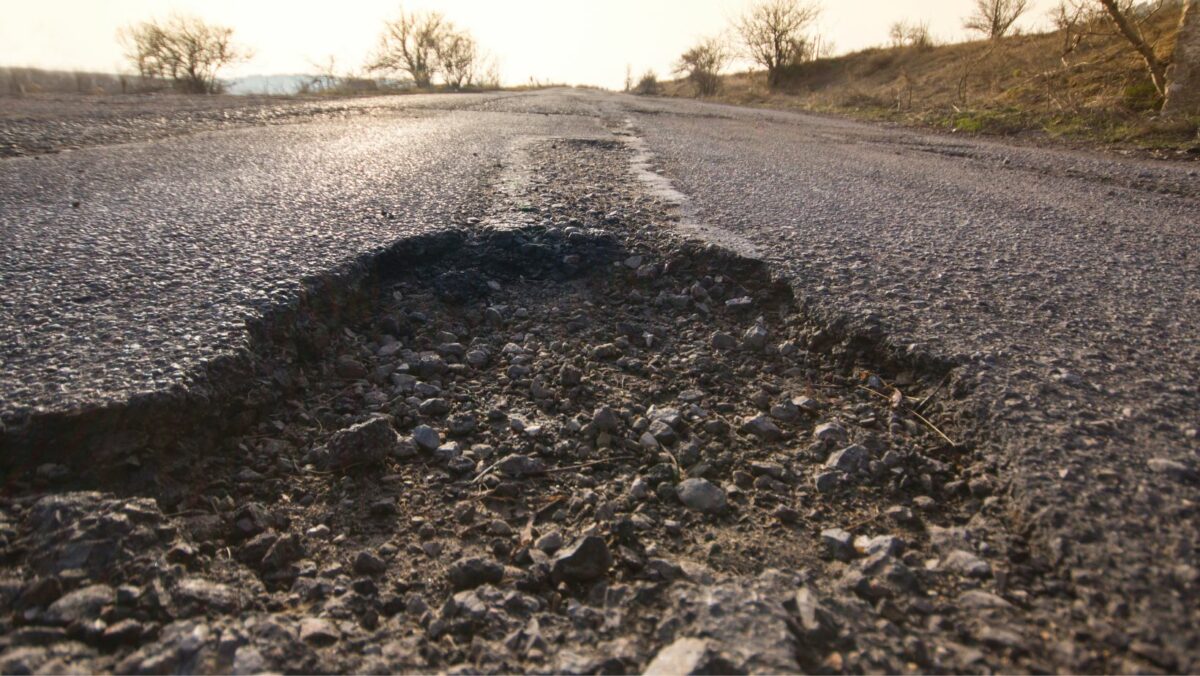
Potholes are a common road hazard for Austin drivers, especially after heavy rain, construction, temperature changes, and normal road wear. Sometimes you see them in time to slow down. Other times, the impact happens before you can react. Either way, hitting a pothole can cause more damage than many drivers realize.

A hard pothole impact can affect tires, wheels, alignment, suspension, steering, underbody components, bumpers, paint, and body panels. Some damage is obvious right away, such as a flat tire or bent wheel. Other damage may show up later as pulling, vibration, unusual noises, uneven tire wear, or visible body damage.

If your car hit a pothole in Austin, here is what to check, when to stop driving, and when to schedule a professional inspection.

Key Takeaways

  • Pothole damage is not always obvious. A vehicle may still drive after impact even if the tire, wheel, suspension, alignment, bumper, or underbody was damaged.
  • Pulling, vibration, or new noises should not be ignored. These symptoms may point to wheel, tire, suspension, steering, or alignment problems.
  • Body damage can happen too. Deep potholes can scrape bumpers, damage splash shields, loosen trim, chip paint, or affect lower body panels.
  • Do not keep driving if the vehicle feels unsafe. A flat tire, bent wheel, fluid leak, loose part, steering issue, or warning light should be checked before you continue.
  • Document the damage. Photos of the pothole, vehicle damage, road location, and repair paperwork may be helpful if insurance or a road damage claim is involved.

What Should You Do Right After Hitting a Pothole?

After hitting a pothole, stay calm and avoid making a sudden unsafe maneuver. If the vehicle feels unstable, the steering changes, a tire goes flat, or you hear scraping or knocking, slow down and pull over when it is safe.

Once you are in a safe location, inspect the vehicle from the outside. Do not stand in traffic or crawl under the vehicle on the roadside. Look for visible damage and listen for anything unusual when the vehicle is running or moving slowly.

Check for:

  • Flat tires or low tire pressure.
  • Bulges, cuts, or damage on the tire sidewall.
  • Bent, cracked, or scraped wheels.
  • Loose bumper parts, splash shields, or underbody panels.
  • Leaking fluids under the vehicle.
  • New dashboard warning lights.
  • Pulling, vibration, wobbling, or unusual steering feel.
  • Scratches, scuffs, or chipped paint on lower body panels.

If the vehicle does not feel safe, do not keep driving. Towing may be the safer option.

1. Tire Damage

Your tires are the first part of the vehicle to absorb a pothole impact. A sharp or deep pothole can pinch the tire against the wheel, leading to a blowout, sidewall bulge, tread damage, or internal tire damage.

Common signs of tire damage after a pothole include:

  • A flat tire.
  • Rapid loss of air pressure.
  • A visible bubble or bulge on the tire sidewall.
  • Cuts, cracks, or torn rubber.
  • Vibration while driving.
  • A tire pressure warning light.

A sidewall bulge is especially important to address quickly because it may indicate internal tire damage. If you see a bulge or the tire is losing air, have the vehicle inspected by a tire professional before continuing to drive.

2. Wheel and Rim Damage

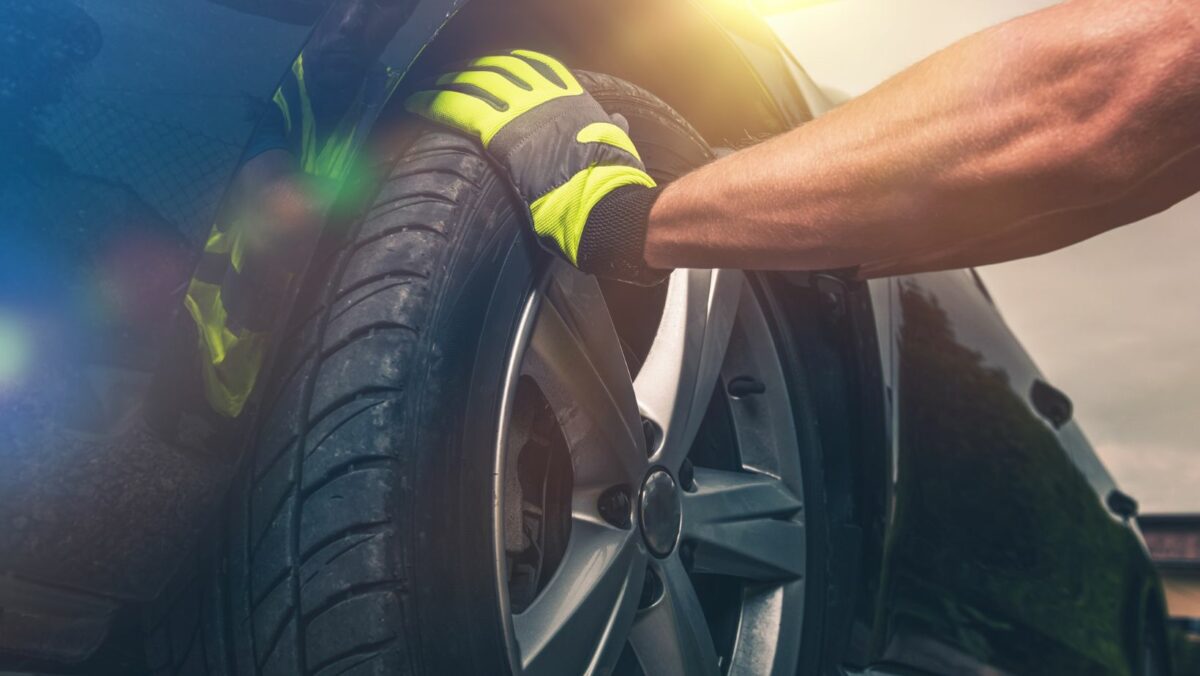
A hard pothole impact can bend, crack, chip, or scrape a wheel. Aluminum alloy wheels can be especially vulnerable to impact damage. Sometimes the damage is easy to see. Other times, the wheel may look mostly normal but still cause vibration or air loss.

Possible signs of wheel damage include:

  • Vibration at certain speeds.
  • Air leaking from the tire.
  • A visible bend or crack in the wheel.
  • Scraping or gouging on the rim edge.
  • The vehicle feels unbalanced after impact.

Wheel damage should be inspected by a qualified wheel, tire, or automotive repair professional. Driving on a damaged wheel can create safety issues and may lead to additional tire damage.

3. Suspension and Steering Damage

Potholes can affect more than tires and wheels. A hard impact can damage or stress suspension and steering components, including shocks, struts, control arms, ball joints, tie rods, bushings, and alignment settings.

If the vehicle pulls to one side, the steering wheel is no longer centered, or the vehicle feels unstable, the suspension or alignment may have been affected. These issues should be checked before they cause uneven tire wear or make the vehicle harder to control.

Signs of suspension or steering damage include:

  • The vehicle pulls left or right.
  • The steering wheel is off-center.
  • New vibration in the steering wheel.
  • Clunking, knocking, or rattling sounds.
  • The vehicle bounces more than usual.
  • Uneven tire wear after the impact.

If these symptoms appeared after a pothole impact, schedule an inspection with a qualified mechanic or service provider.

4. Body, Bumper, and Paint Damage

Potholes can also damage the lower areas of a vehicle. A deep pothole, low front bumper, loose road debris, or sharp road edge can scrape bumpers, chip paint, damage lower panels, loosen trim, or break splash shields.

This type of damage may seem cosmetic, but it should still be inspected if parts are loose, paint is chipped, or the bumper no longer fits correctly. Cracked paint or exposed metal can worsen over time, and loose parts can detach while driving.

Look for:

  • Scraped or cracked bumper covers.
  • Loose splash shields or underbody panels.
  • Chipped paint or exposed metal.
  • Scratches and scuffs on lower body panels.
  • Broken clips, trim, or moldings.
  • Parking sensor or fog light damage.

Covert Collision can help with auto body repair, auto painting and refinishing, and collision-related repairs if a pothole impact damaged your vehicle’s body, bumper, paint, or exterior components.

5. Undercarriage and Exhaust Damage

The underside of your vehicle can also be affected by a pothole impact. Exhaust components, shields, brackets, underbody panels, oil pans, and other low-mounted parts may be scraped, loosened, bent, or cracked.

Warning signs may include:

  • Dragging or scraping sounds.
  • A loud exhaust sound that was not there before.
  • Rattling or knocking under the vehicle.
  • Fluid leaks after the impact.
  • Burning smells or smoke.
  • Loose panels hanging beneath the vehicle.

If you notice fluid leaks, loud exhaust sounds, or dragging parts, avoid driving until the vehicle is inspected. Depending on the damage, a mechanic, exhaust shop, or collision repair facility may need to evaluate the vehicle.

✓

Pothole Damage Warning Signs Checklist

After hitting a pothole, schedule an inspection if you notice any of these warning signs.

  • Flat tire, low tire pressure, or tire pressure warning light.
  • Bulges, cuts, or cracks in the tire sidewall.
  • Bent, cracked, scraped, or leaking wheel.
  • Vehicle pulling to one side.
  • Steering wheel is off-center.
  • New vibration, wobbling, or shaking.
  • Clunking, rattling, grinding, or scraping sounds.
  • Loose bumper cover, trim, splash shield, or underbody panel.
  • Scratched, scuffed, chipped, or cracked paint.
  • Fluid leaks, smoke, burning smell, or dashboard warning lights.

Should You Keep Driving After Pothole Damage?

It depends on how the vehicle feels and what damage is present. If the car drives normally and there are no warning lights, leaks, vibration, pulling, loose parts, or tire damage, you may be able to continue driving carefully and schedule an inspection soon.

However, you should avoid driving if you notice:

  • A flat tire or tire sidewall bulge.
  • A bent or cracked wheel.
  • Steering problems or severe pulling.
  • Fluid leaks.
  • Loose, dragging, or hanging parts.
  • Brake issues.
  • Warning lights after the impact.
  • Unusual noises that get worse while driving.

When in doubt, towing the vehicle may be safer than driving it. Our article on driving a damaged vehicle in Austin explains why some damage should be inspected before you continue using the vehicle.

Document the Pothole and Vehicle Damage

If the pothole caused noticeable damage, document everything as soon as it is safe. This may help if you decide to contact your insurance company or explore whether a road damage claim is possible.

Helpful documentation may include:

  • Photos of the damaged tire, wheel, bumper, paint, or underbody area.
  • Photos of the pothole, if it is safe to take them.
  • The location of the pothole, including nearby streets or landmarks.
  • The date and time of the incident.
  • Photos of warning lights or visible leaks.
  • Repair estimates and final repair invoices.

Do not put yourself in danger trying to photograph a pothole in traffic. Safety comes first.

Will Insurance Cover Pothole Damage?

Coverage depends on your policy and the type of damage. Some pothole-related damage may fall under collision coverage, while tire-only damage, wear items, deductibles, and exclusions can vary. Your insurance company is the best source for details about your coverage.

If the damage is significant, contact your insurer, explain what happened, and ask whether the damage may be covered. Be ready to provide photos, the location, and repair estimates.

If an insurance claim is involved, you may find these resources helpful:

How to Reduce the Risk of Pothole Damage

You cannot avoid every pothole, but careful driving can reduce the chance of serious damage. Avoid swerving suddenly, especially in traffic, because that can create a greater safety risk. If you see a pothole ahead and it is safe to do so, slow down before you reach it.

To reduce pothole damage risk:

  • Keep tires properly inflated.
  • Leave enough space so you can see the road ahead.
  • Slow down when approaching rough roads or standing water.
  • Avoid sudden swerving if traffic is nearby.
  • Watch for potholes after heavy rain.
  • Use extra caution in construction zones.
  • Have your vehicle checked if it feels different after impact.

When Pothole Damage Needs Body or Paint Repair

Many pothole issues are mechanical, tire, wheel, suspension, or alignment-related. However, pothole impacts can also cause exterior damage that may require a collision repair or auto body shop.

Covert Collision may be able to help if the pothole caused:

  • Bumper damage.
  • Lower panel scratches or scuffs.
  • Chipped paint or exposed metal.
  • Loose exterior trim or moldings.
  • Damaged splash shields or body components.
  • Paint damage that needs refinishing.

If there is paint damage, our guide on how to fix scratches and scuffs on your vehicle can help you understand whether the damage may be minor or needs professional repair.

Need Help With Body or Paint Damage After Hitting a Pothole?

If your vehicle hit a pothole and now has bumper damage, paint damage, scratches, scuffs, loose body parts, or exterior damage, Covert Collision can help inspect the body damage and explain your repair options.

Some pothole issues, such as tires, wheels, suspension, alignment, or exhaust problems, may need to be handled by a qualified mechanic, tire shop, or service department. For exterior damage, Covert Collision provides auto body repair, auto painting and refinishing, and collision repair for Austin-area drivers.

Request a Free Online Estimate or visit our contact page to get in touch with Covert Collision.

Categories
austin body shop

3 Signs You Need a Wheel Replacement in Austin

Caught up in our busy lives and demanding schedules, we rarely have the time to conduct a thorough wheel check-up to know if they need replacing or not. This is where this article comes in!

Just like your feet get sore after a long walk, the wheels of your cars wear down a bit every time you drive. This isn’t always a result of impaired driving but an inevitable fact of life. Similar to everything else in this world, tires age and so they can wear out.

Tires are the base of your vehicle and play an important role in maintaining the vehicle’s performance, efficiency, and safety. This makes it extremely important for you to notice the signs of wheel replacement before it’s too late. To help you out, we have compiled a list of three warning signs that indicate you need a wheel replacement in Austin. So, without further ado, let’s begin.

1.    Too Much Vibration

When driving on a poorly paved road, some amount of vibration is normal. So, if you have been driving for a while, you will probably know the difference between normal vibrations and vibrations that indicate an underlying malfunction.

Abnormal vibrations can be because of underlying problems such as unbalanced or misaligned wheels or problematic shock absorbers. Simply put, too many vibrations indicate that you must take your vehicle for a wheel replacement in Austin.

Even if the tire isn’t the primary cause of vibration, if not dealt with on time, it can result is causing severe damage to the vehicle tires. So, if gripping the steering wheel feels like a bad case of shimmy-shimmy shakes, and the vibrations intensify as you reach 40 to 50 mph, get your car inspected by a technician right away.

2.    Tread Depth

Treads are the stubbly grooves and bumps covering the outside surface of the tire. They provide traction to your car, minimizing the chances of losing control on the road. Ideally, the tread of the tire shouldn’t fall below 1/16 inch in depth. While you can buy a gauge to measure the depth of the tread, here is an old trick that works wonders:

Take a Lincoln penny. Now place it upside down in the center of the thickest tread, ensuring that the Lincoln is facing you. If you are able to see the top of Lincoln’s head, it means that you need a wheel replacement in Austin sooner rather than later. However, if you are unable to see the hair on Lincoln’s head, it means that your tire has enough life left and it doesn’t need replacing.

Tires don’t wear evenly, so insert the coin at several places on the inside surface of the tire. Although tires generally wear more on the inside, over-inflated tires wear more in the middle. Use a tread depth gauge to get a more accurate measurement.

3.    Cracks and Cuts in the Sidewall

Cracks and cuts on the sidewall of the tires are one of the most prominent signs that you need a wheel replacement in Austin. Tires are usually made using rubber which tends to degrade over time. Not only this, but sharp or uneven objects on the road can also cause significant damage to the tire. This can result in cracking the sidewall of the tire.

So, keep an eye on the wheel’s surface that you can see when you park your car and get the tires checked as soon as you see disorientation in its shape.

Contact Us for a Wheel Inspection

There are many signs that indicate that your tires are nearing the end of their life. The presence of embedded nails and cracked valve caps are also indicators that you need a wheel replacement in Austin. Neglecting the wheel damage signs only increases the danger of a tire failure while driving on the road, which increases the chances of getting into an accident.

Take your vehicle to a repair shop right away if you notice any damage or unsettling symptoms on the wheels. The technicians will conduct a thorough tire examination and will inform you if you need a wheel replacement in Austin or not.

No matter how well-maintained your car is, do not forget to bring your vehicle for a wheel replacement in Austin every six years.

Warning: Replace your tire as soon as you notice any exposed inner tire components in the tread or sidewall, such as metal or fabric cords. Exposed materials significantly increase tire blowout or rapid air loss danger. In order to increase the lifespan of your tires, you should rotate and inspect them often.

In all-wheel drive or four-wheel drive vehicles, tires should always be replaced as a set of four, and in two-wheel drive vehicles, at least as a pair (front or rear drive). It is best if all four tires still have an equal amount of tread depth.