Categories
austin body shop

Advantages of Using a Windshield Cover

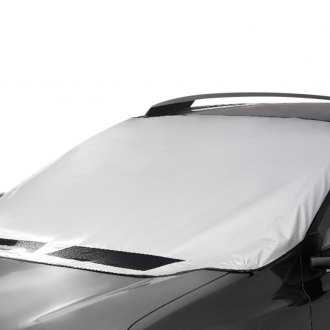
From freezing winter to the dust storms and the scorching sun, the windshield of your car bears it all. We live in a world where the climate keeps changing drastically. These kinds of temperature changes don’t only pose challenges for drivers but for vehicles as well. While windshield covers are a popular investment for summer, we advise using the waterproof, reflective vehicle accessory all year long as it protects your car’s crystal clear windshield glass from scratches and dents.

Are you still confused? Here is a list of the top 7 reasons to use a windshield cover:

1.    Regulates Temperature

The windshield cover is a lifesaver, especially if your area of residence faces extreme climate changes (extreme summers and freezing winters). In simpler words, the temperature of the cabin space of your car can skyrocket in no time when parked in direct sunlight, without any protection. However, the side shades might work for a good 30 to 60 minutes. Imagine leaving your car under the mercy of the sun over the course of your 8-hour work shift.

Getting back inside the vehicle will be no less than a nightmare. This is where a windshield cover comes to the rescue. Not only is this one of the most important reasons to use a windshield cover but also the most essential one, as the windshield cover reflects the sunlight, reducing the inner temperature by 30-degrees in the summers. On the other hand, in the winter, it reduces the cool time by helping maintain the heater’s warmth for a longer time. 

2.    Reduces the Risk of Windshield Scratches

Dents and scratches on the windshield can be dangerous for the driver and affect the value and aesthetics of your car. Such that a single scrape or scratch on the windshield can impact the driver’s visibility, increasing the risk of being a victim of an accident. Moreover, there’s also a great risk that a small abrasion on indentation can increase in size, causing disruption in glare and the field of vision. Using a windshield cover will help in keeping the windscreen in pristine condition and will also lower the risk of scratches and nicks.

3.    Prevents Risk of Ice Build-Up and Protects Your Hands

Have you ever canceled a trip just because the windshield was covered with snow or ice? If yes, you might already know that removing ice and snow from the windshield is a tiresome task that is painful and time-consuming. Even if you use a snow scrapper, the chances are that you might find yourself fumbling for the scrapper and dropping it every now and then. However, if you have a windshield cover, you no longer have to waste time every morning trying to find a pair of waterproof gloves. Instead, all you need to do is unhook the windshield cover, and your car will be good to go!

4.    Improves Visibility

According to statistics, poor visibility causes over 38,000 accidents in the United States every year. Using a windshield cover protects the glass while offering clarity when you are on the road. Doing so will ultimately reduce the risk of you encountering hazards and accidents while driving.

5.    Lowers Risk of Sun Damage

Direct exposure to sunlight isn’t only dangerous for humans but vehicles as well. Manufactured from special reflective material, windshield covers protect your car’s interior from the harmful rays of the sun. This will also protect the paint of your car and slow down the process of fading.

6.    Eliminates the Need to Scrape

Accumulated snow on the windscreen creates a thick layer of ice that is impossible to see through. Even though the defroster system within your car can help in melting away the ice, the mess it leaves behind decreases visibility and causes a huge mess. Traditionally, in order to get rid of the snow, you will need to scrape it off using your hands. However, this can obstruct your line of sight, and you might end up creating scratches in the process. On the flip side, if you try to use a hammer to break the stubborn ice sheet, there are chances that you might crack the glass open. In all cases, the most full-proof solution is to use a windshield cover to protect your car from snow and hail.

Consider a Windshield Cover & Protect Your Vehicle

Though a simple act, using a windshield cover to protect your car will go a long way. From small falling objects to snow and UV rays, the thin layer of protection of a windshield cover will safeguard your vehicle’s windshield from everything. Save your time and money and avoid the hassle of visiting an auto body shop frequently by investing in a windshield cover today!

Categories
austin body shop

3 Things to Look for in a Collision Center

Are you looking for a reputable collision center to repair your vehicle after an accident? With auto repair shops located in every corner of the city, finding a collision center in Austin might be simple, but finding the right one might take some research, time, and thought. The days and weeks after an accident can be quite stressful. You deserve to work with someone who will do the job right the first time and deliver high-quality services at a reasonable price. Therefore, to help you find the right auto body repair shop in Austin, we have created a list of the three things to look for in a collision center. Let’s begin!

1.    Replacement Parts and Repair Techniques

When looking for a collision center, you will want to choose a shop with extensive years of experience working on vehicles of all makes and models, as only then will they be able to provide you with high-quality services and specialized OEM parts in case of a replacement. Also, when inspecting a collision center in Austin, you should first visit their location to have an idea of the cost and quality of the services. A reputed manager will be proud to show you around their facility and introduce you to their team. Also, keep an eye out for the organization and neatness of the collision center. An easy way to do this is by And check out their online reviews.

Whether visiting a collision center for the first time or not, never be afraid to ask questions about how the technicians aim to repair your car. Also, find out if the collision center uses state-of-the-art techniques and technology or not. Here are some questions that you must ask the lead technician of the collision center in Austin:

  • Can my car still be repaired if it has a bent frame?
  • How much is my deductible?
  • How long will it take to repair my car?
  • Can you provide me with a rental car while my vehicle is being repaired?
  • What should I do if my car isn’t driveable?
  • What is your policy in case the technician comes across a new underlying problem that isn’t a part of the original estimate?
  • Can you replace the airbags of my vehicle?
  • Can you match the original paint of my vehicle?
  • What type of replacement parts do you use?

Note that your insurance policy will most probably have specifics on the type of parts that the collision center will use. In case you aim not to use your insurance and pay out of your pocket, then talk to a technician and ask them for their recommendation on which parts will be the best to repair your vehicle. Typically high-reputed collision centers will use OEM replacement parts to replace the damaged structured components of your vehicle and salvaged (recycled) parts to replace the non-structural components of your vehicle.

2.    Check for a Warranty

One of the most important things to look for in a collision center is to find an auto repair shop that offers a warranty on their repairs, maintenance, and services. A reliable collision center in Austin will provide you with a complete warranty on all functioning of the repaired or replaced parts. In case your car develops additional problems or the damage isn’t fixed properly, the technicians of a reputed collision center will inspect your vehicle once again and provide the necessary repairs without you needing to pay any extra bucks. Therefore, when selecting a collision center, make sure to ask the technicians if their shop offers a warranty or not. Note that some collision centers might also offer you a lifetime workmanship guarantee.

3.    Courteous and Helpful Staff

You can tell a lot of the standards of a collision center from their customer service. Whether you stop by a shop or call, make a note of how the technicians of an auto repair shop interact with other customers, each other, and most importantly, how they treat you. Always opt for a collision center that treats everyone with courtesy and respect. The staff shouldn’t only be helpful, but they should make you feel comfortable about your decision.

Contact Us to Learn More about Our Collision Center

No matter how vigilant you are on the road, an accident can happen anytime, resulting in damaging the structure and performance of your vehicle to a great extent. Choosing the right collision center in Austin makes you feel confident as you know that your car will receive the best possible service and repairs. Not only this, but you will experience the highest quality of customer service as technicians ensure that all your insurance claims are handled smoothly. We also recommend researching and opting for a collision center near your home. This way, you will always have a team of professional auto technicians you can trust in the event of an unfortunate accident.

Categories
austin body shop

Certified Collision Repair in Austin, TX

A modern collision repair involves much more than straightening damaged metal and applying new paint. Vehicle structures now incorporate advanced steels, aluminum, electronics, cameras, radar sensors, and other systems that can affect how a vehicle must be inspected and repaired after an accident.

Covert Collision Center combines advanced repair equipment, ongoing technician training, and established collision repair procedures to help Austin drivers restore their vehicles after an accident. As an I-CAR Gold Class collision repair facility, our team continues training as vehicle technology and repair requirements evolve.

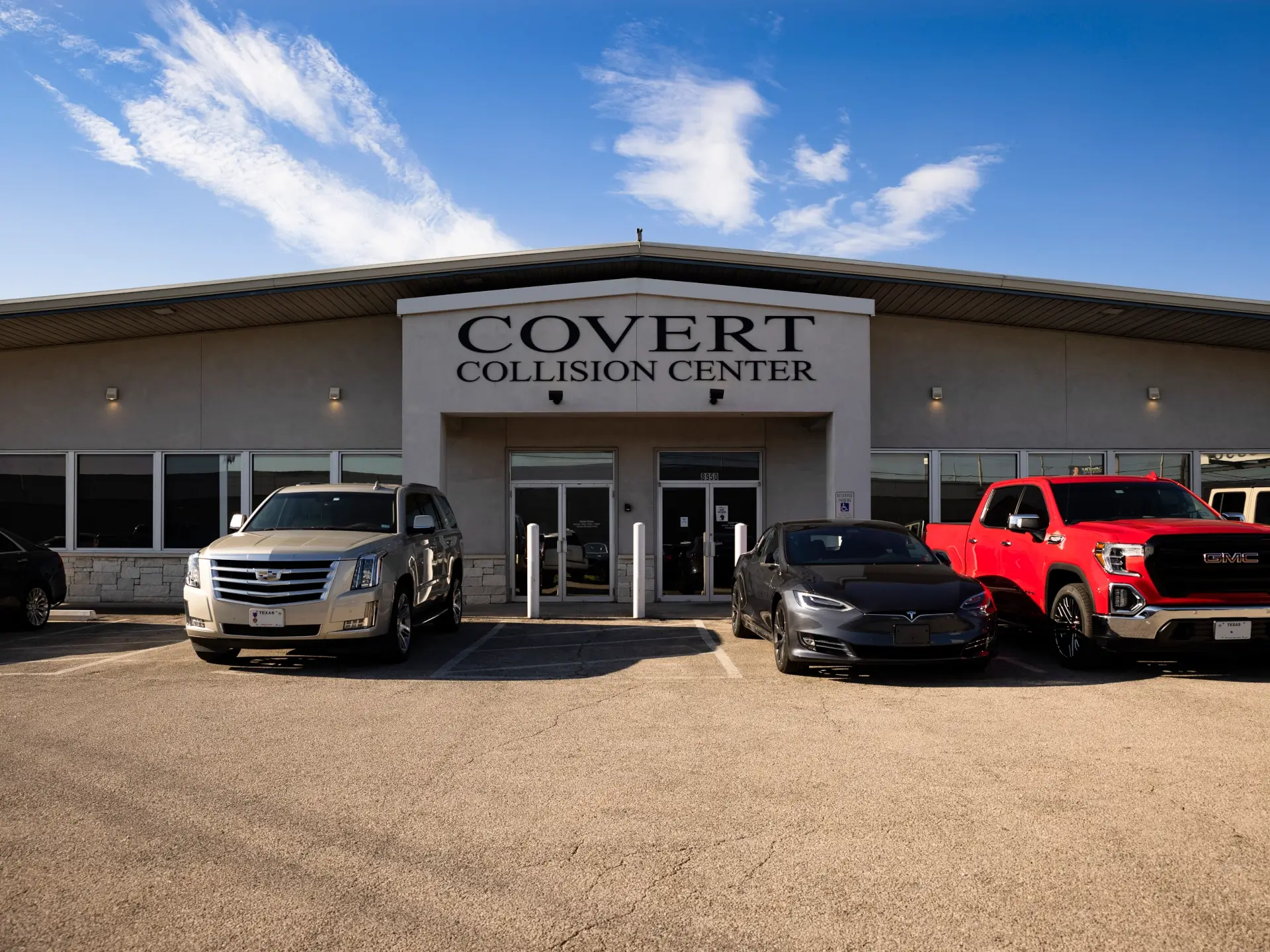
Exterior of Covert Collision in Austin, TX
Covert Collision Center in Austin, TX, providing certified collision repair and auto body repair services.

What Does Certified Collision Repair Mean?

Collision repair certifications are more than logos displayed on a wall. They can involve technician education, equipment requirements, documented repair procedures, ongoing training, and standards established by collision-industry organizations or vehicle manufacturers.

I-CAR Gold Class recognition focuses on role-specific education for the people involved in the repair process, including estimators, structural technicians, non-structural technicians, and refinish technicians. The goal is to keep repair professionals current as vehicle construction, electronics, materials, and repair techniques continue to change.

Manufacturer collision programs can add another layer by establishing vehicle-specific repair procedures, tooling, training, and facility requirements. For example, Ford describes its Certified Collision Network as providing access to technical repair procedures along with shop and inspection requirements.

For vehicle owners, the important question is not simply whether a shop can make collision damage disappear. It is whether the facility has the training, information, and equipment needed to evaluate and repair the vehicle appropriately.

Modern Vehicles Have Changed Collision Repair

A bumper, windshield, mirror, grille, or body panel may now interact with technology that did not exist on older vehicles. Cameras, sensors, electronic modules, advanced materials, and structural components can all influence the repair process after a collision.

That means today’s collision repair technicians may need to consider much more than the visible point of impact.

Vehicle-Specific Repair Procedures

Repair methods can vary by vehicle manufacturer, model, material, and location of the damage. Access to appropriate repair information helps technicians determine whether damaged components should be repaired, replaced, measured, inspected, or handled using a specific procedure.

Structural Measurement and Repair

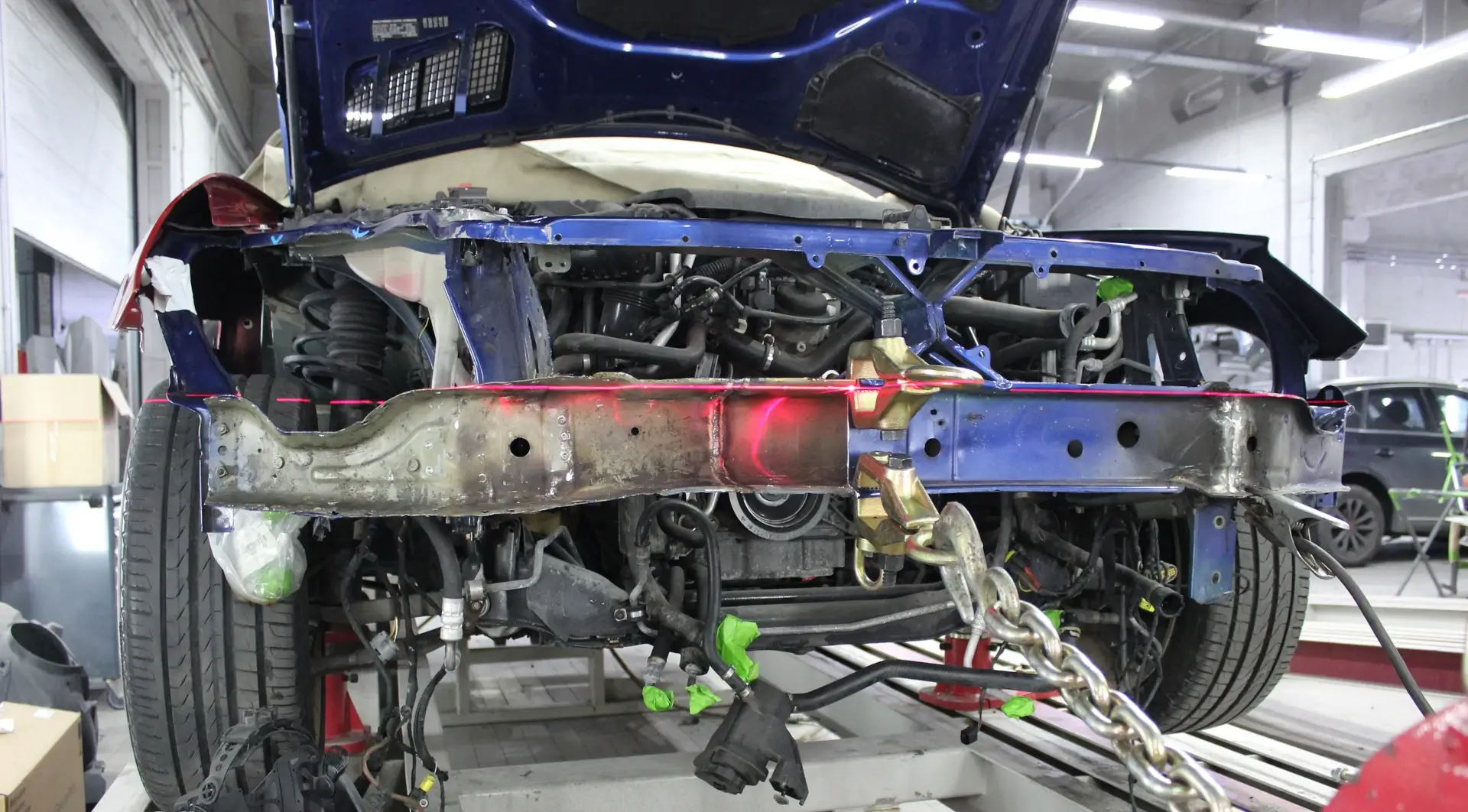
Collision forces can travel beyond the area where the vehicle was visibly hit. Proper structural assessment can help identify changes in vehicle dimensions and determine what repairs may be necessary. Learn more about Covert’s frame and structural repair services.

Steel and Aluminum Repair

Modern vehicles can combine conventional steel, high-strength steels, aluminum, and other materials. These materials may require different repair techniques, equipment, joining methods, and work areas. Covert also provides specialized aluminum repair in Austin.

Diagnostics and Safety Systems

Modern vehicles contain numerous electronic systems that can be affected by a collision. Depending on the vehicle and the damage, diagnostic scanning, system inspection, and additional procedures may become part of the repair process.

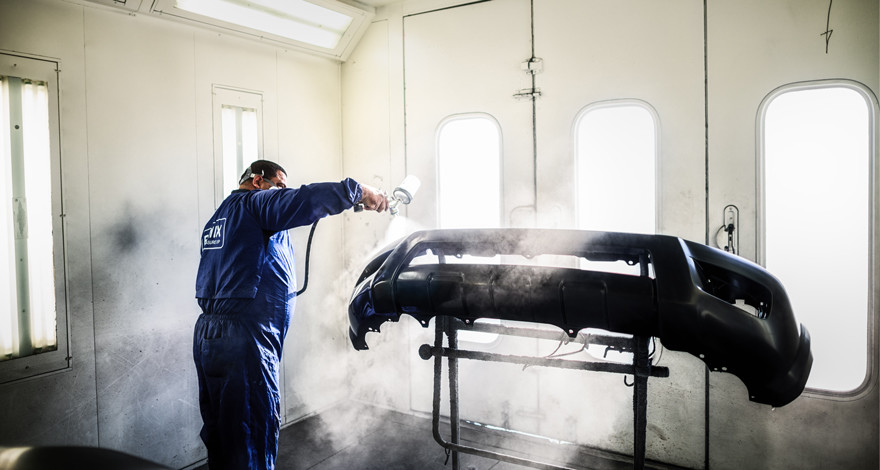
Auto Painting and Refinishing

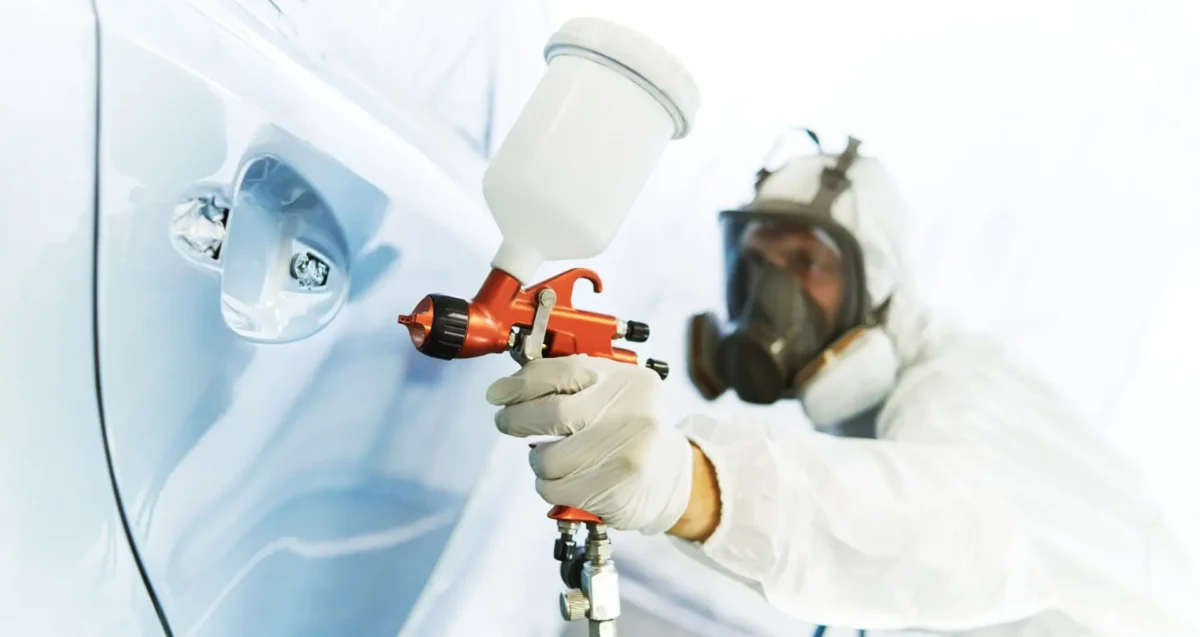
Restoring the vehicle’s appearance requires more than selecting a paint code. Professional refinishing can involve surface preparation, color matching, blending, and controlled application. Learn more about Covert’s auto painting and refinishing services.

Vehicle frame being straightened with measuring system during collision repair
Precision frame straightening ensures your vehicle is restored to proper alignment and safety standards.

Covert Collision Center: By the Numbers

Collision repair capability depends on more than the size of a building or the amount of equipment inside it. However, having dedicated space and specialized equipment gives technicians the resources needed to handle different stages of the repair process.

30,000

Square-Foot Facility

A dedicated Austin collision repair facility with space for body repair, structural work, refinishing, and supporting repair operations.

28

Production Stalls

Dedicated work areas that help support an organized collision repair process from vehicle disassembly through repair and reassembly.

6

Car-O-Liner Frame Machines

Structural repair and measuring equipment available for vehicles requiring collision-related frame and structural work.

3

Garmat Paint Booths

Dedicated waterborne refinishing facilities used during the painting and refinishing stages of the collision repair process.

Specialized Aluminum Repair: Covert’s facility also includes a segregated aluminum repair area for vehicles requiring specialized aluminum repair procedures.
Technician refinishing a vehicle bumper inside an automotive paint booth
Professional auto painting and refinishing at Covert Collision Center in Austin, TX.

I-CAR Gold Class Collision Repair

Covert Collision Center is an I-CAR Gold Class collision repair facility. Gold Class recognition is centered on continuing collision repair education and role-specific training for the people involved in the repair process.

The value of that training goes beyond the certification itself. Vehicle construction, materials, electronics, safety systems, and repair procedures continue to change. Ongoing education helps collision repair professionals keep pace with those changes and understand the procedures involved in repairing newer vehicles.

For Covert customers, that means choosing a facility that continues investing in the knowledge and capabilities required for modern collision repair.

Certified Repair Goes Beyond Appearance

A repaired vehicle should look right when it leaves the collision center, but appearance is only one part of the repair process. Depending on the accident and the vehicle, collision repair can involve several different stages.

  • Vehicle damage assessment and repair planning
  • Structural measuring and repair
  • Body panel repair or replacement
  • Steel or aluminum repair procedures
  • Diagnostic scanning and system evaluation
  • Inspection of affected electronic and safety systems
  • Paint preparation, color matching, and refinishing
  • Vehicle reassembly
  • Final quality checks

Covert provides a range of services for vehicles damaged in accidents, including collision repair, auto body repair, frame and structural repair, paintless dent repair, and auto painting and refinishing.

Manufacturer-Specific Collision Repair Expertise

Vehicle manufacturers develop repair information and procedures based on the design, construction, materials, and technology used in their vehicles. Manufacturer certification programs can also include requirements involving technician training, specialized equipment, facility capabilities, and access to repair documentation.

Covert Collision Center continues to invest in the training, equipment, and repair capabilities needed to work with today’s increasingly complex vehicles.

When repairing a collision-damaged vehicle, the goal is not to apply the same process to every make and model. The repair plan should reflect the vehicle, the type of damage, and the procedures appropriate for that repair.

Why Choose Covert for Certified Collision Repair in Austin?

Modern collision repair depends on training, equipment, repair information, and the ability to work with increasingly complex vehicle construction and technology.

Ongoing Collision Repair Training

Vehicle technology continues to change, which makes ongoing technician education increasingly important. Covert continues investing in collision repair training as vehicle structures, materials, and safety systems evolve.

Advanced Structural Repair Capability

Covert’s facility includes dedicated structural repair and measuring equipment for vehicles affected by collision-related frame and structural damage.

Specialized Aluminum Repair

Aluminum components can require different repair methods and equipment than conventional steel. Covert maintains a dedicated aluminum repair area for vehicles requiring specialized aluminum work.

Professional Refinishing

Dedicated paint booths, color-matching processes, and professional refinishing equipment support the final stages of restoring repaired body panels.

Help Throughout the Collision Repair Process

Covert can also assist customers with related needs such as towing, rental transportation, repair authorization, estimates, and insurance-related repair information.

Certified Collision Repair FAQs

Answers to common questions about certified repair, vehicle technology, and the collision repair process.

Is I-CAR Gold Class the same as a manufacturer certification?

No. I-CAR Gold Class is an industry training recognition for collision repair businesses. Manufacturer certification programs are separate programs that may establish requirements specific to particular vehicle brands.

Why does the vehicle manufacturer matter after a collision?

Vehicle construction, materials, attachment methods, electronics, and repair procedures can differ between manufacturers and even between individual models. The appropriate repair approach depends on the vehicle and the damage involved.

Can modern safety systems be affected by collision damage?

Yes. Cameras, sensors, radar units, mounting points, electronic modules, and other components can be located in areas commonly affected by collisions. Depending on the vehicle and damage, these systems may require additional inspection or procedures during the repair process.

Does certified collision repair only matter after a major accident?

No. Even relatively localized collision damage can involve modern materials, sensors, structural mounting points, or other components that need to be evaluated before determining the appropriate repair.

Can Covert help with an insurance claim?

Covert Collision Center can help customers work through the collision repair process and insurance-related repair documentation. Visit our insurance claims information for additional details.

Need Certified Collision Repair in Austin?

If your vehicle has been damaged in an accident, Covert Collision Center can help you understand the damage, the repair process, and the next steps.

Whether your repair involves body panels, structural components, aluminum, refinishing, or modern vehicle technology, our team is ready to help get the repair process started.

Categories
austin body shop

3 Signs You Need a Wheel Replacement in Austin

Caught up in our busy lives and demanding schedules, we rarely have the time to conduct a thorough wheel check-up to know if they need replacing or not. This is where this article comes in!

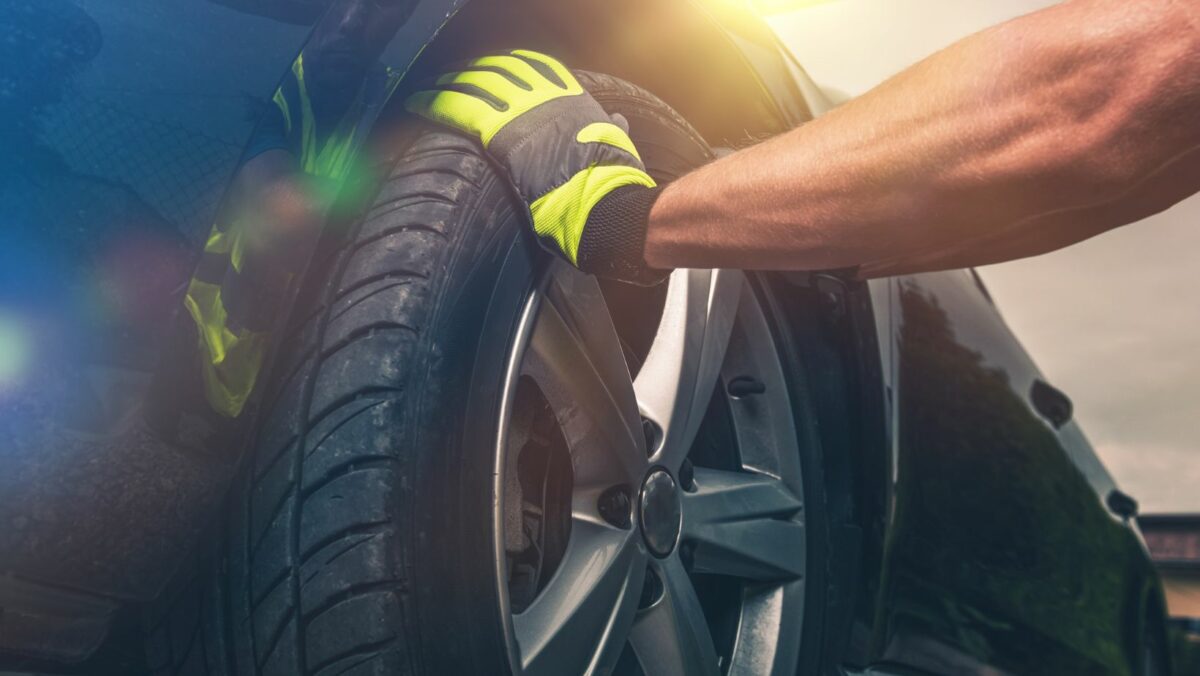
Just like your feet get sore after a long walk, the wheels of your cars wear down a bit every time you drive. This isn’t always a result of impaired driving but an inevitable fact of life. Similar to everything else in this world, tires age and so they can wear out.

Tires are the base of your vehicle and play an important role in maintaining the vehicle’s performance, efficiency, and safety. This makes it extremely important for you to notice the signs of wheel replacement before it’s too late. To help you out, we have compiled a list of three warning signs that indicate you need a wheel replacement in Austin. So, without further ado, let’s begin.

1.    Too Much Vibration

When driving on a poorly paved road, some amount of vibration is normal. So, if you have been driving for a while, you will probably know the difference between normal vibrations and vibrations that indicate an underlying malfunction.

Abnormal vibrations can be because of underlying problems such as unbalanced or misaligned wheels or problematic shock absorbers. Simply put, too many vibrations indicate that you must take your vehicle for a wheel replacement in Austin.

Even if the tire isn’t the primary cause of vibration, if not dealt with on time, it can result is causing severe damage to the vehicle tires. So, if gripping the steering wheel feels like a bad case of shimmy-shimmy shakes, and the vibrations intensify as you reach 40 to 50 mph, get your car inspected by a technician right away.

2.    Tread Depth

Treads are the stubbly grooves and bumps covering the outside surface of the tire. They provide traction to your car, minimizing the chances of losing control on the road. Ideally, the tread of the tire shouldn’t fall below 1/16 inch in depth. While you can buy a gauge to measure the depth of the tread, here is an old trick that works wonders:

Take a Lincoln penny. Now place it upside down in the center of the thickest tread, ensuring that the Lincoln is facing you. If you are able to see the top of Lincoln’s head, it means that you need a wheel replacement in Austin sooner rather than later. However, if you are unable to see the hair on Lincoln’s head, it means that your tire has enough life left and it doesn’t need replacing.

Tires don’t wear evenly, so insert the coin at several places on the inside surface of the tire. Although tires generally wear more on the inside, over-inflated tires wear more in the middle. Use a tread depth gauge to get a more accurate measurement.

3.    Cracks and Cuts in the Sidewall

Cracks and cuts on the sidewall of the tires are one of the most prominent signs that you need a wheel replacement in Austin. Tires are usually made using rubber which tends to degrade over time. Not only this, but sharp or uneven objects on the road can also cause significant damage to the tire. This can result in cracking the sidewall of the tire.

So, keep an eye on the wheel’s surface that you can see when you park your car and get the tires checked as soon as you see disorientation in its shape.

Contact Us for a Wheel Inspection

There are many signs that indicate that your tires are nearing the end of their life. The presence of embedded nails and cracked valve caps are also indicators that you need a wheel replacement in Austin. Neglecting the wheel damage signs only increases the danger of a tire failure while driving on the road, which increases the chances of getting into an accident.

Take your vehicle to a repair shop right away if you notice any damage or unsettling symptoms on the wheels. The technicians will conduct a thorough tire examination and will inform you if you need a wheel replacement in Austin or not.

No matter how well-maintained your car is, do not forget to bring your vehicle for a wheel replacement in Austin every six years.

Warning: Replace your tire as soon as you notice any exposed inner tire components in the tread or sidewall, such as metal or fabric cords. Exposed materials significantly increase tire blowout or rapid air loss danger. In order to increase the lifespan of your tires, you should rotate and inspect them often.

In all-wheel drive or four-wheel drive vehicles, tires should always be replaced as a set of four, and in two-wheel drive vehicles, at least as a pair (front or rear drive). It is best if all four tires still have an equal amount of tread depth.

Categories
austin body shop

Ways to Protect Your Car’s Paint

Getting a new car paint job isn’t only expensive but also reduces the resale value of your vehicle. This is why car owners are continuously looking for effective yet affordable ways to protect their car’s original factory paint. To help you out, in this article, we have compiled 5 ways to protect your vehicle’s paint as advised by the experts at the car paint shop in Austin.

1.    Invest in a Good Quality Cover

One of the simplest things you can do to protect your car’s paint is to shield it with a high-quality and water-resistant cover, especially if you park your car outdoors. This way, birds and other elements of nature who are aiming to damage your car’s finish will not be able to harm your car or its paint. Furthermore, even if you are parking it in a garage, it is best to put a car cover on it as it will prevent dust from settling on the surface and damaging the paint.

2.    Use Paint Sealant

Paint sealants are similar to automobile wax but more effective. They are easy to apply, go well with wax and polish, and, when applied properly, can provide the appearance of glass. Since you only need to reapply once every six months, the effects also remain longer. It does, however, have some drawbacks. Paint sealants need more preparation than waxing since they might bring up paint flaws like scratches and swirl lines. This is why it is recommended to hire a car paint shop in Austin expert for the job.

3.    Wash and Dry Your Car Regularly

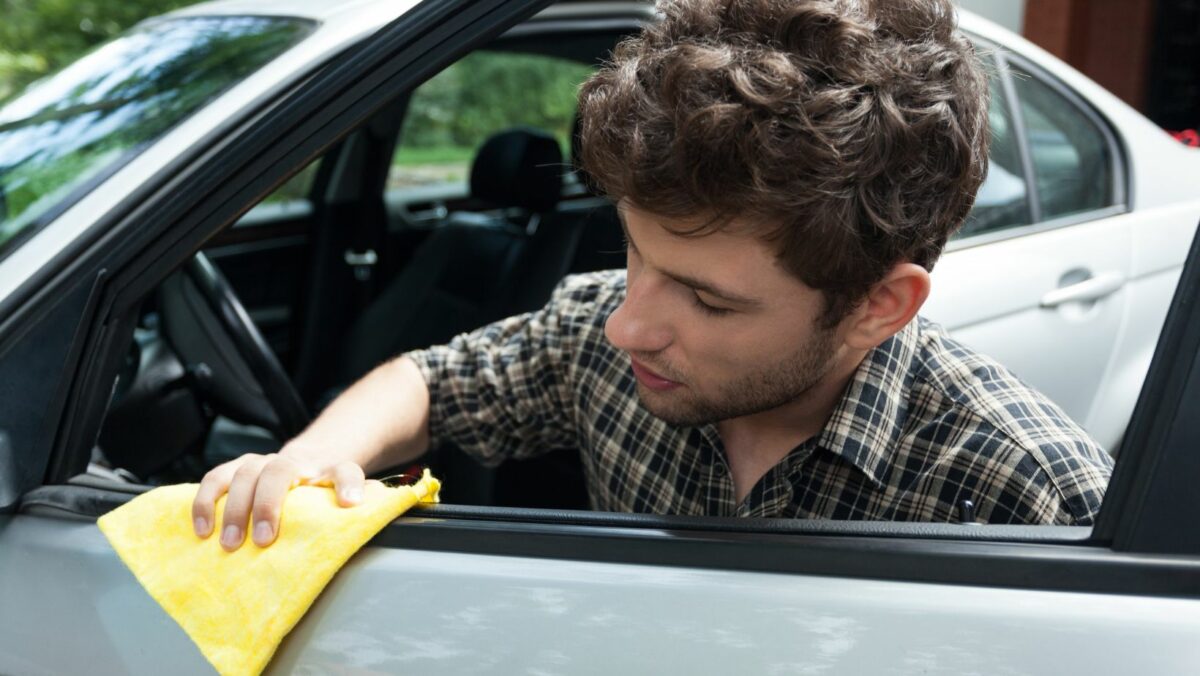
Regularly washing your car may greatly decrease the damaging effects of UV rays and get rid of all the built-up dust, filth, and grime that could damage the external finish of your car (at least once a week if you use it every day during the work week). Sounds quite easy, doesn’t it?

Unfortunately, a lot of vehicle owners don’t realize how important it is to thoroughly clean their cherished vehicles after each use. And some people don’t even know how to do it correctly. Here is a step-by-step guide on how the experts at the car paint shop in Austin wash every vehicle:

  • Step 01: When you decide to wash your car, choose a spot with plenty of shade. Remember to use a soft and clean cloth to remove all the grime, dust, and dirt.
  • Step 02: Use a gentle automotive cleaner, some water, and a clean cotton cloth to thoroughly clean your car. Never use regular soap or dish detergent to clean the car’s surface.
  • Step 03: Carefully remove bird droppings and hard mud stains. You can use an automotive cleanser or no-salt seltzer to remove the dried bird droppings and an automotive clay bar to remove the mud stains.
  • Step 04: Now, use a water pipe to rinse the vehicle’s exterior. Last but not least, use a clean cotton rag or a microfiber towel to wipe off excess moisture.

4.    Park It Right

Always park in the shade after using your new automobile if you’re looking for effective ways to keep the paint from being damaged. It is, without a doubt, one of the quickest, least expensive, and risk-free ways to protect your car from UV rays, acid rain, and bird droppings. It would be nice to have a separate garage at home, but if you don’t, think about spending money on a temporary auto shelter to prevent the paint from fading. Alternatively, you may get a high-quality car cover to provide your vehicle with the necessary protection.

5.    Polish with Wax

Waxing your car doesn’t only improve the luster of the paint but also makes sure to keep your car in its pristine condition. The polish acts as a protective shield, saving your car from UV rays, bug splatters, and bird droppings. Furthermore, it also reduces the drag force applied to your vehicle, increasing its fuel efficiency.

According to the experts at the car paint shop in Austin, you should apply a coat of wax every six weeks in order to protect the paint and keep it clean. Car wax comes in all kinds of forms, including liquid and solid paste. Some car waxes give your vehicle a great finish, while others are designed to polish and protect the paint in a single go.

Contact Us to Learn More About Protecting Your Paint

Practically speaking, protecting your car’s paint shouldn’t be as difficult as everyone says. When you buy a car, it comes with lots of responsibilities which makes it essential for you to ensure that you put some effort and time every day into keeping the vehicle in its best condition. 

While tips such as washing your car, using a car cover, and parking it in the right spot are mandatory, the rest can be used as per your choice and convenience. As the experts at the car paint shop in Austin advise, “Don’t overburden yourself and always opt for the car paint protection hacks that work for you.”

Categories
austin body shop

How to Care for Your Austin Car Paint After A Repair

How To Care For Your Austin Car Paint After A Repair
Auto Body  Shop Near You

Common Sense Car Paint Care In Austin

Caring for your Austin car paint after having some auto body work done is a significant part of the process. Not only does the paint need to look great, but it also needs to last long enough for you to enjoy the vehicle at its maximum potential. Your automotive technician should give you some tips, but if you want to get the best results, you will need to learn how to take care of your vehicle yourself.

Ways To Care For Your Austin Paint After It Has Been Repaired

Do Not Expose Austin Car Paint to Sunlight

While you may be tempted to get your vehicle back on the Austin streets as quickly as possible, this can cause more problems than it solves. The sun’s ultraviolet rays can cause the base coat used in automotive painting to dry too quickly, resulting in cracking that will require an additional repair.

The new Austin car paint should not be exposed to direct sunlight for at least three days after a repair. This means avoiding parking in full-sun areas like driveways and parking lots, even if you can park under trees. Even if the tree is small, its leaves may cast enough shade on your vehicle to affect the paint job. If you have a garage, keep your vehicle there for at least a few days after it returns from the body shop.

Treat Your Car with a Wax Finish

Waxing is a great way to protect your car paint after a minor repair. A wax finish helps protect the Austin car paint from the elements and makes your car shine like it’s brand new. You can use a wax product on your own to make sure that the job is done right every time. Waxing should be done regularly, at least four times per year. You should also wash and dry your car before each application of wax. The more often you keep up with this maintenance routine, the better off your car’s paint will stay for years down the road.

Avoid Using Household Cleaners on Austin Car Paint

You may be tempted to use a household cleaner on your car to scrub off bugs or other debris. This can damage the finish and cause the Austin car paint to fade or discolor. Avoid using household cleaners to care for the newly painted area of your vehicle. Household cleaners are designed to remove troublesome stains from kitchen countertops and bathroom sinks, not delicate surfaces like car paint. The chemicals in these cleansers can strip away wax and even damage your vehicle’s clear coat, making it look duller than the rest of your car’s exterior.

Do Not Slam on the Brakes

Most paint jobs have an invisible clear coat of protection on top. When you take your new car out for a spin, that clear coat is still curing and softening. If you slam on the brakes, it can rub off a bit of the Austin car paint underneath and leave a mark. This is not an issue anymore once the clear coat is fully cured, probably a week or so after the paint job. This is why it is vital to avoid slamming on the brakes or driving too fast immediately after having your car painted.

Give Your Car a Clay Bar Treatment

After completing any auto body repair that requires touch-up paint, you should use a clay bar on your car’s surface. Clay bars are used to remove contaminants and other small particles embedded in the clear coat of Austin car paint. These contaminants and particles can cause the paint to look dull and even scratch the clear coat over time if they are not removed. Clay bars are made of a soft, pliable material that lifts off any foreign particles that may still be stuck on the clear coat after washing.

The clay bar sticks to the contaminants on your paint and removes them without damaging your car’s clear coat. A clay bar treatment will leave your car with a smooth glossy finish.

Save Austin Car Paint from Bird Droppings

Bird droppings are acidic and can cause damage to the paint on your car. When wet, this acid can burn through the clear coat of the paint on your vehicle and expose the metal surface beneath. Even if you never park under trees or near bird feeders, you may still encounter bird droppings and other acids that damage Austin car paint.

If your car is exposed to bird droppings regularly, keep your car covered. This is by far the best way to protect against bird droppings. If you do not have a garage where you can store your vehicle, you should consider buying a car cover to protect against bird droppings and other issues that could damage your vehicle’s paint job.

Looking for the Best Car Paint Auto Body Shop in Austin, Texas?

After the car paint repair, you must care for your car. The best way to do it is to follow the tips shared above. This will keep your car’s paint protected. If the problem has already set in, you should consider an Austin car paint repair immediately.

Not only do we have the expertise and experience, but also the latest tools and equipment to restore your car to its pre-accident condition. We have fixed thousands of cars to date, from minor dings to serious collision damage, so we’re confident that we offer the best quality accident repair in Austin, Texas.

We also can help you with insurance claims as well as provide towing services.

Quick Connect

If you have been in an accident and require quick assistance please call us at (512) 476-4101.

Our Goal is to Get You Back
on the road Safely.

Call Us Today:

Hear From Our Happy Customers

Categories
austin body shop

Driving in the Rain In Austin, How to Do It Safely in

Driving In The rain in austin | how to do it safely
Auto Body  Shop Near You

Avoid An Accident In Austin Driving In The Rain

Rain can make Austin roads more difficult to drive on, especially during sudden downpours, heavy traffic, construction, low visibility, and slick road conditions. Even experienced drivers can be caught off guard when traffic slows quickly, tires lose traction, or standing water causes a vehicle to hydroplane.

The good news is that many rain-related accidents can be avoided with slower speeds, better following distance, working wipers, good tires, and defensive driving. When roads are wet, small driving habits can make a big difference.

Here are practical ways to drive more safely in the rain in Austin and what to do if wet weather leads to an accident or vehicle damage.

Key Takeaways

  • Slow down when roads are wet. Rain reduces traction and increases stopping distance, especially during heavy traffic or sudden downpours.
  • Increase your following distance. Leaving more space gives you more time to react if traffic stops suddenly.
  • Good tires and wipers matter. Worn tires and poor visibility can increase the risk of hydroplaning or rear-end accidents.
  • Avoid sudden braking or sharp steering. Smooth driving helps maintain traction on wet roads.
  • Have accident damage inspected. Even a rain-related fender bender can cause hidden bumper, body, wheel, or structural damage.

1. Slow Down Before Conditions Get Worse

One of the most important things you can do in rainy weather is reduce your speed. Posted speed limits are designed for normal conditions, not heavy rain, poor visibility, standing water, or stop-and-go traffic. Driving too fast on wet roads gives you less time to react and increases the risk of losing traction.

Rain can also mix with oil and road grime, making the pavement especially slick when storms first begin. This can happen quickly in Austin, where sudden downpours may follow long dry periods.

To drive more safely:

  • Slow down before entering heavy rain or standing water.
  • Avoid rushing through intersections or highway exits.
  • Give yourself extra time to reach your destination.
  • Use extra caution on bridges, ramps, construction zones, and curves.
  • Do not use cruise control in heavy rain or slick conditions.

2. Increase Your Following Distance

Wet roads increase stopping distance. If you follow too closely, you may not have enough time to stop when the driver ahead brakes suddenly. This is one of the most common causes of rain-related fender benders and rear-end collisions.

In dry conditions, many drivers already follow too closely. In rain, that habit becomes even more dangerous. Leave extra room so you have time to slow down gradually instead of braking hard.

If you are involved in a low-speed crash or rear-end accident, read our guide on common causes of fender benders in Austin.

3. Check Your Tires Before Rainy Weather

Tires are one of the most important safety items during wet weather. Worn tires have less ability to move water away from the road surface, which can increase the risk of hydroplaning. Low tire pressure, uneven wear, or damaged sidewalls can also affect handling.

Before driving in heavy rain, check for:

  • Low tire pressure.
  • Worn tread.
  • Uneven tire wear.
  • Sidewall bulges, cracks, or cuts.
  • Vibration or pulling while driving.

If your vehicle recently hit a pothole, curb, or road hazard, have the tires and wheels inspected. Our guide on Austin pothole damage explains what to watch for after a hard road impact.

4. Use Your Windshield Wipers and Defroster Properly

Good visibility is essential when driving in the rain. If your windshield wipers streak, skip, squeak, or leave water behind, replace them before the next storm. Worn wipers can make it difficult to see lane markings, traffic lights, pedestrians, and vehicles ahead.

Fogged windows can also create visibility problems. Use your defroster, air conditioning, and proper ventilation settings to help keep the windshield clear. Clean interior glass can also reduce glare and fog buildup.

Before rainy weather, make sure:

  • Your wiper blades are in good condition.
  • Your washer fluid is full.
  • Your windshield is clean inside and out.
  • Your defroster is working properly.
  • Cracks or chips in the windshield are inspected before they spread.

5. Avoid Hard Braking and Sudden Steering

Sudden braking, fast acceleration, and sharp steering can cause a vehicle to lose traction on wet roads. Smooth inputs are safer. Brake earlier than usual, turn gradually, and avoid abrupt lane changes.

If you begin to hydroplane, avoid slamming on the brakes or jerking the steering wheel. Ease off the accelerator, keep the steering wheel steady, and allow the vehicle to regain traction.

If a rain-related accident leaves your vehicle damaged, our Austin car accident repair guide explains what steps to take after a collision.

6. Turn on Your Headlights

Headlights help you see and help other drivers see you. During heavy rain, dark skies, road spray, and low visibility can make vehicles harder to spot. Turning on your headlights can make your vehicle more visible to surrounding traffic.

Do not rely only on daytime running lights. In some vehicles, daytime running lights may not turn on the rear lights. Use your regular headlights when visibility is reduced.

Also check that your brake lights, turn signals, and hazard lights are working. If your vehicle was recently hit and a light is cracked, loose, or not working, have it repaired before driving in poor visibility.

7. Watch for Standing Water and Hydroplaning

Standing water can collect quickly on Austin roads during heavy rain. Driving through water too quickly can cause hydroplaning, reduce steering control, damage underbody parts, or create a splash that blocks visibility.

Be especially careful near low spots, road edges, intersections, and areas where drainage is poor. If you cannot tell how deep the water is, do not drive through it. Water can hide potholes, debris, curbs, and road damage.

If driving through standing water causes scraping, impact damage, loose parts, or warning lights, stop when safe and inspect the vehicle. Our article on driving a damaged vehicle in Austin explains when damage should be checked before you continue driving.

✓

Rainy Day Driving Safety Checklist

Before driving in heavy rain, use this quick checklist to reduce your risk of an accident.

  • Slow down and allow extra travel time.
  • Increase your following distance.
  • Turn on your headlights when visibility is reduced.
  • Use wipers and defrosters to keep the windshield clear.
  • Check tire pressure and tread condition.
  • Avoid sudden braking, sharp turns, and aggressive lane changes.
  • Watch for standing water, flooded areas, and potholes.
  • Avoid using cruise control in heavy rain.
  • Pull over safely if visibility becomes too poor.
  • Inspect your vehicle after any impact, slide, curb hit, or collision.

What to Do If You Get Into an Accident in the Rain

If you are involved in an accident during rainy weather, start with safety. Check for injuries, move to a safe location if possible, turn on hazard lights, and call for emergency help when needed. Wet roads and low visibility can increase the risk of a second accident, so stay aware of traffic around you.

After everyone is safe, document the accident. Take photos of vehicle damage, road conditions, standing water, traffic signals, license plates, and insurance information. If a police report is needed, get the report number for your records.

Even if the damage looks minor, have the vehicle inspected. Rain-related accidents can involve bumper damage, hidden damage, wheel impacts, alignment concerns, cracked lights, damaged sensors, or structural issues.

Common Vehicle Damage After a Rain-Related Accident

Wet-weather accidents often involve sudden stops, sliding, hydroplaning, curb impacts, or low-speed collisions. Depending on the impact, your vehicle may need more than cosmetic repair.

Common damage may include:

  • Bumper damage.
  • Scratches, scuffs, and paint damage.
  • Dented fenders, doors, or quarter panels.
  • Broken headlights, taillights, or turn signals.
  • Loose trim, splash shields, or underbody panels.
  • Wheel, tire, suspension, or alignment issues.
  • Hidden damage behind bumper covers or body panels.
  • Frame or structural damage in more serious impacts.

If you are unsure whether your vehicle is safe after a crash, read Is Your Car Safe to Drive After a Minor Accident?

Why Hidden Damage Should Be Checked

After a rain-related accident, the visible damage may not tell the whole story. A bumper cover may hide broken brackets, crushed absorbers, sensor damage, or structural concerns. A curb impact may affect alignment, wheels, tires, or suspension. A low-speed slide can still damage panels, lights, and paint.

A professional inspection can help identify visible and hidden damage before repairs begin. If additional damage is found after disassembly, the repair shop may need to document it and communicate with the insurance company.

For more information, visit our guide on how to spot hidden vehicle damage after an accident.

Need Collision Repair After a Rain-Related Accident in Austin?

Rainy weather can make Austin roads unpredictable. Slowing down, increasing following distance, using headlights, keeping tires in good condition, and avoiding sudden maneuvers can help reduce your risk of an accident. But if a wet-weather crash does happen, it is important to have the vehicle inspected and repaired properly.

Covert Collision helps Austin-area drivers with collision repair, auto body repair, frame and structural repair, auto painting and refinishing, and accident-related vehicle damage.

Request a Free Online Estimate or visit our contact page to get in touch with Covert Collision.

Quick Connect

If you have been in an accident and require quick assistance please call us at (512) 476-4101.

Our Goal is to Get You Back
on the road Safely.

Call Us Today:

Hear From Our Happy Customers

Categories
austin body shop

These Austin Driving Habits Are Damaging Your Car

Austin Driving Habits That Are Damaging Your Car
Auto Body  Shop Near You

How Bad Driving Habits Effect Your Vehicle

Driving is most people’s favorite pastime, but not everyone loves their car. Many drivers have habits and behaviors that are bad for their cars. If you are one such driver, you probably know that the way you drive has a significant impact on your car’s health and your wallet. How you drive can affect fuel economy, maintenance costs, and more. Your driving habits also affect how long your car will last, so it is essential to know what to avoid.

Damaging Austin Driving Habits: 6 Most Common Ones

Excessive Idling

Excessive idling is one of the most common damaging driving habits that damages your car and wastes fuel. The longer you idle, the more oil builds up on the cylinder walls, which reduces the engine’s efficiency. In addition, excessive idling can cause more significant wear and tear on your engine components and even void your warranty. If you are going to be stopped for more than thirty seconds, it is better to turn off your engine rather than leave it idling. You will save yourself some gas money and reduce emissions while cutting down on unnecessary wear and tear.

Riding the Brake Pedal

Riding the brake pedal, also called brake riding, is a damaging driving habit that wears out your brakes faster than intended. Brake riding, when you keep your foot on the brake while driving, will cause your brakes to wear out much more quickly than they should. Though it is acceptable to lightly tap the brakes while driving, keeping your foot on the brake pedal for prolonged periods will significantly decrease the life of your brakes.

Shifting Gears Between Drive Reverse Repeatedly

Another lousy driving habit that may damage your vehicle is repeatedly shifting gears between drive and reverse. When you shift into reverse with a manual transmission, parts inside are called synchronizers to help engage with the transmission assembly to change gears smoothly. If you switch from drive to reverse multiple times in quick succession, it is a damaging driving habit and may cause these gears to break down prematurely over time.

Not Avoiding the Potholes

Driving over potholes and speed bumps too quickly or too slowly can severely damage your car. Going over them too fast can cause you to bottom out and damage the vehicle’s undercarriage while going over them too slowly can put unnecessary strain on the suspension system.

Potholes are hard to avoid, and driving over them too quickly or slowly can damage tires and shock absorbers. Certain cars are more susceptible to damage from potholes, including sports and luxury vehicles. If you are driving over a pothole and have this damaging driving habit, slow down and make sure you are going at a steady speed to minimize the impact on your car.

Repeated Aggressive Turnings

When you drive aggressively around corners, you can damage the suspension and steering components of your car. The suspension and steering system is designed to handle a certain amount of force. If that force is exceeded, parts may break or wear out prematurely. The severity of this depends on how you drive. A single mild-to-moderate turn will not cause much harm, but repeated aggressive turns will cause wear and tear.

As you round the corner, steer smoothly into it and out of it again – this will help avoid your car losing traction or slipping and overcome your damaging driving habit. An excellent way to remember this is to apply the same technique we use as kids with our toy cars on the floor – slow into it and fast out again.

Not Watching out for Standing Water

In the summertime, heavy rains can cause flash floods in many parts. Water often rushes over roads, particularly in low-lying areas or places where drainage is poor. At first glance, driving through deep water may seem harmless — after all, cars are designed to be driven on wet roads. But driving into a flooded street can have disastrous results if the depth of the water is not considered first.

Water gets into the engine compartment and damages electronics and other sensitive components. This is more likely with newer cars because they often have more electronics than older vehicles. Few drivers have the skills to drive safely through deep water, even if you are confident in your ability to drive safely through deep water to avoid this damaging driving habit.

Best Austin Auto Body Shop For Vehicle Repairs

Different people have different driving habits, so these habits may or may not apply to you. At times, it might be good to review your driving habits and make sure you are not inadvertently damaging your car. With proper care, you will not only lengthen the life of your car, but it will also save you money since you would not need excessive repairs along the way.

Not only do we have the expertise and experience, but also the latest tools and equipment to restore your car to its former condition. We have fixed thousands of cars to date, from minor dings to serious collision damage, so we’re confident that we offer the best quality accident repair in Austin, Texas.

We also can help you with insurance claims as well as provide towing services. Get in touch with our team right away!

Quick Connect

If you have been in an accident and require quick assistance please call us at (512) 476-4101.

Our Goal is to Get You Back
on the road Safely.

Call Us Today:

Hear From Our Happy Customers

Categories
austin body shop

How to Protect Your Austin Car From Sun Damage

How to Protect Your Car From Sun Damage
Auto Body  Shop Near You

Don't Let The Sun Damage Your Austin Vehicle

Vehicle and sun damage go hand-in-hand in Austin. Did you know that the exterior temperature of your car can go up to 200 degrees Fahrenheit whereas the interior temperature can rise up to 145 degrees Fahrenheit if left under the sun for a longer period? This is primarily because cars aren’t designed to be heat or sun-proof, and so consistent exposure to direct sunlight can adversely affect your vehicle’s structure and functionality, especially affecting the battery and engine. Therefore, to make things easier for you, we have compiled a list of practical ways to protect your car from sun damage this summer. Read on to find out!

Protecting The Exterior Of Your Austin Vehicle

Due to the increasing temperature, the exterior of your vehicle is the first thing to be hit. With ultra-violet rays the strongest in summer, prolonged exposure can oxidize the exterior coating of your car, resulting in color change or fade. Moreover, if not dealt with in time, it can also cause the exterior of your vehicle to become brittle and weak, resulting in the deformation of your car’s structure. Here are some common ways to protect your car from sun damage:

Wash and Dry Your Car Frequently

Washing your vehicle often helps get rid of dead bugs, minerals, dirt, and debris that can get stuck on the external surface of your vehicle. If not washed properly, these unwanted particles can react with the high heat of the sun and cause the fading of the paint. Moreover, these bugs can undergo bacterial decomposition, which can further damage the surface of your car. Therefore, to protect your car from sun damage, it’s best to wash it almost regularly using laundry detergents as they are specially formulated for a car’s surface. Once done with the wash, use a microfiber cloth to hand dry your car’s exterior and to get rid of all the remaining grime.

Park Your Car Under a Shade

Though this might sound simple, did you know that most of the time, people are too lazy to find a shady place to park their vehicle and just park it right under the sun, especially if they are short of time. On the other hand, parking your car under a shade can cool its temperature by 20 degrees as well as the shade works as a protective shield against harmful UV rays. Therefore, the next time you search for a parking spot, take out 2 to 5 extra minutes to find a cool and shady spot, as it’s one of the easiest ways to protect your car from sun damage.

Get Paint Protection Film

The paint protection film is one of the best investments to protect your car’s exterior from sun damage. Like sunscreen, it’s an invisible layer that acts as a shield of protection for your car. Getting a full paint protection film will also cut down on your vehicle’s maintenance cost, as with the paint protection film, your car will age slower while its revalue will increase over time.

Keep a Regular Check on the Tire Pressure

Although it might seem irrelevant, having a regular check on the tire pressure can protect your car from sun damage. Continuously driving your car can make its tires under-inflated, which can burst due to the increased heat and temperature. Therefore, it’s best to get the tires checked before every summer and make sure that you get follow-up tire pressure checks every month.

Protecting The Interior Of Your Austin Vehicle

Protecting your car’s interior from the sun is equally important as it is to protect its exterior. This is primarily because direct exposure to the sun can ruin the upholstery and essential car components such as the steering wheel and dashboard. Here are some practical ways to protect your car from sun damage:

Window Sunshades

Window sunshades are the most pocket-friendly way to protect your car from sun damage. All you have to do is attach them to the windows, and they ensure maximum sun exposure to your vehicle’s upholstery. One of the best things about window shades is that they can be conveniently used while driving, unlike windshield protection.

Reflectorized Sun Panel

Reflectorized sun panels are one of the most creative things people use to protect their cars from sunlight and heat. Though they might seem odd, sun panels are the most reliable investment to protect your car from sun damage.

Install Seat Covers

From protecting your vehicle’s seat from stains to protecting them against wear and tear, seat covers offer various benefits to your car’s interior. However, the most significant advantage is that installing seat covers improves your riding experience by keeping the interior cool during summer.

Where To Get Car Sun Damage Repair In Austin

With summer around the corner, ensure that you implement the aforementioned expert-advised ways to protect your car from sun damage. Though most of these methods are pocket-friendly, some may require the use of special products.

Should your car get sun damage, the best auto body shop in Austin to bring it to is Covert Collision Center. Not only do we have the expertise and experience, but also the latest tools and equipment to restore your car to its pre-accident condition. We have fixed thousands of cars to date, from minor dings to serious collision damage, so we’re confident that we offer the best quality accident repair in Austin, Texas.

We also can help you with insurance claims as well as provide towing services. Get in touch with our team right away!

Quick Connect

If you have been in an accident and require quick assistance please call us at (512) 476-4101.

Our Goal is to Get You Back
on the road Safely.

Call Us Today:

Hear From Our Happy Customers

Categories
austin body shop

Top Most Sought After Austin Auto Body Repair Services

Top Most Sought After Austin
Auto Body Repair Services

Most Requested Auto Body Repair In Austin

Have you been recently involved in an accident and are wondering if your car will ever resemble its original self again? Don’t worry; our auto body repair services have got you covered. While scratches, dents, and dings might not seem visibly or drivingly painful, they might lead to future malfunctions. However, if not dealt with in time, other detrimental issues like a deformed frame can lead to further damage, the cost of which could end up burning a hole in your pocket.

What Types Of Auto Body Repair Are Most Needed In Austin?

Regardless of what type of damage your vehicle has suffered, remember that more often than not, it can be repaired. Without further ado, let’s look at five common auto body repair services in Austin.

Dent Repair

There are two types of dent repair services:

  • Traditional Dent Repair Service- There are many other ways to repair a dent apart from PDR- auto body repair services. When it comes to traditional dent auto body repair services, two traditional methods are used. In the first method, professionals use body-filler putty to fill the dent. The fixed dent is also sanded to blend with the shape and form of your vehicle’s body. Comparatively, in the second method, the professionals first drill the dent and then insert a specialized tool to pull it out. They closed the drilled hole by filling it up with different materials. In either of the auto body repair services cases, the professionals will be required to repaint the damaged area.
  • PDR-Paintless Dent Repair Service- In case your vehicle has been hit in a way that the dent did not damage the paint, you may require PDR-auto body repair services. Like its name, it’s the process of removing a dent without having to repaint the vehicle body. Additionally, for your vehicle to be an eligible candidate for PDR, make sure that the damage done is accessible from the backside. PDR- auto body repair services work best on door panels, fenders, trunks, and hoods.

Car Paint Refinishing

If left unaddressed, rock chips, nicks, and paint scratches can lead to rust and other underlying car damage as it leaves your vehicle exposed to salt, water, and other environmental elements. So, in case your vehicle has been damaged in a certain area, the only way possible to fix it is by either using a filler or other auto body repair services methods; you will most definitely require car paint refinishing services.

This is an ecologically safe and durable process in which the professionals will apply a high-grade primer and sealant to the accidental area. They will then follow up by applying an eco-friendly base coat to give your car the desired polyurethane and clear finish. The auto body repair services professionals will end the car paint refinishing process by hand-polishing the scratch and turning it into sparkle.

In case the scratch isn’t deep enough and hasn’t penetrated through the pain, the auto body repair services professionals will clear out the damage by leveling off the layers of pain and buffing the damaged area to renew your vehicle’s smooth and finished look.

Wheel Repair

From cracks to scrapes and gauges, wheel damage can take away your car’s curb appeal significantly. If not dealt with in time, the minor damages and unfortunate appearance can also result in you requiring an expensive repair- brand new wheels.

Luckily, auto body repair services professionals have been perfecting their rim repair and wheel repair techniques to meet the growing demand for high-quality wheels. Whether it’s damaged or bent rims, scratched wheels, or peeling clear coats, you can get your wheels to their original condition in no time with the right auto body repair services.

A standard wheel process begins with a comprehensive inspection of the damage followed by the required auto body repair services. These include; wheel straightening, refinishing, buffing, polishing, powder coating, repainting, and grinding.

Vehicle Aluminum Repair

Vehicle aluminum repair has completely changed the auto body repair services world. Unlike steel, which has a “metal memory,” meaning that it can be easily returned to its original state, aluminum is more pliable; therefore, special tools are needed to repair the damage. Moreover, aluminum also reacts differently to heat which means that too much heat can compromise the integrity of your vehicle’s body. Therefore, special tools and expertise is required to carry out aluminum auto body repair services.

If your vehicle has an aluminum-based body such as the Ford F-150, do not worry, as, with the professional aluminum auto body repair services, you can get your vehicle fixed without causing any further damage to its body.

Vehicle Structural Repair

Any damage to your vehicle’s chassis or underlying structure is known as structural damage. Compared to standard repairs, vehicle structural auto body repair services are often more technical and precise. Primarily because the structure of your car works like a skeleton, and so repairing it requires expertise to ensure that the fixed vehicle meets the manufacturer’s design, performance, safety, and durability standards.

Scheduling Auto Body Repair Service In Austin

Following a collision, visit an auto body repair services shop to get any damaged exterior components repaired or fixed. Our auto body repair professionals also repair any mechanical parts that might hamper your ability to drive safely. To get quality results, make sure that you choose Covert Collision auto body repair services in Austin.

Not only do we have the expertise and experience, but also the latest tools and equipment to restore your car to its pre-accident condition. We have fixed thousands of cars to date, from minor dings to serious collision damage, so we’re confident that we offer the best quality accident repair in Austin, Texas.

We also can help you with insurance claims as well as provide towing services. Get in touch with our team right away!

Quick Connect

If you have been in an accident and require quick assistance please call us at (512) 476-4101.

Our Goal is to Get You Back
on the road Safely.

Call Us Today:

Hear From Our Happy Customers