Categories
austin body shop

Custom Care for Your Car: Tailored Auto Body Repair Services in Austin

When it comes to finding a reliable auto body shop in Austin, you’re looking for a team that understands the unique needs of your vehicle. At our collision center, we specialize in tailored auto body repair services that prioritize your car’s specific requirements. Whether you’ve been in a minor fender bender or a major collision, our skilled technicians are equipped to restore your vehicle to its original condition. With state-of-the-art equipment and a commitment to excellent customer service, we are dedicated to getting you back on the road safely and efficiently. Welcome to the best auto body repair shop in Austin, where your car’s care is personalized and precise.

Our Services

At our auto body shop in Austin, we offer a comprehensive range of services designed to meet all your vehicle’s repair needs.

Wheel Repair

Wheels can take a beating from curbs, potholes, and road debris. Our wheel repair service ensures your wheels are restored to their original look and function. We use precision tools and advanced techniques to fix cracks, bends, and cosmetic damage efficiently.

Traditional Dent Repair

For more severe dents and damage, our traditional dent repair provides a reliable solution. Our technicians are adept at using specialized equipment to reshape the metal and restore the integrity of your vehicle’s body. Trust us for effective and lasting results.

Paintless Dent Repair

Our paintless dent repair service is a cost-effective and efficient method of addressing minor dents and dings. Using innovative tools, we gently massage the metal back into shape without the need for repainting, preserving your car’s original finish.

Structural Repair

Serious collisions often result in structural damage that affects your vehicle’s safety and performance. At our collision center, we offer structural repair to address issues with the chassis and frame. Our skilled technicians use state-of-the-art equipment to ensure the highest standards of safety and quality.

Refinishing

To complete the repair process, we provide top-tier refinishing services. Our color matching technology and high-quality paint ensure a flawless finish that seamlessly blends with your vehicle’s existing paint. Your car will look as good as new, reflecting our commitment to excellence.

Additional Amenities

At our auto body shop and collision center in Austin, we understand that dealing with car repairs can be stressful. That’s why we go the extra mile to make the process as smooth and convenient as possible with our range of customer-focused amenities:

Insurance Assistance

Navigating the complexities of insurance claims can be daunting. Our experienced team works directly with your insurance company to handle the paperwork and ensure your repair process is hassle-free. Trust us to be your advocate and streamline communication between you and your insurer.

Towing Services

If you’re stranded due to an accident or vehicle breakdown, our collision center offers reliable towing services to transport your car directly to our shop. Safety and convenience are our top priorities, and our prompt towing service ensures that help is just a phone call away, 24/7.

Rental Cars

We understand that being without your vehicle can disrupt your daily routine. To keep you on the move while your car is being repaired, we offer rental car options. This service ensures that you won’t have to worry about transportation during the repair period, making us the go-to auto body shop in Austin for comprehensive care.

By offering these additional amenities, we reinforce our commitment to providing an exceptional customer experience and ensuring that you get back on the road with minimal disruption.

Factory Certified Technicians

Our auto body shop in Austin is proud to employ factory certified technicians for several leading auto makers. This certification ensures that our technicians have undergone rigorous training and have in-depth knowledge of each manufacturer’s specific repair standards and procedures. Whether you drive a luxury European car, a reliable Japanese vehicle, or an American classic, you can trust that our team has the expertise to handle your car with the utmost precision and care.

Our technicians are certified by well-known brands such as Tesla, GMC, Nissan, Toyota, and Ford, among others. This means that we use genuine parts and follow the exact guidelines set by the manufacturers, ensuring that your vehicle’s warranty remains intact and your car performs as it was designed to. By entrusting your vehicle to our factory certified professionals, you’re guaranteeing the highest quality workmanship and peace of mind that your car is in the best possible hands.

Contact Us for a Free Estimate Today

In search of high-quality auto body repair in Austin? Our custom care collision center offers specialized services tailored to your vehicle’s specific needs, from minor dings to major structural repairs. Our skilled technicians utilize state-of-the-art equipment for services like wheel and dent repair, paintless dent repair, structural repair, and refinishing. To further ease your repair experience, we provide additional amenities including insurance assistance, towing services, and rental cars. Trust us for reliable, personalized, and comprehensive care to get you back on the road safely and efficiently. Contact us today for a free estimate.

Best Collision Repair Center: 4 Things to Look For

Choosing a collision repair center after an accident is an important decision. The right shop can help inspect the damage, explain the repair process, communicate clearly, work with your insurance company when needed, and help return your vehicle to safe, reliable condition. Not every repair shop is the same. A collision-damaged vehicle may need body repair, structural repair, refinishing, parts replacement, diagnostics, and hidden damage inspection. That is why Austin drivers should look beyond price alone and choose a repair center that focuses on quality, safety, communication, and proper repair procedures. If you are comparing collision repair centers in Austin, here are four important things to look for before authorizing repairs.

Key Takeaways

  • Choose a shop that understands modern collision repair. Today’s vehicles may involve sensors, structural components, advanced materials, and manufacturer repair procedures.
  • Do not base your decision on price alone. A low estimate may not include hidden damage, proper procedures, parts, refinishing, or supplements.
  • Communication matters. A good collision repair center should explain the estimate, repair timeline, insurance process, and any changes along the way.
  • Ask about insurance, towing, and rental help. These services can make the repair process easier after an accident.
  • You should feel confident in the shop you choose. Your vehicle is a major investment, and repair quality can affect safety, appearance, and value.

1. Trained Technicians and Proper Repair Procedures

One of the first things to look for in a collision repair center is whether the shop has the training, equipment, and repair process needed to work on modern vehicles. Collision repair is not just cosmetic. A damaged vehicle may have structural damage, hidden damage, sensor issues, alignment problems, paint damage, or safety system concerns. Modern vehicles are designed with advanced materials, crumple zones, sensors, cameras, and driver-assist systems. That means the repair center should understand how to inspect the vehicle properly and follow appropriate repair procedures. When comparing shops, ask questions such as:
  • Do you inspect for hidden damage after an accident?
  • Do you follow manufacturer repair procedures when applicable?
  • Do you have experience with my vehicle make and type of damage?
  • Can you explain the repair plan before work begins?
  • Will the vehicle be checked for structural or safety-related damage?
If your vehicle has possible structural damage, it is especially important to choose a shop with experience in frame and structural repair. You may also want to read our article on why certified collision repair matters for your vehicle.

2. A Clear Estimate and Hidden Damage Process

A good collision repair center should be able to explain your estimate clearly. After an accident, the first estimate may only include visible damage. Additional damage is sometimes found after the vehicle is disassembled, especially when bumpers, panels, lights, trim, or structural parts are removed. This is why the shop’s hidden damage process matters. A quality repair center should document additional damage, explain why it matters, and coordinate with the insurance company when a supplement is needed. Before choosing a shop, ask:
  • What is included in the estimate?
  • What is not included yet?
  • Could more damage be found after disassembly?
  • How are insurance supplements handled?
  • What types of parts may be used?
  • How will I be updated if the estimate changes?
Understanding the estimate can help you avoid confusion later. For more detail, visit our guide on understanding your collision repair estimate.

3. Experience Working With Insurance Claims

If an insurance claim is involved, the collision repair center you choose should be familiar with the claim process. This does not mean the shop works for the insurance company. It means the shop understands how to document damage, communicate repair needs, provide estimates, and explain supplements when additional damage is discovered. Your insurance company may recommend certain shops, but you can still choose the collision repair facility you trust. The most important thing is that the shop can explain the process and help you understand what is happening with your vehicle. A repair center that works with insurance claims regularly can usually help with:
  • Initial damage documentation.
  • Repair estimates.
  • Supplement requests when hidden damage is found.
  • Communication with the adjuster when needed.
  • Final repair documentation.
If you are still early in the claim process, read our guide on how to file an insurance claim after a car accident in Texas .

4. Convenient Support During the Repair Process

After an accident, convenience matters. You may need help understanding next steps, arranging transportation, getting the vehicle to the shop, or staying updated while repairs are underway. A good collision repair center should make the process easier, not more stressful. Depending on your situation, you may want to ask whether the shop can help you coordinate:
  • Towing or vehicle drop-off after an accident.
  • Rental car information if rental coverage applies.
  • Insurance communication and claim documentation.
  • Status updates during the repair.
  • Pickup details once repairs are complete.
Even if a shop does excellent repair work, poor communication can make the experience frustrating. Look for a collision center that is organized, responsive, and willing to explain the process in plain language.
✓

Questions to Ask Before Choosing a Collision Repair Center

Use this checklist when comparing auto body shops after an accident.

  • Do you provide written estimates?
  • Do you work with insurance claims?
  • How do you handle hidden damage and supplements?
  • What types of parts may be used in the repair?
  • Do you inspect for frame or structural damage?
  • How will I receive repair updates?
  • Can you explain the expected repair timeline?
  • Do you offer a warranty on repair work?
  • Can you help with towing or rental car coordination if needed?
  • What final repair paperwork will I receive?

Why the Cheapest Estimate Is Not Always the Best Choice

When comparing collision repair centers, it can be tempting to focus on the lowest estimate. However, a cheaper estimate may not always include the same repair procedures, parts, materials, refinishing steps, or hidden damage considerations. That does not automatically mean the higher estimate is better. It means you should understand what each estimate includes. A complete repair plan should account for safety, fit, finish, structural concerns, paint quality, and proper documentation. If your car has been in an accident, the goal should be to repair it properly, not just quickly or cheaply. Quality repairs can help protect your vehicle’s appearance, drivability, safety, and long-term value.

What About Towing and Rental Cars?

Towing and rental car support can be important after a collision, especially if the vehicle is not safe to drive. If your vehicle has fluid leaks, steering problems, loose parts, damaged wheels, broken lights, or warning lights, towing may be safer than driving it to the shop. Rental car coverage depends on your insurance policy. Some drivers have rental coverage, while others do not. Your insurance company can explain what is included in your policy, and the collision center may be able to help you understand what information is needed during the repair process. If you are not sure whether your vehicle should be driven, read Driving a Damaged Vehicle in Austin Is Dangerous.

Choose a Collision Repair Center You Trust

Reviews, recommendations, insurance guidance, and estimates can all help you make a decision. However, you should also feel comfortable with the shop’s communication and process. The right collision repair center should answer your questions, explain your options, and help you understand what your vehicle needs. After an accident, your vehicle may need more than cosmetic repairs. It may require collision repair, auto body repair, frame and structural repair, or auto painting and refinishing. Choosing the right shop can make the process smoother and help you feel more confident in the final repair.

Need Collision Repair in Austin?

Covert Collision helps Austin-area drivers with collision repair, auto body repair, frame and structural repair, refinishing, and insurance-related accident repairs. If your vehicle was damaged in an accident, our team can inspect the damage, explain the repair process, and help you understand the next step. Request a Free Online Estimate or visit our contact page to get in touch with Covert Collision.

Categories
austin body shop

What to Do After a Car Accident: A Step-by-Step Guide for Car Owners in Austin

Being involved in a car accident can be stressful, confusing, and disruptive. Even a minor crash can leave you wondering whether your vehicle is safe to drive, whether you need to call the police, how to handle insurance, and where to take your car for repairs. For Austin drivers, the best thing you can do after an accident is slow down, focus on safety, and take the process one step at a time. This guide walks through what to do after a car accident in Austin, from checking for injuries and documenting the scene to filing an insurance claim and choosing a trusted collision repair shop. The exact steps may vary depending on the severity of the accident, but the overall goal is the same: protect yourself, document what happened, and make sure your vehicle is repaired properly.

Key Takeaways

  • Start with safety first. Check for injuries, move to a safe location if possible, and call 911 when emergency help is needed.
  • Document the accident carefully. Photos, videos, driver information, witness details, and a police report can all help support your insurance claim.
  • Report the accident to your insurance company promptly. Your insurer can explain the claim process, rental coverage, deductible, and next steps.
  • Do not assume minor damage is only cosmetic. A bumper, wheel, frame component, sensor, or panel may have hidden damage that is not obvious at the scene.
  • You can choose your collision repair shop. Your insurance company may suggest repair facilities, but you can choose the auto body shop you trust.

Step 1: Check for Injuries and Move to a Safe Location

The first priority after any accident is safety. Check yourself, your passengers, and anyone else involved for injuries. If anyone is hurt, call 911 right away and wait for emergency responders. If the vehicles are blocking traffic and it is safe to move them, move to the side of the road, a nearby parking lot, or another safe area. Turn on your hazard lights and stay aware of traffic around you. Austin roads can be busy, and secondary accidents can happen when drivers remain exposed near moving vehicles. If the vehicle cannot be moved, or if moving it could create additional danger, stay in a safe place and wait for help.

Step 2: Call the Police When Needed

In many accidents, especially those involving injuries, major property damage, a disabled vehicle, a possible impaired driver, or a dispute about what happened, it is wise to contact local law enforcement. A police report can provide an official record of the accident and may be helpful when filing an insurance claim. Even if the accident seems minor, you may still want a report or incident number for your records. Insurance companies often ask for details from the scene, and having a report can make the process easier later.

Step 3: Exchange Information With the Other Driver

Once everyone is safe, exchange information with the other driver or drivers involved. Try to stay calm and avoid arguing about fault at the scene. The police report, insurance companies, photos, and statements can help sort out those details later. At minimum, try to collect:
  • Name and contact information for each driver.
  • Insurance company and policy information.
  • Driver’s license information.
  • License plate number.
  • Vehicle year, make, model, and color.
  • Names and contact information for witnesses, if available.
If it is safe to do so, take photos of insurance cards, license plates, vehicle damage, and the surrounding accident scene.

Step 4: Document the Accident Scene

Good documentation can make a big difference during the insurance and repair process. Take clear photos and videos before the vehicles are moved, if it is safe. Capture wide-angle shots of the entire scene as well as close-up photos of the damage. Helpful photos may include:
  • All damaged areas of each vehicle.
  • Vehicle positions after the accident.
  • Traffic signs, signals, lane markings, or intersections.
  • Skid marks, debris, fluid leaks, or broken parts.
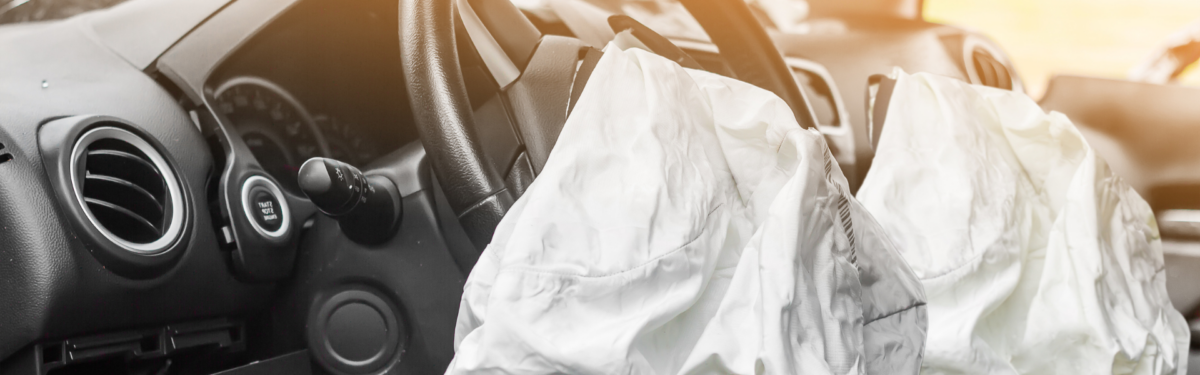
  • Airbags if they deployed.
  • The surrounding roadway and weather conditions.
Do not worry if you miss something. A collision repair shop can inspect the vehicle later for damage that may not be visible at the scene. If your vehicle has bumper, suspension, wheel, sensor, or structural damage, you may also want to review our guide on how to spot hidden vehicle damage after an accident.

Accident Information Checklist

Keeping these details organized can help make the insurance claim and repair process smoother.

  • Photos and videos from the accident scene.
  • The other driver’s name, phone number, and insurance information.
  • License plate numbers for all vehicles involved.
  • Police report number or incident number, if available.
  • Names and contact information for witnesses.
  • Your insurance claim number.
  • Photos of the vehicle before repairs begin.
  • Repair estimate and insurance adjuster estimate.
  • Rental car, towing, or storage paperwork, if applicable.
  • Final repair paperwork and warranty information from the repair shop.

Step 5: Contact Your Insurance Company

After leaving the scene, contact your insurance company and report the accident. You may be asked to provide the date, time, location, photos, police report information, and a description of what happened. Your insurer may assign an adjuster to review the claim and explain your coverage. This is also a good time to ask about your deductible, rental car coverage, towing coverage, and whether you need an initial insurance estimate before repairs begin. Some insurance companies may recommend certain shops, but you are not required to choose a repair facility simply because it appears on an insurer’s list. For a deeper look at this process, read our guide on how to file an insurance claim after a car accident in Texas.

Step 6: Be Careful About Driving the Vehicle After the Accident

One of the most common questions after a collision is whether the vehicle is still safe to drive. Sometimes the answer is obvious. If there are leaking fluids, warning lights, damaged tires, loose body panels, steering problems, brake issues, broken lights, or deployed airbags, the vehicle should not be driven until it has been inspected. Other times, the damage looks minor. The bumper may only have scratches. The vehicle may still start and move. However, modern vehicles are designed with sensors, structural components, brackets, absorbers, cameras, and safety systems that may be affected by an impact. Damage behind the bumper cover is especially easy to miss without a proper inspection. If you are unsure, it is better to have the vehicle checked by a qualified collision repair facility. You can also read more about this topic in our article, Is Your Car Safe to Drive After a Minor Accident?

Step 7: Choose a Collision Repair Shop in Austin

After the claim is started and the vehicle is safe, the next step is choosing where to have it repaired. This is an important decision. Collision repair is not just about making the vehicle look good again. Proper repairs can affect safety, fit, finish, drivability, vehicle value, and long-term reliability. When comparing shops, look for:
  • Experience with collision repair and auto body repair.
  • Proper tools, equipment, and repair procedures.
  • Clear communication throughout the repair process.
  • Experience working with insurance companies.
  • Good reviews and a strong local reputation.
  • Knowledge of structural, frame, paint, and refinish repairs.
Covert Collision provides collision repair in Austin, along with auto body repair, frame and structural repair, and auto painting and refinishing. If you are still comparing your options, our article on how to choose the best collision repair shop in Austin may also be helpful.

Step 8: Understand the Estimate and Repair Process

After the shop inspects your vehicle, an estimate is prepared. This estimate may include visible damage, labor, parts, paint, materials, and other repair procedures. In some cases, additional damage is found after the vehicle is disassembled. When that happens, the repair shop may need to submit a supplement to the insurance company for review. This does not always mean something went wrong. Hidden damage is common after a collision, especially when bumper covers, panels, lights, brackets, or structural components need to be removed before the full damage can be seen. To better understand this part of the process, visit our guide on understanding your collision repair estimate.

Step 9: Ask About Parts, Repair Procedures, and Safety

Not all repairs are the same. Depending on the vehicle and the damage, the repair may involve OEM parts, aftermarket parts, recycled parts, manufacturer repair procedures, refinishing, calibration, or structural measurements. Ask questions if you are unsure what is being recommended. For many drivers, the most important thing is knowing the vehicle is being repaired the right way. That means the shop should be focused on more than appearance. Proper repair procedures matter for safety, fit, finish, and long-term performance. You can learn more in our article about why OEM parts matter in collision repair.

Step 10: Keep Your Repair Paperwork

Once repairs are complete, keep your final invoice, warranty information, insurance paperwork, photos, and any supplement documents. These records may be helpful later if you sell or trade the vehicle, have questions about the repair, or need proof of what was completed. Before picking up the vehicle, review the repairs with the shop. Make sure you understand what was repaired, what parts were used, whether paint or refinishing was performed, and whether any follow-up is needed.

Can a Car Accident Affect Your Insurance Rates?

Many drivers worry about insurance rates after an accident. Whether your rates change depends on several factors, including the severity of the accident, who was determined to be at fault, your claim history, your policy, and your insurance company’s guidelines. Your adjuster or insurance agent is the best person to explain how a specific claim may affect your policy. The repair shop can help with the vehicle damage and repair documentation, but insurance pricing decisions are handled by the insurer.

When to Contact Covert Collision

If your vehicle was damaged in an accident, Covert Collision can help inspect the damage, prepare a repair estimate, and guide you through the repair side of the process. Whether you are dealing with visible body damage, hidden damage, paint damage, frame concerns, or questions about insurance-related repairs, our team can help you understand the next step. You can start by requesting a free online estimate or learning more about our Austin collision repair services.

Need Collision Repair After an Accident in Austin?

No one plans to be involved in a car accident, but knowing what to do next can make the situation easier to manage. Start with safety, document the accident, contact your insurance company, and choose a collision repair shop you trust. Covert Collision helps Austin-area drivers with collision repair, auto body repair, frame and structural repair, refinishing, and insurance-related repairs. If your vehicle was recently damaged, contact our team or request an estimate to get started. Request a Free Online Estimate or visit our contact page to get in touch with Covert Collision.