Categories
austin body shop

Custom Care for Your Car: Tailored Auto Body Repair Services in Austin

When it comes to finding a reliable auto body shop in Austin, you’re looking for a team that understands the unique needs of your vehicle. At our collision center, we specialize in tailored auto body repair services that prioritize your car’s specific requirements. Whether you’ve been in a minor fender bender or a major collision, our skilled technicians are equipped to restore your vehicle to its original condition. With state-of-the-art equipment and a commitment to excellent customer service, we are dedicated to getting you back on the road safely and efficiently. Welcome to the best auto body repair shop in Austin, where your car’s care is personalized and precise.

Our Services

At our auto body shop in Austin, we offer a comprehensive range of services designed to meet all your vehicle’s repair needs.

Wheel Repair

Wheels can take a beating from curbs, potholes, and road debris. Our wheel repair service ensures your wheels are restored to their original look and function. We use precision tools and advanced techniques to fix cracks, bends, and cosmetic damage efficiently.

Traditional Dent Repair

For more severe dents and damage, our traditional dent repair provides a reliable solution. Our technicians are adept at using specialized equipment to reshape the metal and restore the integrity of your vehicle’s body. Trust us for effective and lasting results.

Paintless Dent Repair

Our paintless dent repair service is a cost-effective and efficient method of addressing minor dents and dings. Using innovative tools, we gently massage the metal back into shape without the need for repainting, preserving your car’s original finish.

Structural Repair

Serious collisions often result in structural damage that affects your vehicle’s safety and performance. At our collision center, we offer structural repair to address issues with the chassis and frame. Our skilled technicians use state-of-the-art equipment to ensure the highest standards of safety and quality.

Refinishing

To complete the repair process, we provide top-tier refinishing services. Our color matching technology and high-quality paint ensure a flawless finish that seamlessly blends with your vehicle’s existing paint. Your car will look as good as new, reflecting our commitment to excellence.

Additional Amenities

At our auto body shop and collision center in Austin, we understand that dealing with car repairs can be stressful. That’s why we go the extra mile to make the process as smooth and convenient as possible with our range of customer-focused amenities:

Insurance Assistance

Navigating the complexities of insurance claims can be daunting. Our experienced team works directly with your insurance company to handle the paperwork and ensure your repair process is hassle-free. Trust us to be your advocate and streamline communication between you and your insurer.

Towing Services

If you’re stranded due to an accident or vehicle breakdown, our collision center offers reliable towing services to transport your car directly to our shop. Safety and convenience are our top priorities, and our prompt towing service ensures that help is just a phone call away, 24/7.

Rental Cars

We understand that being without your vehicle can disrupt your daily routine. To keep you on the move while your car is being repaired, we offer rental car options. This service ensures that you won’t have to worry about transportation during the repair period, making us the go-to auto body shop in Austin for comprehensive care.

By offering these additional amenities, we reinforce our commitment to providing an exceptional customer experience and ensuring that you get back on the road with minimal disruption.

Factory Certified Technicians

Our auto body shop in Austin is proud to employ factory certified technicians for several leading auto makers. This certification ensures that our technicians have undergone rigorous training and have in-depth knowledge of each manufacturer’s specific repair standards and procedures. Whether you drive a luxury European car, a reliable Japanese vehicle, or an American classic, you can trust that our team has the expertise to handle your car with the utmost precision and care.

Our technicians are certified by well-known brands such as Tesla, GMC, Nissan, Toyota, and Ford, among others. This means that we use genuine parts and follow the exact guidelines set by the manufacturers, ensuring that your vehicle’s warranty remains intact and your car performs as it was designed to. By entrusting your vehicle to our factory certified professionals, you’re guaranteeing the highest quality workmanship and peace of mind that your car is in the best possible hands.

Contact Us for a Free Estimate Today

In search of high-quality auto body repair in Austin? Our custom care collision center offers specialized services tailored to your vehicle’s specific needs, from minor dings to major structural repairs. Our skilled technicians utilize state-of-the-art equipment for services like wheel and dent repair, paintless dent repair, structural repair, and refinishing. To further ease your repair experience, we provide additional amenities including insurance assistance, towing services, and rental cars. Trust us for reliable, personalized, and comprehensive care to get you back on the road safely and efficiently. Contact us today for a free estimate.

Categories
austin body shop

DIY or Pro? A Comprehensive Guide on How to Fix a Bent Hood

When faced with a bent car hood, vehicle owners in Austin are often caught in a dilemma: tackle the repairs themselves or head to a professional collision center. This comprehensive guide aims to shed light on how to address a bent hood, taking into account both DIY approaches and when it’s best to seek out expert bent car hood repair services in Austin. Whether the damage is the result of a minor fender bender or something more significant, understanding the intricacies of hood repair can save time and ensure the safety and aesthetic integrity of your vehicle.

DIY Hood Repair Methods

When contemplating DIY repair methods for a bent car hood, it is crucial to first assess the extent of the damage. Minor dents and bends can often be managed at home, saving a trip to a collision center in Austin. Here are a few approaches you might consider:

  • Using a Plunger: A common household plunger can sometimes be effective for minor dents. Wet the plunger and the dent, press the plunger over the area, and gently pull. This could pop the dent out without the need for a professional bent car hood repair.
  • Boiling Water Method: For plastic bumpers or parts of the hood, boiling water can make the material pliable, allowing you to push out the dent from the inside. Remember, safety first—use protective gloves to avoid burns.
  • DIY Dent Repair Kits: Available at most automotive stores in Austin, these kits come with tools and instructions to fix minor dents. They often include suction tools or glue-based pulling tools to remove dents without damaging the paint.
  • Hair Dryer and Compressed Air: Using a hair dryer to heat the dented area followed by a rapid cooling with compressed air can cause the metal to contract and potentially pop back into place.

Before attempting any DIY repair on your bent car hood, it’s essential to recognize when the damage is too severe. If the structural integrity of the hood is compromised, or if DIY methods fail to restore the vehicle’s appearance and function, seeking out a professional collision center in Austin for bent car hood repair becomes imperative. Not only does this ensure safety, but it also maintains the value and aesthetic appeal of your vehicle.

Professional Bent Car Hood Repair

When the extent of hood damage surpasses what DIY methods can effectively address, turning to a professional collision center for bent car hood repair is the advisable path. Experts in Austin specializing in auto body repairs possess the necessary tools, technology, and expertise to assess and rectify hood damage comprehensively. There are several key advantages to entrusting your vehicle to professionals:

  • Expert Assessment: Professionals can thoroughly evaluate the damage to determine the best repair approach, ensuring that underlying issues are not overlooked.
  • Advanced Tools and Techniques: Collision centers are equipped with specialized tools and technology that can accurately restore the hood to its original condition without compromising its integrity or the vehicle’s safety.
  • Experience with Insurance Claims: Many collision centers in Austin have experience navigating the insurance claim process, potentially saving you from out-of-pocket expenses for the bent car hood repair.
  • Guaranteed Workmanship: Professional repairs often come with a warranty, offering peace of mind that the repair is durable and of high quality.

Choosing a reputable collision center in Austin for your bent car hood repair ensures that your vehicle receives the meticulous care it requires. This not only safeguards your safety but also helps maintain the vehicle’s value and aesthetic appeal. In cases where the damage is substantial, opting for professional repairs is not just a recommendation; it’s a necessity.

At our collision center in Austin, we pride ourselves on having factory-certified technicians for several vehicle makes, ensuring your bent car hood repair is handled with the utmost expertise and precision. These certifications mean that our technicians have undergone rigorous training and assessments directly from manufacturers, equipping them with specific knowledge and skills tailored to your vehicle’s exact needs. Whether it’s a domestic brand or an imported model, our team in Austin possesses the specialization to address the intricacies of your vehicle’s design and engineering. This level of expertise not only guarantees that your bent car hood repair meets factory standards but also ensures that the integrity and safety of your vehicle are preserved. Choosing our collision center for your repair needs means entrusting your car to professionals who are committed to excellence, backed by the confidence of manufacturer endorsements.

Contact Us for a Free Estimate Today

In conclusion, facing a bent car hood presents vehicle owners with a pivotal decision between attempting a DIY fix or opting for the expertise of professional repair services. Our guide has explored both avenues, highlighting simple home repair techniques for minor damages, and stressing the importance of professional intervention for more severe cases. Professionals offer not only advanced repair solutions but also bring a wealth of experience and the assurance of quality workmanship. At our collision center in Austin, our factory-certified technicians are prepared to handle your bent car hood repair with precision and care, ensuring the safety and aesthetic appeal of your vehicle is restored. We understand the value of your time and investment, which is why we invite you to contact us today for a free estimate. Whether you are leaning towards a DIY approach or are considering professional repair, a free quote from our team can provide valuable insight into your best course of action.

Categories
austin body shop

Benefits of Paintless Dent Repair near Austin

As a car owner in Austin, you know that dents and dings are a part of life on the road. From hail storms to minor accidents, vehicles of all types and sizes are vulnerable to damage. Fortunately, there are a variety of options when it comes to dent repair. One increasingly popular choice is paintless dent repair in Austin. In this article, we’ll examine what paintless dent repair is, why it’s beneficial, and how it compares to other forms of dent repair.

What is Paintless Dent Repair?

Put simply, it’s the process of removing dents and dings from a vehicle without the need for repainting or any other intensive work. Instead, skilled technicians use specialized tools and techniques to gently massage the dent out from the inside of the vehicle’s panel. This not only saves time and money, but also means that you won’t have to worry about mismatched paint or other issues that can arise when traditional dent repair methods are employed.

Biggest Benefit is …

One of the primary benefits of paintless dent repair in Austin is its speed and convenience. In many cases, this method can be completed in a matter of hours, rather than days or even weeks for other forms of repair. This is because the process is far less invasive than traditional methods, which often involve sanding, filling, and painting. With paintless dent repair, you avoid all of these steps and can get back on the road in no time.

Is It Expensive?

Another major advantage of paintless dent repair is its affordability. Because there’s no need for repainting or major bodywork, the cost of this type of repair is often significantly lower than other options. Additionally, many insurance policies now cover paintless dent repair in Austin, meaning that you may be able to get your dents repaired without spending a dime out of pocket.

When Can You Not Use Paintless Dent Repair?

Of course, there are times when this method isn’t the best choice for dent repair in Austin. For example, if the dent is particularly large or located in a difficult-to-reach area, traditional methods may be necessary. However, for most minor dents and dings, paintless dent repair is an excellent choice that can save you time, money, and hassle.

Contact Our Auto Body Shop in Austin Today

When it comes to dent repair, the options can be overwhelming. However, if you’re looking for a fast, affordable, and effective way to get your vehicle looking like new again, paintless dent repair in Austin may be the perfect choice for you. With this method of dent repair, you don’t have to worry about lengthy repairs or expensive bills – you can simply get on with your life and enjoy a dent-free car. So why wait? Contact us, your local Austin dent repair experts, today and see for yourself just how easy and hassle-free this method can be.

Categories
austin body shop

Looking for a Car Body Shop Near Me: Factors to Keep in Mind

If you’re ever in the unfortunate situation of being in a car accident, you’ll need to find a reputable car body shop near me to fix your vehicle. But with so many options out there, how do you know which one to choose? Here are some important factors to keep in mind when looking for a car body shop near me.

Location – you’ll want to find a body shop that’s close to where you live or work

When car troubles arise, the last thing you want to worry about is traveling a long distance just to get repairs done. A good car body shop in Austin should be close to where you live or work so time and money can be saved. Finding one near you is easy, with online searches and apps that help you locate car body shops in your area at the click of a button. A simple “car body shop near me” will reveal many options that provide car repairs. With the right location, car repairs can be convenient and efficient – keeping your car back on the road quickly!

Services offered – some shops specialize in certain types of repair, so make sure they can handle what you need

If you’re in need of car repair, finding the right car body shop is essential. Taking your car to a shop that specializes in certain types of repair lets you know that they can handle what you need – whether it be tire alignment, body work, or other car service needs. Doing a google search for “car body shop near me” can help you narrow down your options based on location and specialties. Make sure to do your research ahead of time to find car body shops that can provide the services you require.

Reviews – read online reviews to get an idea of the quality of the work and customer service

When looking for car body shops near you, the best way to choose which one to go with is to read reviews about them online. Reviews will give you an insight into the quality of work they do, customer satisfaction levels and overall reliability. Doing research using online reviews of a car body shop can save you time, energy and money in the long run while also ensuring that your car repairs or upgrades are done correctly. Make sure to take into account all reviews – both positive and negative – so that you get a well-rounded idea of what they provide.

Insurance – find out if the shop is approved by your insurance company

If you’re looking for car repair or body shop services, it’s important to double check that your insurance company will give the shop their approval. Do a quick search online for car body shops near you and ask them if they are approved by your insurance company. It might not seem necessary at first, but it can pay off in the long run: shops with approval from your insurer often have lower car repair bills on account of negotiated discount prices.

Contact Us to Learn More About Our Car Body Repair Shop in Austin

If you’re in need of car body repair in Austin, there are a few things to keep in mind when choosing a shop. First, consider the location and whether it’s convenient for you. Second, take a look at the services offered and make sure they can handle your specific needs. And finally, read online reviews to get an idea of what others have experienced with the quality of work and customer service. Once you’ve considered all of these factors, give us a call at (512) 476-4101 and we’ll be happy to help you with your car body repair needs.

Categories
austin body shop

Hail Damage Repair: 3 Things to Keep in Mind

Golf-ball-sized hail results in destroying several cars every year. You can take preventive measures if you are informed beforehand, such as covering your car or keeping it in a garage. In most cases, hail storms could come out of nowhere and leave your car vulnerable to the whims of nature, leaving you with no option but to take your car to a nearby auto shop for hail damage repair.

1.    Get Repairs Done Right Away

One of the biggest mistakes that people make is that they wait too long to get hail damage repair services. So, if you are one of those people thinking that you will wait until the end of hail season to fix the damages, you are making a costly mistake.

However, finding a reliable hail damage repair auto shop isn’t as easy as you think. When looking for a reliable auto shop, make sure that it provides the best hail damage repair services in your area. An easy way to know this is to check the online reviews of the garage. You should also check if your insurance company has ever worked with the auto body shop in the past and if they are backing you up or not. Also, check if the professional has any reservations about working with insurance companies. You can also ask the professional about the type of services that they offer and opt for the one that matches your budget needs the best. Here are three things that you should keep in mind when dealing with hail damage repair.

Therefore, do not waste a single minute and bring your vehicle in for hail damage repair as soon as possible. This way, you will not only be saving on the repair cost, but you will also be keeping your vehicle in pristine condition.

Keep in mind that every day that you drive, wait for the repairs, and every mile that you drive your damaged car, you are making your vehicle vulnerable to potential monetary loss. In fact, vehicles with minimum hail damage can decrease the value of your car by $5000 to $8000. Therefore, instead of ignoring the minor dent or bump, go through the hassle of getting the hail damage fixed. While you might have to pay some amount to get your vehicle repaired, ignoring the hail damage will only cost you big in the future. 

2.    Paintless Dent Repair Is the Best Solution

When it comes to hail damage repair, Paintless Dent Repair (PDR) is the perfect solution. It is an effective auto repair process during which a professional will use specialized tools, equipment, and techniques to carefully remove the hail damage without causing any damage to the paint. The professional will push out the dent, restoring your vehicle to its original state. This will save you time and money.

However, considering the fact that not every auto repair shop is equipped to provide paintless dent repair services efficiently and effectively, make sure that the hail damage repair company you are signing up for has professional experience using this technique.

Although doing thorough research about the service provider might seem like a hectic task, it will only save you hundreds of dollars, ensuring that you get the best services possible.

3.    Don’t Forget to File an Insurance Claim

It’s a common misconception that making a claim to your insurance provider would result in a higher premium. However, because hail damage is regarded as a “no-fault” claim and is covered by your comprehensive coverage, making a claim for hail damage with your insurance carrier won’t increase your premium, at least not in the way you might anticipate. Therefore, since your vehicle insurance is already covering hail damage repair, we recommend filing a claim and getting your car fixed as soon as possible.

When partnering with the insurance company, make sure that they don’t drive your decision-making. Even though they are professional, an insurance company will do what suits them the best and not you. Therefore, the wise approach here is to sit with your insurance provider and ask them about their hail damage repair options. Considering the fact that hail damage can decrease the value of your car, working with your insurance company will help you in getting the best deal possible.

Contact Us to Learn More about our Hail Damage Repair Services

If you are worried about out-of-pocket costs and thinking about repairing the damage yourself, think again. While it might seem doable, trying to repair it yourself will only make the situation worse. Therefore, make sure to contact your mechanic to get the best hail damage repair services. In case you are given different hail damage repair options, we recommend opting for paintless dent repair (PDR) as it’s the most effective and efficient method. Last but not least, don’t forget to file an insurance claim.

Categories
austin body shop

Dent Repair Options

Whether you are in love with your car because of its sleek paint finish or because it has been taking you from one place to another for years, you want the exterior of your car to be presentable, clean, and attractive. However, there will be times when your car gets into an unfortunate accident, and so no matter how major or minor the dent is, it can destroy the resale value of your car. This is where dent repair in Round Rock comes in.

The good news here is that there are many ways to fix dings and dents on your car. While you can perform some repairs yourself, you will need to enlist the help of dent repair in Round Rock professional for major repairs. Keep reading to learn about the four dent repair techniques.

1.    Traditional Filling Method

When we hear the term “dent repair,” the first thing that comes to our mind is the method of filling the dent in order to naturally push it outwards. Although the filling method is a very popular dent repair technique, most people don’t know that it doesn’t actually fix the damage but creates an illusion that makes the car’s frame uniform.

The dent repair in Round Rock professional will start by scraping off paint from the damaged area. They will then fill in the material and repaint it to match the existing color of your car. 

Note that the traditional filling method is an imperfect and unreliable paint repair technique that delivers inferior results and doesn’t last long. It also costs a great deal of money, time, supplies, and labor.

2.    Paintless Dent Removal

Paintless dent removal is an innovative solution to fixing structural dents. The dent repair in Round Rock professional will use specialized tools and techniques to pull, push, and massage the dent out of the vehicle’s body. This dent repair technique involves patiently reshaping the metal to remove the dent.

The technique is known as “paintless dent removal” because it doesn’t require you to repaint the body of the vehicle. And since the procedure takes place underneath the surface of the dent, the exterior appearance and paint of your car don’t get damaged. Simply put, paintless dent removal involves restructuring the current body of your car. Some benefits of paintless dent removal include the following:

  • Reduced costs
  • Quick turnaround times
  • No impact on the vehicle’s resale value
  • Avoidance of incidental paint damage
  • Restoration of the vehicle’s original appearance

3.    DIY Dent Repair Kits

If you are someone who likes to do everything themselves, DIY dent repair kits are the perfect solution. While the plunger method can help you in pulling out the dent, it can cause the affected area to recoil to the damaged state. This is why we recommend using Do-It-Yourself dent repair kits, as they come with an adhesive that you can attach to the pulling instrument and fix the dent permanently. Compared to the plunger or heating and cooling techniques, the results of DIY kits last longer.

However, we advise always bringing your car to a dent repair in Round Rock collision center as every dent is different, and only professionals can provide you with the right care.

4.    Removal and Replacement

So far, we have talked about dings and dents that can either be fixed with a DIY kit or with the help of a dent repair in Round Rock professional. However, some accidents can cause massive dents, because of which you will need to remove, replace, and restore the entire damaged area of the car’s body.

After a major accident, determine whether your car is safe to drive or not. If it isn’t, contact the dent repair in Round Rock professionals, and they will help you in taking your vehicle to the garage. Once the car’s in the auto repair shop, the professional will carefully extract the damaged section of the body and replace it with another one. Once the replacement fender is installed, the professionals will apply paint to eliminate any discrepancies between the surrounding surface and the new section.

Our advice? Never do this on your own; as easy as the task might seem, this job should be handled by professionals only.

Contact Us for a Consult on Your Dent Repair

While all the above-mentioned paint removal techniques work amazingly in their own places, we recommend opting for paintless dent removal as it maintains the valuable factory finish of your car and saves your time and money. In fact, paintless dent removal can fix 80 to 90 percent of dents and dings, making your car look as good as new.

Our collision repair professionals treat every customer like family, ensuring that we provide the highest quality of work and the highest level of services.

Categories
austin body shop

My Car Received Pothole Damage | Now What?

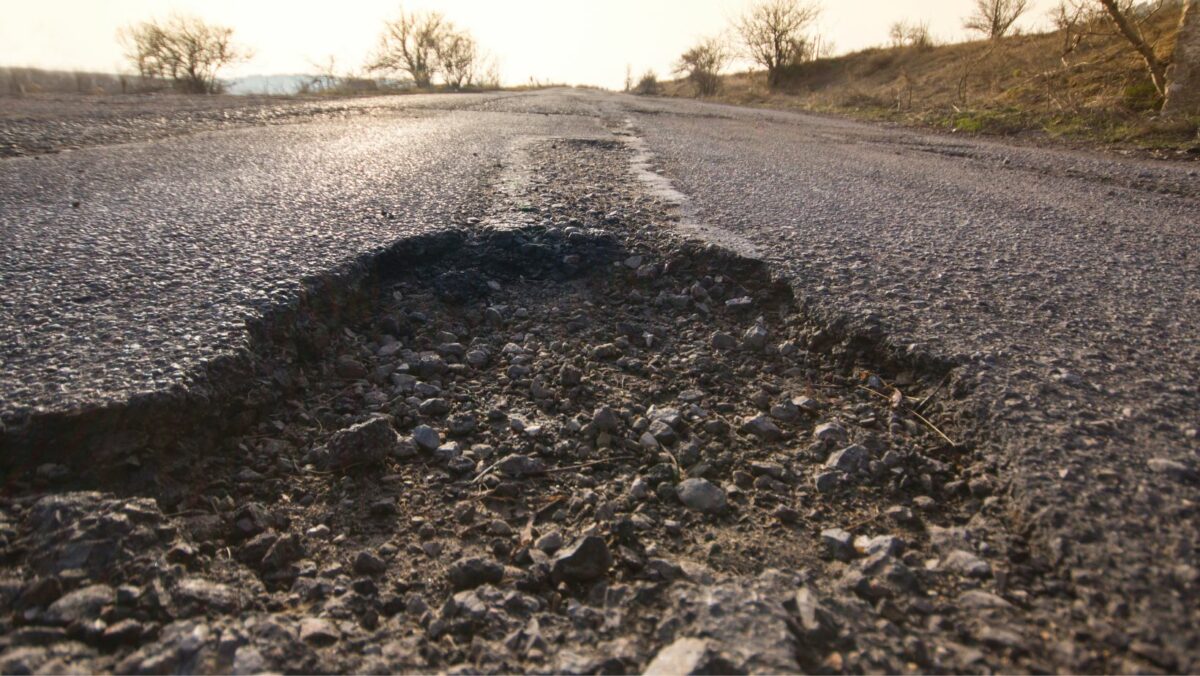
Potholes are a common road hazard for Austin drivers, especially after heavy rain, construction, temperature changes, and normal road wear. Sometimes you see them in time to slow down. Other times, the impact happens before you can react. Either way, hitting a pothole can cause more damage than many drivers realize.

A hard pothole impact can affect tires, wheels, alignment, suspension, steering, underbody components, bumpers, paint, and body panels. Some damage is obvious right away, such as a flat tire or bent wheel. Other damage may show up later as pulling, vibration, unusual noises, uneven tire wear, or visible body damage.

If your car hit a pothole in Austin, here is what to check, when to stop driving, and when to schedule a professional inspection.

Key Takeaways

  • Pothole damage is not always obvious. A vehicle may still drive after impact even if the tire, wheel, suspension, alignment, bumper, or underbody was damaged.
  • Pulling, vibration, or new noises should not be ignored. These symptoms may point to wheel, tire, suspension, steering, or alignment problems.
  • Body damage can happen too. Deep potholes can scrape bumpers, damage splash shields, loosen trim, chip paint, or affect lower body panels.
  • Do not keep driving if the vehicle feels unsafe. A flat tire, bent wheel, fluid leak, loose part, steering issue, or warning light should be checked before you continue.
  • Document the damage. Photos of the pothole, vehicle damage, road location, and repair paperwork may be helpful if insurance or a road damage claim is involved.

What Should You Do Right After Hitting a Pothole?

After hitting a pothole, stay calm and avoid making a sudden unsafe maneuver. If the vehicle feels unstable, the steering changes, a tire goes flat, or you hear scraping or knocking, slow down and pull over when it is safe.

Once you are in a safe location, inspect the vehicle from the outside. Do not stand in traffic or crawl under the vehicle on the roadside. Look for visible damage and listen for anything unusual when the vehicle is running or moving slowly.

Check for:

  • Flat tires or low tire pressure.
  • Bulges, cuts, or damage on the tire sidewall.
  • Bent, cracked, or scraped wheels.
  • Loose bumper parts, splash shields, or underbody panels.
  • Leaking fluids under the vehicle.
  • New dashboard warning lights.
  • Pulling, vibration, wobbling, or unusual steering feel.
  • Scratches, scuffs, or chipped paint on lower body panels.

If the vehicle does not feel safe, do not keep driving. Towing may be the safer option.

1. Tire Damage

Your tires are the first part of the vehicle to absorb a pothole impact. A sharp or deep pothole can pinch the tire against the wheel, leading to a blowout, sidewall bulge, tread damage, or internal tire damage.

Common signs of tire damage after a pothole include:

  • A flat tire.
  • Rapid loss of air pressure.
  • A visible bubble or bulge on the tire sidewall.
  • Cuts, cracks, or torn rubber.
  • Vibration while driving.
  • A tire pressure warning light.

A sidewall bulge is especially important to address quickly because it may indicate internal tire damage. If you see a bulge or the tire is losing air, have the vehicle inspected by a tire professional before continuing to drive.

2. Wheel and Rim Damage

A hard pothole impact can bend, crack, chip, or scrape a wheel. Aluminum alloy wheels can be especially vulnerable to impact damage. Sometimes the damage is easy to see. Other times, the wheel may look mostly normal but still cause vibration or air loss.

Possible signs of wheel damage include:

  • Vibration at certain speeds.
  • Air leaking from the tire.
  • A visible bend or crack in the wheel.
  • Scraping or gouging on the rim edge.
  • The vehicle feels unbalanced after impact.

Wheel damage should be inspected by a qualified wheel, tire, or automotive repair professional. Driving on a damaged wheel can create safety issues and may lead to additional tire damage.

3. Suspension and Steering Damage

Potholes can affect more than tires and wheels. A hard impact can damage or stress suspension and steering components, including shocks, struts, control arms, ball joints, tie rods, bushings, and alignment settings.

If the vehicle pulls to one side, the steering wheel is no longer centered, or the vehicle feels unstable, the suspension or alignment may have been affected. These issues should be checked before they cause uneven tire wear or make the vehicle harder to control.

Signs of suspension or steering damage include:

  • The vehicle pulls left or right.
  • The steering wheel is off-center.
  • New vibration in the steering wheel.
  • Clunking, knocking, or rattling sounds.
  • The vehicle bounces more than usual.
  • Uneven tire wear after the impact.

If these symptoms appeared after a pothole impact, schedule an inspection with a qualified mechanic or service provider.

4. Body, Bumper, and Paint Damage

Potholes can also damage the lower areas of a vehicle. A deep pothole, low front bumper, loose road debris, or sharp road edge can scrape bumpers, chip paint, damage lower panels, loosen trim, or break splash shields.

This type of damage may seem cosmetic, but it should still be inspected if parts are loose, paint is chipped, or the bumper no longer fits correctly. Cracked paint or exposed metal can worsen over time, and loose parts can detach while driving.

Look for:

  • Scraped or cracked bumper covers.
  • Loose splash shields or underbody panels.
  • Chipped paint or exposed metal.
  • Scratches and scuffs on lower body panels.
  • Broken clips, trim, or moldings.
  • Parking sensor or fog light damage.

Covert Collision can help with auto body repair, auto painting and refinishing, and collision-related repairs if a pothole impact damaged your vehicle’s body, bumper, paint, or exterior components.

5. Undercarriage and Exhaust Damage

The underside of your vehicle can also be affected by a pothole impact. Exhaust components, shields, brackets, underbody panels, oil pans, and other low-mounted parts may be scraped, loosened, bent, or cracked.

Warning signs may include:

  • Dragging or scraping sounds.
  • A loud exhaust sound that was not there before.
  • Rattling or knocking under the vehicle.
  • Fluid leaks after the impact.
  • Burning smells or smoke.
  • Loose panels hanging beneath the vehicle.

If you notice fluid leaks, loud exhaust sounds, or dragging parts, avoid driving until the vehicle is inspected. Depending on the damage, a mechanic, exhaust shop, or collision repair facility may need to evaluate the vehicle.

✓

Pothole Damage Warning Signs Checklist

After hitting a pothole, schedule an inspection if you notice any of these warning signs.

  • Flat tire, low tire pressure, or tire pressure warning light.
  • Bulges, cuts, or cracks in the tire sidewall.
  • Bent, cracked, scraped, or leaking wheel.
  • Vehicle pulling to one side.
  • Steering wheel is off-center.
  • New vibration, wobbling, or shaking.
  • Clunking, rattling, grinding, or scraping sounds.
  • Loose bumper cover, trim, splash shield, or underbody panel.
  • Scratched, scuffed, chipped, or cracked paint.
  • Fluid leaks, smoke, burning smell, or dashboard warning lights.

Should You Keep Driving After Pothole Damage?

It depends on how the vehicle feels and what damage is present. If the car drives normally and there are no warning lights, leaks, vibration, pulling, loose parts, or tire damage, you may be able to continue driving carefully and schedule an inspection soon.

However, you should avoid driving if you notice:

  • A flat tire or tire sidewall bulge.
  • A bent or cracked wheel.
  • Steering problems or severe pulling.
  • Fluid leaks.
  • Loose, dragging, or hanging parts.
  • Brake issues.
  • Warning lights after the impact.
  • Unusual noises that get worse while driving.

When in doubt, towing the vehicle may be safer than driving it. Our article on driving a damaged vehicle in Austin explains why some damage should be inspected before you continue using the vehicle.

Document the Pothole and Vehicle Damage

If the pothole caused noticeable damage, document everything as soon as it is safe. This may help if you decide to contact your insurance company or explore whether a road damage claim is possible.

Helpful documentation may include:

  • Photos of the damaged tire, wheel, bumper, paint, or underbody area.
  • Photos of the pothole, if it is safe to take them.
  • The location of the pothole, including nearby streets or landmarks.
  • The date and time of the incident.
  • Photos of warning lights or visible leaks.
  • Repair estimates and final repair invoices.

Do not put yourself in danger trying to photograph a pothole in traffic. Safety comes first.

Will Insurance Cover Pothole Damage?

Coverage depends on your policy and the type of damage. Some pothole-related damage may fall under collision coverage, while tire-only damage, wear items, deductibles, and exclusions can vary. Your insurance company is the best source for details about your coverage.

If the damage is significant, contact your insurer, explain what happened, and ask whether the damage may be covered. Be ready to provide photos, the location, and repair estimates.

If an insurance claim is involved, you may find these resources helpful:

How to Reduce the Risk of Pothole Damage

You cannot avoid every pothole, but careful driving can reduce the chance of serious damage. Avoid swerving suddenly, especially in traffic, because that can create a greater safety risk. If you see a pothole ahead and it is safe to do so, slow down before you reach it.

To reduce pothole damage risk:

  • Keep tires properly inflated.
  • Leave enough space so you can see the road ahead.
  • Slow down when approaching rough roads or standing water.
  • Avoid sudden swerving if traffic is nearby.
  • Watch for potholes after heavy rain.
  • Use extra caution in construction zones.
  • Have your vehicle checked if it feels different after impact.

When Pothole Damage Needs Body or Paint Repair

Many pothole issues are mechanical, tire, wheel, suspension, or alignment-related. However, pothole impacts can also cause exterior damage that may require a collision repair or auto body shop.

Covert Collision may be able to help if the pothole caused:

  • Bumper damage.
  • Lower panel scratches or scuffs.
  • Chipped paint or exposed metal.
  • Loose exterior trim or moldings.
  • Damaged splash shields or body components.
  • Paint damage that needs refinishing.

If there is paint damage, our guide on how to fix scratches and scuffs on your vehicle can help you understand whether the damage may be minor or needs professional repair.

Need Help With Body or Paint Damage After Hitting a Pothole?

If your vehicle hit a pothole and now has bumper damage, paint damage, scratches, scuffs, loose body parts, or exterior damage, Covert Collision can help inspect the body damage and explain your repair options.

Some pothole issues, such as tires, wheels, suspension, alignment, or exhaust problems, may need to be handled by a qualified mechanic, tire shop, or service department. For exterior damage, Covert Collision provides auto body repair, auto painting and refinishing, and collision repair for Austin-area drivers.

Request a Free Online Estimate or visit our contact page to get in touch with Covert Collision.

Categories
austin body shop

Certified Collision Repair in Austin, TX

A modern collision repair involves much more than straightening damaged metal and applying new paint. Vehicle structures now incorporate advanced steels, aluminum, electronics, cameras, radar sensors, and other systems that can affect how a vehicle must be inspected and repaired after an accident.

Covert Collision Center combines advanced repair equipment, ongoing technician training, and established collision repair procedures to help Austin drivers restore their vehicles after an accident. As an I-CAR Gold Class collision repair facility, our team continues training as vehicle technology and repair requirements evolve.

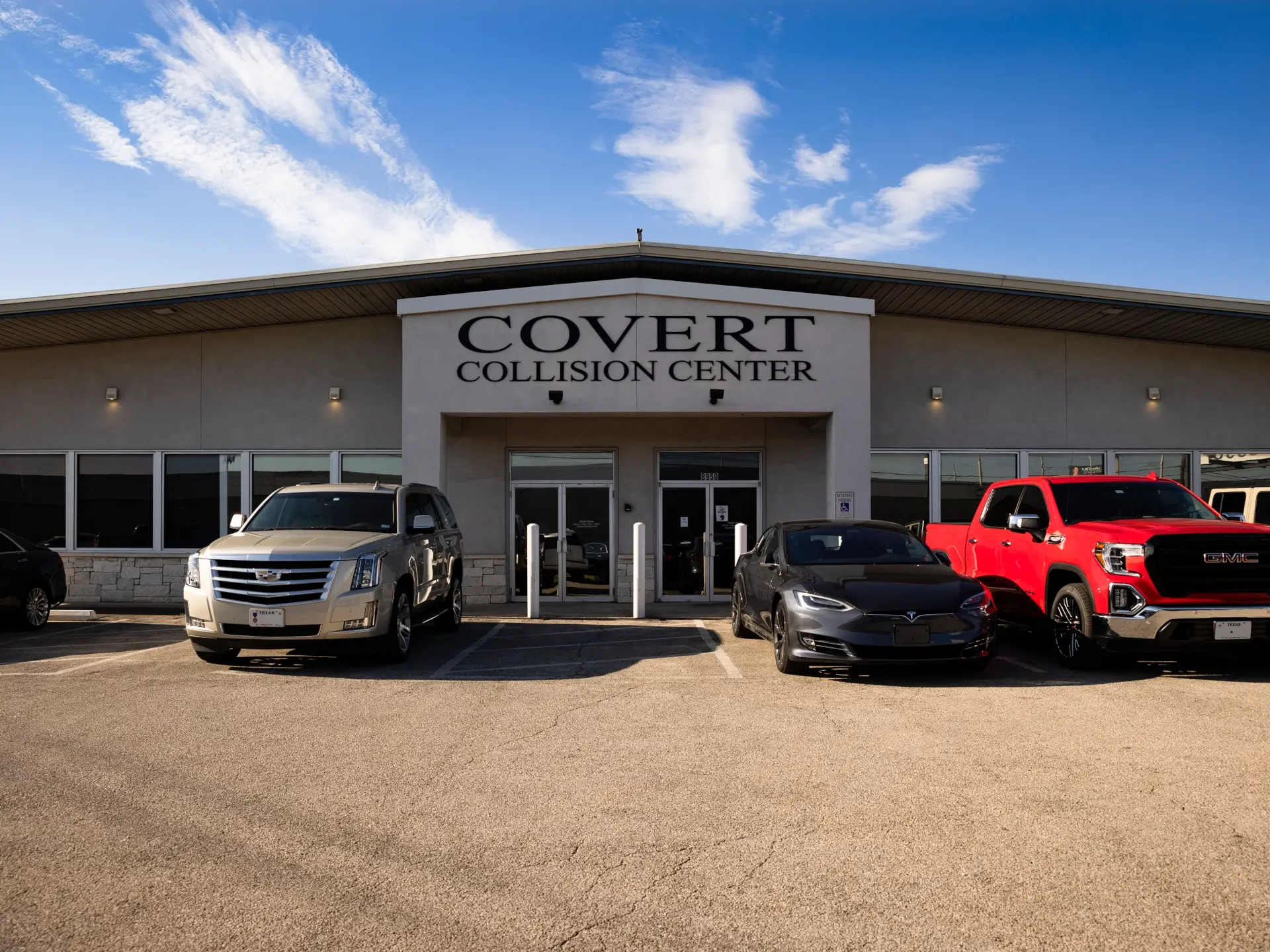
Exterior of Covert Collision in Austin, TX
Covert Collision Center in Austin, TX, providing certified collision repair and auto body repair services.

What Does Certified Collision Repair Mean?

Collision repair certifications are more than logos displayed on a wall. They can involve technician education, equipment requirements, documented repair procedures, ongoing training, and standards established by collision-industry organizations or vehicle manufacturers.

I-CAR Gold Class recognition focuses on role-specific education for the people involved in the repair process, including estimators, structural technicians, non-structural technicians, and refinish technicians. The goal is to keep repair professionals current as vehicle construction, electronics, materials, and repair techniques continue to change.

Manufacturer collision programs can add another layer by establishing vehicle-specific repair procedures, tooling, training, and facility requirements. For example, Ford describes its Certified Collision Network as providing access to technical repair procedures along with shop and inspection requirements.

For vehicle owners, the important question is not simply whether a shop can make collision damage disappear. It is whether the facility has the training, information, and equipment needed to evaluate and repair the vehicle appropriately.

Modern Vehicles Have Changed Collision Repair

A bumper, windshield, mirror, grille, or body panel may now interact with technology that did not exist on older vehicles. Cameras, sensors, electronic modules, advanced materials, and structural components can all influence the repair process after a collision.

That means today’s collision repair technicians may need to consider much more than the visible point of impact.

Vehicle-Specific Repair Procedures

Repair methods can vary by vehicle manufacturer, model, material, and location of the damage. Access to appropriate repair information helps technicians determine whether damaged components should be repaired, replaced, measured, inspected, or handled using a specific procedure.

Structural Measurement and Repair

Collision forces can travel beyond the area where the vehicle was visibly hit. Proper structural assessment can help identify changes in vehicle dimensions and determine what repairs may be necessary. Learn more about Covert’s frame and structural repair services.

Steel and Aluminum Repair

Modern vehicles can combine conventional steel, high-strength steels, aluminum, and other materials. These materials may require different repair techniques, equipment, joining methods, and work areas. Covert also provides specialized aluminum repair in Austin.

Diagnostics and Safety Systems

Modern vehicles contain numerous electronic systems that can be affected by a collision. Depending on the vehicle and the damage, diagnostic scanning, system inspection, and additional procedures may become part of the repair process.

Auto Painting and Refinishing

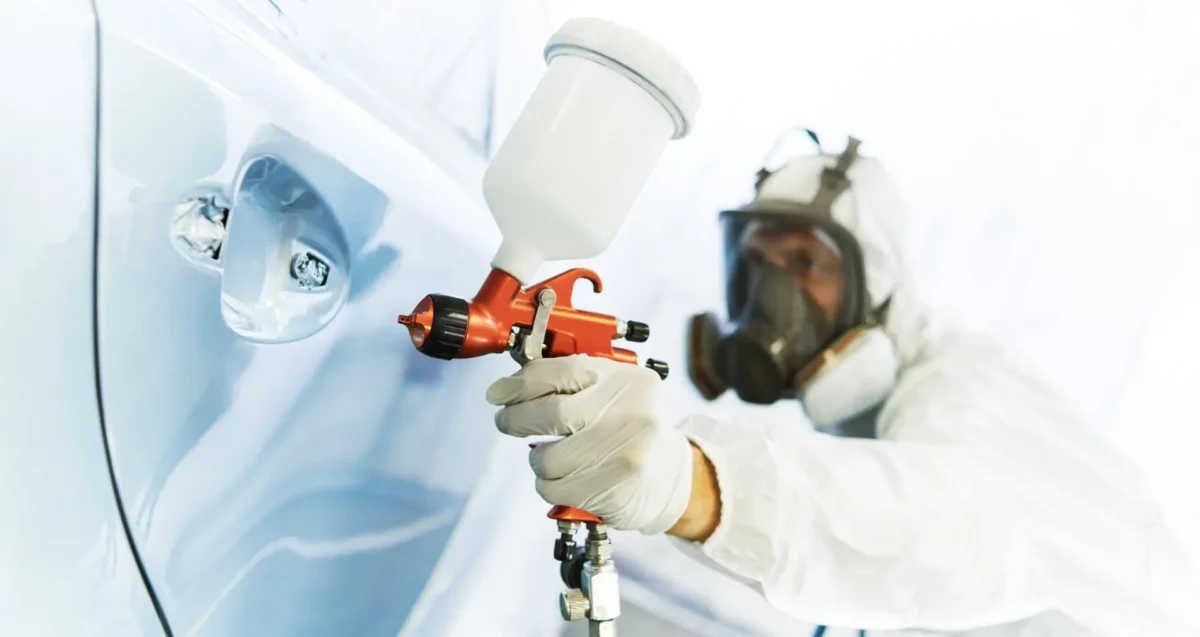
Restoring the vehicle’s appearance requires more than selecting a paint code. Professional refinishing can involve surface preparation, color matching, blending, and controlled application. Learn more about Covert’s auto painting and refinishing services.

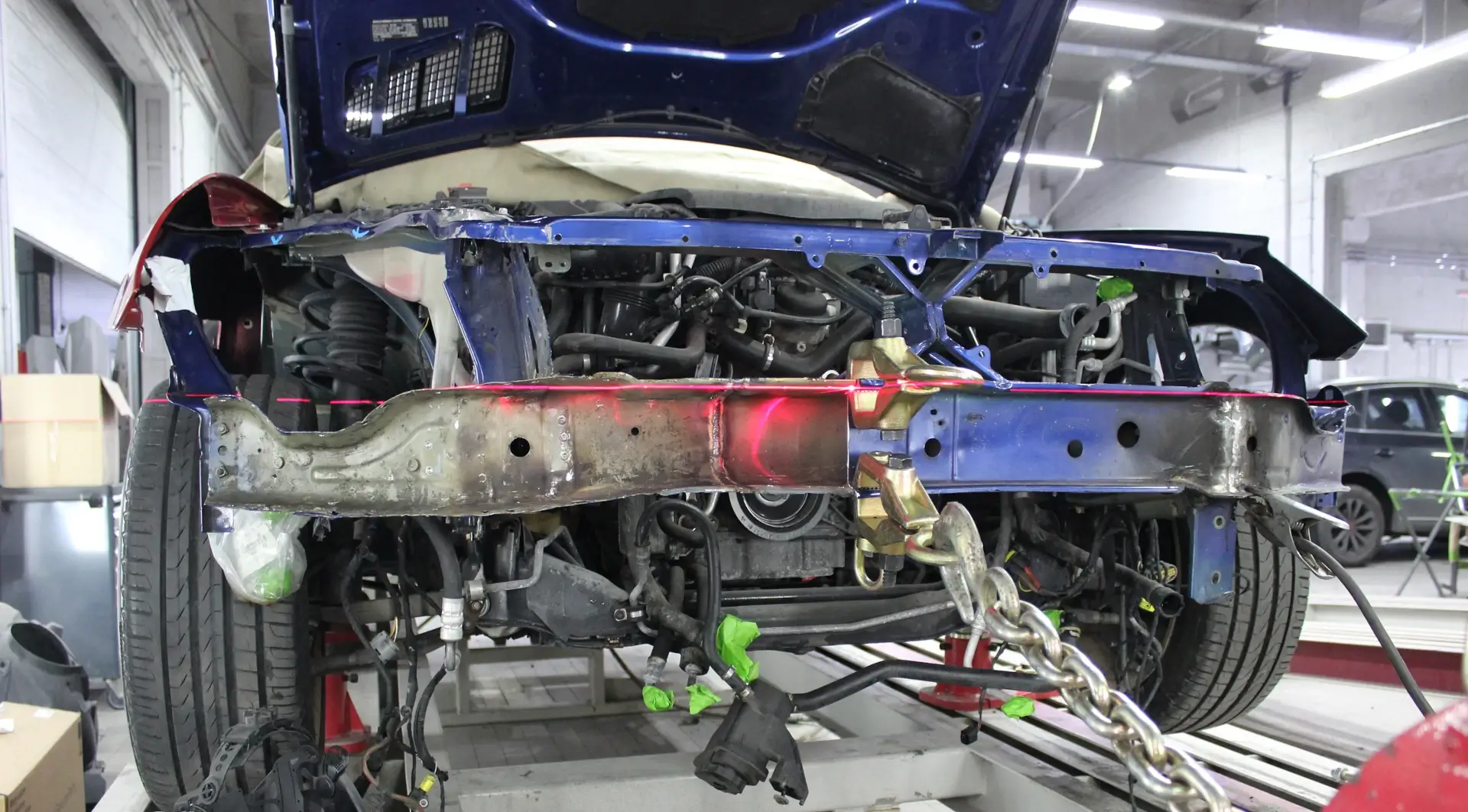
Vehicle frame being straightened with measuring system during collision repair
Precision frame straightening ensures your vehicle is restored to proper alignment and safety standards.

Covert Collision Center: By the Numbers

Collision repair capability depends on more than the size of a building or the amount of equipment inside it. However, having dedicated space and specialized equipment gives technicians the resources needed to handle different stages of the repair process.

30,000

Square-Foot Facility

A dedicated Austin collision repair facility with space for body repair, structural work, refinishing, and supporting repair operations.

28

Production Stalls

Dedicated work areas that help support an organized collision repair process from vehicle disassembly through repair and reassembly.

6

Car-O-Liner Frame Machines

Structural repair and measuring equipment available for vehicles requiring collision-related frame and structural work.

3

Garmat Paint Booths

Dedicated waterborne refinishing facilities used during the painting and refinishing stages of the collision repair process.

Specialized Aluminum Repair: Covert’s facility also includes a segregated aluminum repair area for vehicles requiring specialized aluminum repair procedures.
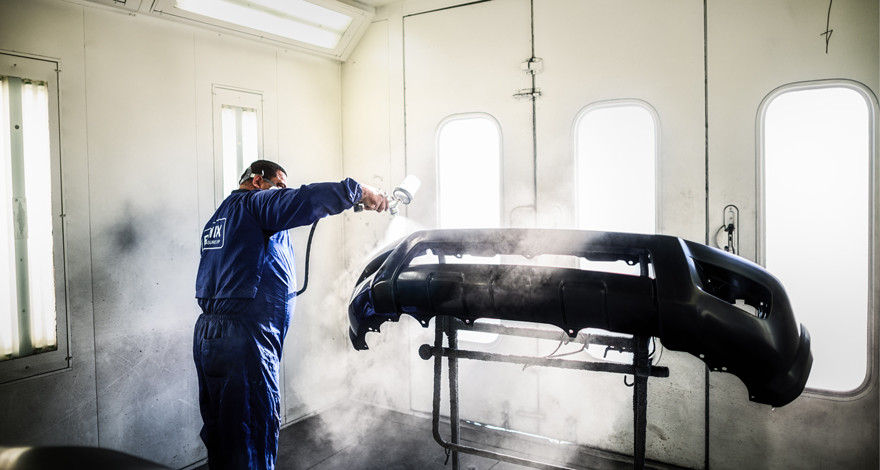
Technician refinishing a vehicle bumper inside an automotive paint booth
Professional auto painting and refinishing at Covert Collision Center in Austin, TX.

I-CAR Gold Class Collision Repair

Covert Collision Center is an I-CAR Gold Class collision repair facility. Gold Class recognition is centered on continuing collision repair education and role-specific training for the people involved in the repair process.

The value of that training goes beyond the certification itself. Vehicle construction, materials, electronics, safety systems, and repair procedures continue to change. Ongoing education helps collision repair professionals keep pace with those changes and understand the procedures involved in repairing newer vehicles.

For Covert customers, that means choosing a facility that continues investing in the knowledge and capabilities required for modern collision repair.

Certified Repair Goes Beyond Appearance

A repaired vehicle should look right when it leaves the collision center, but appearance is only one part of the repair process. Depending on the accident and the vehicle, collision repair can involve several different stages.

  • Vehicle damage assessment and repair planning
  • Structural measuring and repair
  • Body panel repair or replacement
  • Steel or aluminum repair procedures
  • Diagnostic scanning and system evaluation
  • Inspection of affected electronic and safety systems
  • Paint preparation, color matching, and refinishing
  • Vehicle reassembly
  • Final quality checks

Covert provides a range of services for vehicles damaged in accidents, including collision repair, auto body repair, frame and structural repair, paintless dent repair, and auto painting and refinishing.

Manufacturer-Specific Collision Repair Expertise

Vehicle manufacturers develop repair information and procedures based on the design, construction, materials, and technology used in their vehicles. Manufacturer certification programs can also include requirements involving technician training, specialized equipment, facility capabilities, and access to repair documentation.

Covert Collision Center continues to invest in the training, equipment, and repair capabilities needed to work with today’s increasingly complex vehicles.

When repairing a collision-damaged vehicle, the goal is not to apply the same process to every make and model. The repair plan should reflect the vehicle, the type of damage, and the procedures appropriate for that repair.

Why Choose Covert for Certified Collision Repair in Austin?

Modern collision repair depends on training, equipment, repair information, and the ability to work with increasingly complex vehicle construction and technology.

Ongoing Collision Repair Training

Vehicle technology continues to change, which makes ongoing technician education increasingly important. Covert continues investing in collision repair training as vehicle structures, materials, and safety systems evolve.

Advanced Structural Repair Capability

Covert’s facility includes dedicated structural repair and measuring equipment for vehicles affected by collision-related frame and structural damage.

Specialized Aluminum Repair

Aluminum components can require different repair methods and equipment than conventional steel. Covert maintains a dedicated aluminum repair area for vehicles requiring specialized aluminum work.

Professional Refinishing

Dedicated paint booths, color-matching processes, and professional refinishing equipment support the final stages of restoring repaired body panels.

Help Throughout the Collision Repair Process

Covert can also assist customers with related needs such as towing, rental transportation, repair authorization, estimates, and insurance-related repair information.

Certified Collision Repair FAQs

Answers to common questions about certified repair, vehicle technology, and the collision repair process.

Is I-CAR Gold Class the same as a manufacturer certification?

No. I-CAR Gold Class is an industry training recognition for collision repair businesses. Manufacturer certification programs are separate programs that may establish requirements specific to particular vehicle brands.

Why does the vehicle manufacturer matter after a collision?

Vehicle construction, materials, attachment methods, electronics, and repair procedures can differ between manufacturers and even between individual models. The appropriate repair approach depends on the vehicle and the damage involved.

Can modern safety systems be affected by collision damage?

Yes. Cameras, sensors, radar units, mounting points, electronic modules, and other components can be located in areas commonly affected by collisions. Depending on the vehicle and damage, these systems may require additional inspection or procedures during the repair process.

Does certified collision repair only matter after a major accident?

No. Even relatively localized collision damage can involve modern materials, sensors, structural mounting points, or other components that need to be evaluated before determining the appropriate repair.

Can Covert help with an insurance claim?

Covert Collision Center can help customers work through the collision repair process and insurance-related repair documentation. Visit our insurance claims information for additional details.

Need Certified Collision Repair in Austin?

If your vehicle has been damaged in an accident, Covert Collision Center can help you understand the damage, the repair process, and the next steps.

Whether your repair involves body panels, structural components, aluminum, refinishing, or modern vehicle technology, our team is ready to help get the repair process started.

Selecting the Right Collision Center When Filing an Insurance Claim

After a car accident, one of the first questions many drivers have is, “Where should I take my vehicle for repairs?” If an insurance claim is involved, the process can feel even more confusing. Your insurance company may provide instructions, explain your coverage, assign an adjuster, and sometimes recommend certain repair facilities. However, choosing the right collision center is still an important decision.

The collision center you choose can affect the repair experience, communication, parts discussion, estimate accuracy, repair documentation, and your confidence in the final result. A good repair shop should not only make the vehicle look better. It should inspect the damage carefully, explain the repair process, work with the insurance claim when needed, and help restore the vehicle properly.

If you are filing an insurance claim after an accident in Austin, here are the most important things to consider when selecting a collision center.

Key Takeaways

  • Do not rush the repair shop decision. After an accident, take time to choose a collision center that communicates clearly and has experience with your type of damage.
  • Your insurance company may recommend shops. Recommendations can be helpful, but you should still make sure you are comfortable with the repair facility.
  • Look beyond price alone. The lowest estimate is not always the best option if it leaves out needed repairs, proper procedures, or hidden damage.
  • Ask about the repair process. A good collision center should explain estimates, supplements, parts, timelines, and how insurance communication is handled.
  • Choose a shop that takes safety seriously. Modern vehicles may require proper repair procedures, structural checks, scans, calibrations, and careful documentation.

1. Understand Your Insurance Claim First

Before choosing a collision center, make sure you understand the basic claim process. Your insurance company may ask for accident details, photos, a police report number, the other driver’s information, and the location of your vehicle. They may also explain your deductible, rental coverage, and whether an adjuster needs to review the damage.

It is helpful to keep your claim number and adjuster contact information available. The collision center may need that information when communicating with the insurance company about the estimate, repair plan, or supplements.

If you are still early in the process, read our guide on how to file an insurance claim after a car accident in Texas.

2. Ask Friends, Family, and Local Drivers for Recommendations

Personal recommendations can be useful when choosing a collision center. If someone you trust had a good repair experience, ask what they liked about the shop. Did the shop communicate well? Was the repair completed properly? Did the vehicle look right when it was returned? Did the shop explain the insurance process clearly?

Recommendations should not be the only factor, but they can help you narrow your options. A shop with a strong local reputation is often easier to trust, especially when you are already dealing with the stress of an accident.

3. Read Reviews and Look for Consistent Patterns

Online reviews can give you a better sense of how a collision center treats customers. Instead of focusing only on the star rating, look for patterns in the comments. A few reviews will not tell the whole story, but repeated mentions of communication, repair quality, professionalism, delays, or follow-up can be helpful.

When reading reviews, look for comments about:

  • Clear updates during the repair process.
  • Help with insurance-related questions.
  • Quality of the finished repair.
  • Paint match and body panel fit.
  • Timeliness and communication.
  • How the shop handled unexpected issues or supplements.

Before-and-after photos can also be useful, especially when the shop provides examples of collision repair, body repair, frame repair, refinishing, or paint work.

4. Look for Proper Training, Equipment, and Repair Procedures

Modern collision repair requires more than replacing damaged panels. Many vehicles include advanced safety systems, sensors, cameras, high-strength steel, aluminum, and engineered structural components. The repair shop should understand how to inspect, repair, and document damage properly.

When comparing collision centers, ask about technician training, equipment, repair procedures, and experience with your type of vehicle. A shop does not need to overwhelm you with technical language, but it should be able to explain how the damage will be evaluated and repaired.

This is especially important if the vehicle may have structural damage, alignment concerns, sensor damage, or hidden damage. For more on this, visit our article on why certified collision repair matters for your vehicle.

5. Ask Whether the Shop Works With Insurance Claims

Many collision centers work with insurance companies regularly. That experience can make the process easier because the shop understands estimates, photos, documentation, supplements, adjuster communication, and repair approvals.

When a collision center works with insurance claims often, it can usually explain what happens if hidden damage is found after disassembly. This is important because an initial estimate may not include everything. Some damage is not visible until parts are removed.

For example, bumper damage, frame damage, broken brackets, sensor issues, or damage behind panels may not be fully visible during the first inspection. If additional damage is found, the shop may need to submit a supplement to the insurance company.

You can learn more about that process in our guide to understanding your collision repair estimate.

6. Ask the Right Questions Before Authorizing Repairs

Asking questions is one of the best ways to understand whether a collision center is the right fit. The shop’s answers can tell you a lot about its process, communication, and attention to detail.

Good questions to ask include:

  • Do you provide written repair estimates?
  • Do you work with insurance companies?
  • How do you handle supplements if hidden damage is found?
  • What types of parts may be used in the repair?
  • Will you explain the estimate before repairs begin?
  • How will I receive updates during the repair?
  • Do you offer a warranty on the repair work?
  • Will the vehicle be inspected for structural or hidden damage?
  • What is the expected repair timeline?
  • What happens if the insurance estimate is different from the shop estimate?

If the shop is patient, clear, and willing to explain the process, that is usually a good sign. If the answers feel rushed or unclear, keep looking until you feel comfortable.

✓

Collision Center Selection Checklist

Use this checklist when comparing collision centers after filing an insurance claim.

  • The shop explains the estimate and repair process clearly.
  • The shop has experience working with insurance claims.
  • The shop inspects for hidden damage, not just visible damage.
  • The shop can explain what happens if a supplement is needed.
  • The shop has experience with collision repair, auto body repair, and refinishing.
  • The shop uses proper repair procedures for your vehicle and damage type.
  • The shop communicates repair updates in a way that works for you.
  • The shop provides written documentation and final repair paperwork.
  • The shop offers a clear warranty or explains warranty coverage.
  • You feel comfortable leaving your vehicle with the repair facility.

7. Do Not Choose Based on the Lowest Estimate Alone

It can be tempting to choose the shop with the lowest estimate, especially if you are worried about cost. However, collision repair estimates can vary for several reasons. One estimate may include only visible damage, while another may include additional procedures, better documentation, or a more complete repair plan.

A lower estimate is not always wrong, but it should be reviewed carefully. Make sure you understand what is included, what is excluded, what parts are being used, and whether the shop has inspected for hidden damage.

After an accident, repair quality matters. A vehicle that is repaired incorrectly may have uneven gaps, mismatched paint, warning lights, unresolved structural issues, wind noise, water leaks, or drivability concerns.

8. Consider Communication and Customer Service

Communication matters during collision repair. After filing an insurance claim, you may already be dealing with stress, transportation issues, rental car questions, and uncertainty about the repair timeline. A good collision center should help make the process easier, not more confusing.

Pay attention to how the shop communicates from the beginning. Are they helpful? Do they answer questions? Do they explain the next step? Do they seem organized? These early signs often reflect how the rest of the repair experience may go.

9. Trust Your Instincts

Reviews, certifications, recommendations, and insurance guidance can all help you make a decision. However, your comfort level matters too. You should feel confident that the shop will take care of your vehicle, communicate clearly, and explain the repair process honestly.

If a collision center makes you feel rushed, confused, or uncomfortable, it is reasonable to keep looking. Your vehicle is a major investment, and after an accident, you deserve to understand how it will be repaired.

What If the Insurance Company Recommends a Shop?

Insurance companies may recommend certain repair facilities. Sometimes those recommendations are convenient and helpful. However, it is still smart to ask questions, read reviews, and make sure the shop is the right fit for your vehicle and repair needs.

You do not have to choose a shop simply because it is recommended. The important thing is selecting a collision center you trust and making sure the repair plan is clear before work begins.

If you are unsure what to do after a crash, our Austin car accident repair guide can walk you through the broader process.

Choose Covert Collision for Collision Repair in Austin

Selecting the right collision center after filing an insurance claim can make the repair process much easier. The right shop should explain the damage, communicate clearly, work with the insurance process when needed, and focus on repairing your vehicle properly.

Covert Collision helps Austin-area drivers with collision repair, auto body repair, frame and structural repair, auto painting and refinishing, and insurance-related accident repairs.

Request a Free Online Estimate or visit our contact page to get in touch with Covert Collision.

Categories
austin body shop

Ways to Protect Your Car’s Paint

Getting a new car paint job isn’t only expensive but also reduces the resale value of your vehicle. This is why car owners are continuously looking for effective yet affordable ways to protect their car’s original factory paint. To help you out, in this article, we have compiled 5 ways to protect your vehicle’s paint as advised by the experts at the car paint shop in Austin.

1.    Invest in a Good Quality Cover

One of the simplest things you can do to protect your car’s paint is to shield it with a high-quality and water-resistant cover, especially if you park your car outdoors. This way, birds and other elements of nature who are aiming to damage your car’s finish will not be able to harm your car or its paint. Furthermore, even if you are parking it in a garage, it is best to put a car cover on it as it will prevent dust from settling on the surface and damaging the paint.

2.    Use Paint Sealant

Paint sealants are similar to automobile wax but more effective. They are easy to apply, go well with wax and polish, and, when applied properly, can provide the appearance of glass. Since you only need to reapply once every six months, the effects also remain longer. It does, however, have some drawbacks. Paint sealants need more preparation than waxing since they might bring up paint flaws like scratches and swirl lines. This is why it is recommended to hire a car paint shop in Austin expert for the job.

3.    Wash and Dry Your Car Regularly

Regularly washing your car may greatly decrease the damaging effects of UV rays and get rid of all the built-up dust, filth, and grime that could damage the external finish of your car (at least once a week if you use it every day during the work week). Sounds quite easy, doesn’t it?

Unfortunately, a lot of vehicle owners don’t realize how important it is to thoroughly clean their cherished vehicles after each use. And some people don’t even know how to do it correctly. Here is a step-by-step guide on how the experts at the car paint shop in Austin wash every vehicle:

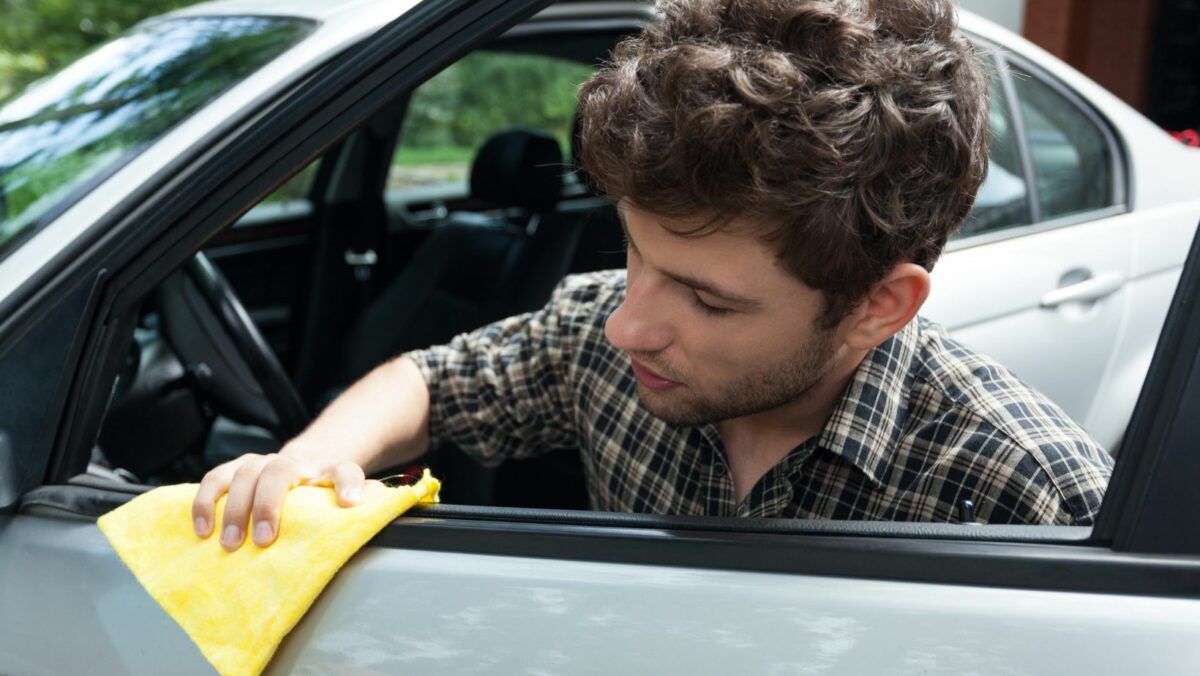
  • Step 01: When you decide to wash your car, choose a spot with plenty of shade. Remember to use a soft and clean cloth to remove all the grime, dust, and dirt.
  • Step 02: Use a gentle automotive cleaner, some water, and a clean cotton cloth to thoroughly clean your car. Never use regular soap or dish detergent to clean the car’s surface.
  • Step 03: Carefully remove bird droppings and hard mud stains. You can use an automotive cleanser or no-salt seltzer to remove the dried bird droppings and an automotive clay bar to remove the mud stains.
  • Step 04: Now, use a water pipe to rinse the vehicle’s exterior. Last but not least, use a clean cotton rag or a microfiber towel to wipe off excess moisture.

4.    Park It Right

Always park in the shade after using your new automobile if you’re looking for effective ways to keep the paint from being damaged. It is, without a doubt, one of the quickest, least expensive, and risk-free ways to protect your car from UV rays, acid rain, and bird droppings. It would be nice to have a separate garage at home, but if you don’t, think about spending money on a temporary auto shelter to prevent the paint from fading. Alternatively, you may get a high-quality car cover to provide your vehicle with the necessary protection.

5.    Polish with Wax

Waxing your car doesn’t only improve the luster of the paint but also makes sure to keep your car in its pristine condition. The polish acts as a protective shield, saving your car from UV rays, bug splatters, and bird droppings. Furthermore, it also reduces the drag force applied to your vehicle, increasing its fuel efficiency.

According to the experts at the car paint shop in Austin, you should apply a coat of wax every six weeks in order to protect the paint and keep it clean. Car wax comes in all kinds of forms, including liquid and solid paste. Some car waxes give your vehicle a great finish, while others are designed to polish and protect the paint in a single go.

Contact Us to Learn More About Protecting Your Paint

Practically speaking, protecting your car’s paint shouldn’t be as difficult as everyone says. When you buy a car, it comes with lots of responsibilities which makes it essential for you to ensure that you put some effort and time every day into keeping the vehicle in its best condition. 

While tips such as washing your car, using a car cover, and parking it in the right spot are mandatory, the rest can be used as per your choice and convenience. As the experts at the car paint shop in Austin advise, “Don’t overburden yourself and always opt for the car paint protection hacks that work for you.”